The Right Team Changes Everything: What Carley Hoover Taught Me About Belonging
Ask any athlete what they want most, and the answer is usually some version of the same thing.
A chance. A roster spot. An opportunity.
For decades, that's exactly what women's professional softball was fighting for. There simply weren't enough places to play. If you wanted to continue your career after college, you didn't spend much time wondering whether a team fit your personality or playing style. You went wherever the opportunity was.
Listening to Carley Hoover talk about the current state of professional softball, I realized that conversation has quietly started to change.
The growth of the game isn't just creating more roster spots; it's creating more places where athletes can belong.
"I've definitely been in environments that aren't for me," Hoover said. "Different environments water you and feed you."
It wasn't a criticism of any one team. If anything, it was an acknowledgment that every athlete experiences environments differently. The same coaching style that helps one player thrive may leave another searching for confidence. A clubhouse that feels energizing to one athlete might not bring out the best in someone else.
For years, professional softball didn't have enough options for that distinction to matter.
Now, it does.
Carley Hoover Became Japan's MVP. Now She's Back for American Softball's New Era
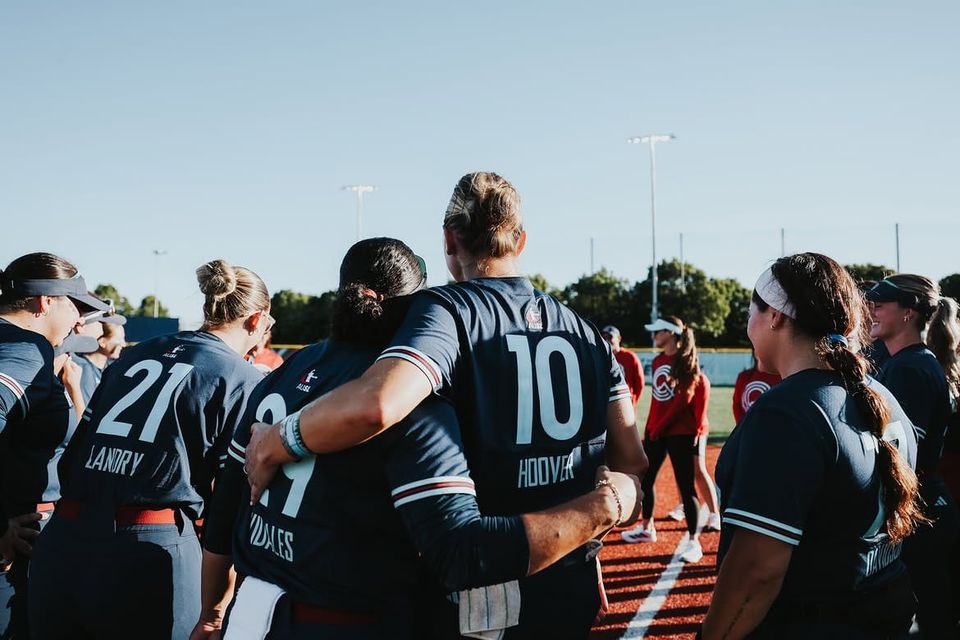
Hoover has spent nearly a decade building a career in Japan, where she reinvented herself season after season. She returned to the United States this summer to join the Cascade after missing most of last year's Athletes Unlimited Softball League season because of injury. Walking into a team halfway through the season isn't easy, especially when chemistry has already been established.
Instead of trying to force herself into the group, she focused on understanding where she fit.
"I'm trying to figure out where I fit in and how I can help us," she said. "I'm trying to fit in where I get in."
There's a humility in that answer that says a lot about great teams.
Belonging isn't automatic.
It takes time to earn trust. It takes self-awareness to understand what you bring to a group, and it takes a healthy culture to make room for different personalities to contribute in different ways.
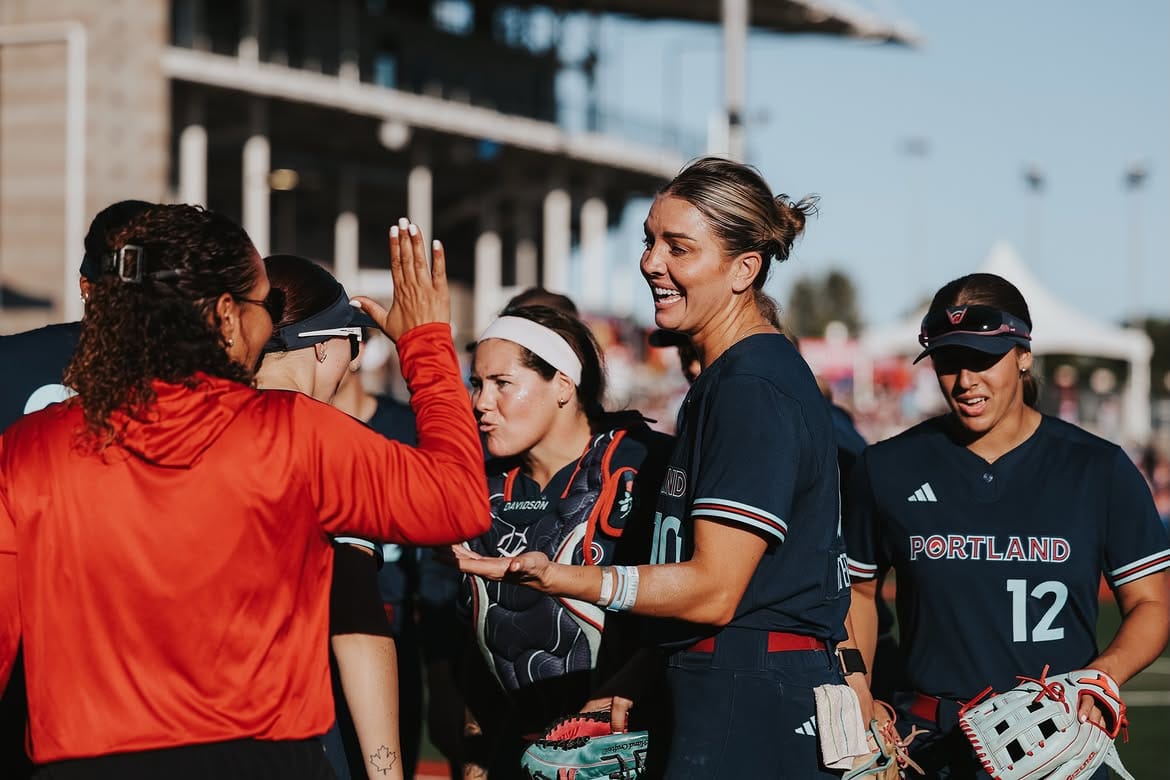
Organizational psychologists have a name for this idea: person-environment fit. Decades of research have shown that people perform better, experience greater job satisfaction and are more likely to stay with an organization when their values, communication styles and working environment align with the culture around them. Success isn't determined solely by talent. It's influenced by whether the environment allows that talent to flourish.
Sports often overlooks that part.
We tend to evaluate athletes in absolutes. A player either worked out or didn't. A coaching hire either succeeded or failed. A free-agent signing was either worth it or it wasn't.
But people aren't products, and teams aren't laboratories.
What struck me most wasn't Hoover's reflection on the environments that hadn't suited her. It was what she said next.
"I think that's cool," she said, talking about the growth of professional softball. "You don't have to be on a team because it's the only team that exists."
That sentence says more about where women's sports is headed than any attendance figure or television rating.
Expansion isn't valuable only because it creates jobs; it's valuable because it creates choice.
For the first time, more athletes can find coaches who communicate the way they learn. They can find organizations that align with their values. They can find teammates who bring out the best in them instead of asking them to become someone they're not.
The goal isn't for every team to feel the same.
It's for every team to be different enough that more athletes have a place where they can thrive.
Later in our conversation, I asked Hoover what she hopes young girls watching today's professional game understand.
Her answer wasn't about making the Olympics or winning championships.
It was about possibility.
"There's a place for everybody," she said. "The bigger this gets, the more opportunities, the more environments, the more places that pop up... You can really be on a team that suits you."
That's a remarkably hopeful way to measure the growth of women's sports.
Not by how many teams exist.
But by how many athletes finally get the chance to find one that feels like home.
Because maybe that's what progress looks like.
Not simply creating more opportunities to play.
Creating more opportunities to belong.