Great Coaches Don't Change Who You Are. They Help You Trust It.
There is a version of great coaching that is easy to recognize. The coach sees something an athlete doesn't, corrects it, and the athlete gets better. Expertise is transferred from one person to another, and development happens because the coach knows what the player needs.
But there is another part of development that's harder to see and probably harder to teach. At some point, the athlete has to know what to do when the coach isn't giving the answer.
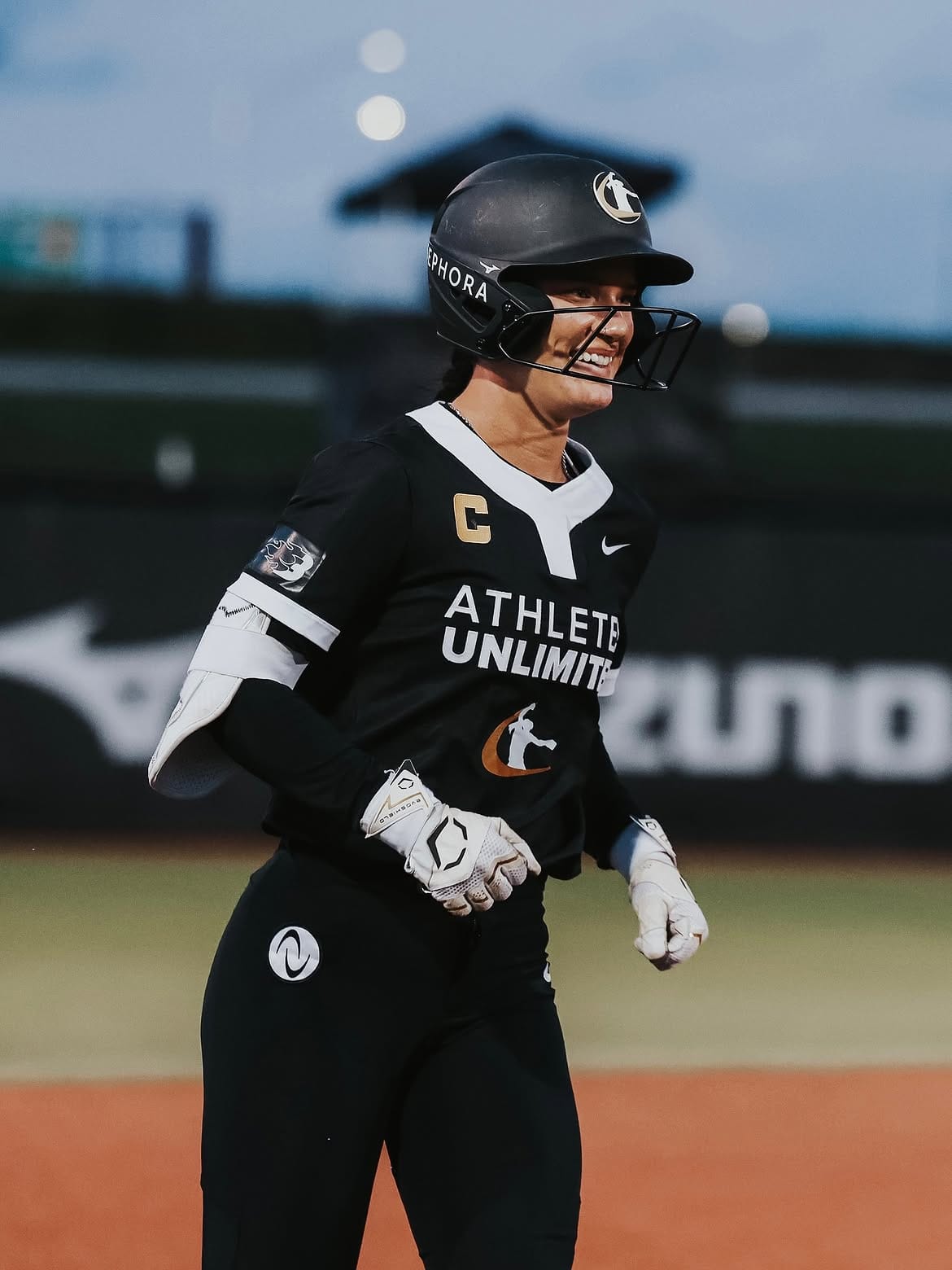
Kayla Kowalik has spent the last few years occupying both sides of that relationship. She's one of the most accomplished players in Kentucky softball history, a professional catcher and member of the USA Softball athlete pool. She also spent two seasons coaching at Texas Tech, where she had the unusual experience of coaching college athletes while still actively competing herself.
When we talked on Out of Left Field, I asked Kowalik where the instinct she plays with comes from. As a catcher, so much of her job requires it. She has to read hitters, understand pitchers, feel the rhythm of an at-bat and make decisions without stopping the game to ask someone what she should do.
Her answer had less to do with how she was taught and more to do with how much freedom she was given to learn.
"I've been put in positions where I've had awesome coaches who have let me be me and let me do me," Kowalik said. "They might steer me one way or steer me another, but they're not turning me around and making me be someone else."
That freedom didn't mean an absence of coaching. Kowalik had coaches offering suggestions, making corrections and pointing her in different directions. The difference was that they weren't making every decision for her.
Over time, she learned to make more of them herself.
Kayla Kowalik Had to Start Over as a Hitter. Then She Rewrote Kentucky's Record Book
You Can't Develop Instinct From a Script
Sports have become extraordinarily good at giving athletes information. Video analysis can identify mechanical flaws that would have been nearly invisible a generation ago. Data can tell a pitcher exactly how a pitch moves, where it plays best and how opposing hitters respond to it. Scouting reports can break down tendencies before an athlete ever steps onto the field.
All of that information can make players better. But information and decision-making aren't the same skill.
Eventually, somebody has to decide what to do with it.
For Kowalik, years of being allowed to make those decisions helped develop something less measurable: trust in her own judgment.
"A lot of that is based in, like, not necessarily what is right or wrong, but what I trust in," she said.
There's research behind the type of coaching Kowalik is describing. Self-Determination Theory has been applied to sports for decades, including the study of what researchers call autonomy-supportive coaching. Rather than removing structure or lowering expectations, autonomy-supportive coaches give athletes meaningful input, acknowledge their perspective and create room for independent decision-making.
A 2026 study of 411 competitive athletes found that perceived autonomy-supportive coaching was positively associated with psychological need satisfaction, autonomous motivation and personal-best performance. The researchers were careful not to claim causation (the study was cross-sectional), but the findings fit a larger body of research connecting autonomy-supportive environments with healthier forms of athlete motivation.
A systematic review of 52 studies similarly found that autonomy-supportive coaching was associated with athletes' satisfaction of needs for autonomy, competence and connection, which in turn related to outcomes including motivation, resilience, life satisfaction and positive affect. More controlling coaching environments were associated with the opposite pattern.
None of that suggests athletes should coach themselves.
It suggests the relationship can accomplish more than transferring knowledge.
A coach can also teach an athlete how to trust what she knows.
Then the Player Became the Coach
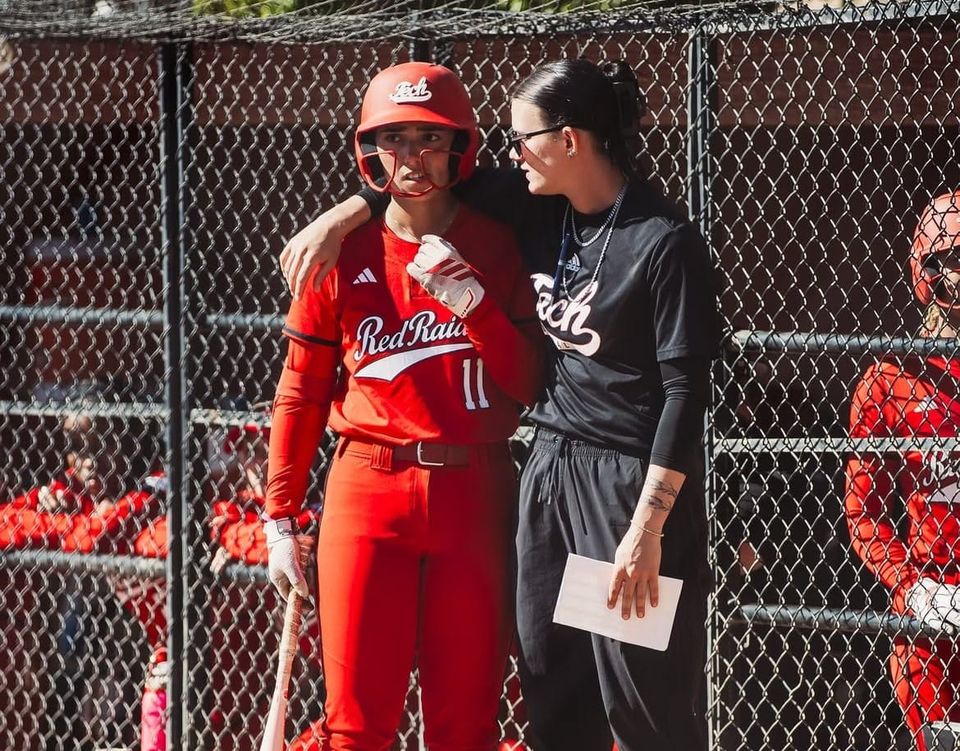
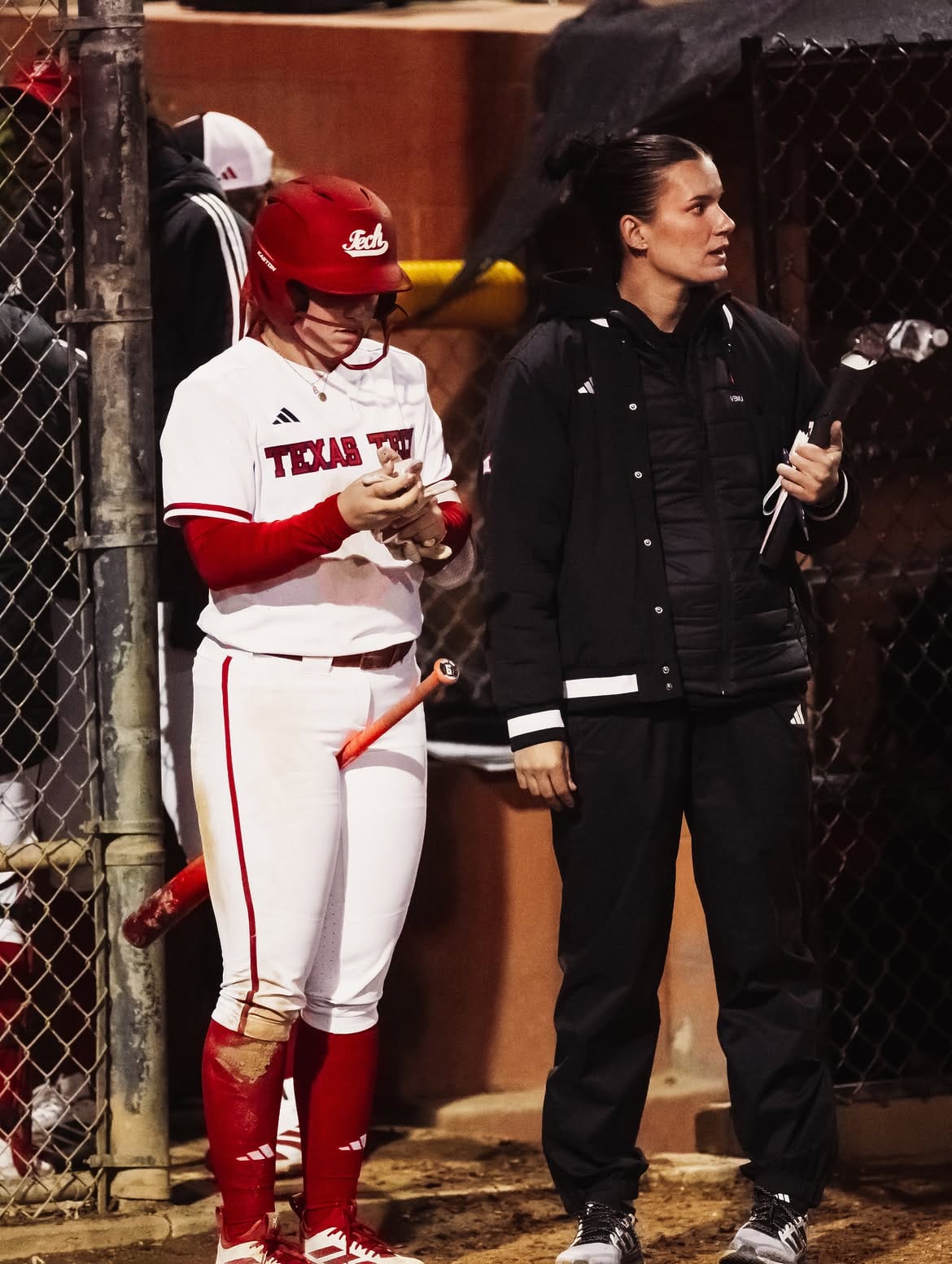
Kowalik's two seasons coaching alongside Gerry Glasco at Texas Tech gave her a chance to experience that relationship from the other direction.
She joked that she became the team's "emotional support coach." Being close enough to her own playing career to understand exactly what the athletes were experiencing gave her an unusual position. She could acknowledge when something was difficult without using that acknowledgment as an excuse to avoid it.
"If they needed to complain about something, I'm like, 'Yeah girl, it sucks, but you gotta go do it,'" she said.
She also did something that says quite a bit about how she viewed the job: she tried the drills herself.
Kowalik would stay after practice and work through the same hitting exercises Texas Tech's players had been asked to complete. Sometimes, she discovered the athletes were better at them than she was. She told me about one sequence drill that gave her so much trouble Glasco eventually stepped in to help her.
It's funny, but it's also a useful picture of coaching without ego.
Being the coach didn't require Kowalik to demonstrate that she could do everything better than the athletes she was coaching. Her value was in helping them learn, while remaining willing to learn herself.
That became especially apparent watching Glasco manage games.
Kowalik described her own playing style as instinctive, particularly when calling pitches. She noticed something similar in the way Glasco coached.
"He coaches on a hunch," she said. "Nobody in their right mind would have ever thought to do that. Like base running, sending someone, doing all these things. And he's just like, 'I'm gonna do it.'"
Those decisions can look spontaneous from the outside, but instinct at an elite level rarely appears from nowhere. It's usually the accumulated result of years of seeing situations, making choices, getting some wrong, adjusting and seeing them again.
Players need opportunities to build that library too.
Player Development Should Eventually Create Independence
This is where Kowalik's experience raises an interesting question about what we mean when we talk about player development.
The most visible evidence is physical. A hitter adds power. A pitcher gains velocity. A catcher improves her pop time. Those things can be tested and tracked, which makes progress relatively easy to identify.
Decision-making is different.
How do you measure whether an athlete sees the game better than she did a year ago? How do you quantify confidence in a pitch call, the ability to make an adjustment without immediately looking toward the dugout or the judgment to abandon a scouting report when the game in front of you is telling you something different?
Those skills matter precisely because coaches can't make every decision.
The higher an athlete climbs, the faster the game becomes and the more important her own judgment is.
That's why autonomy and accountability shouldn't be treated as opposites. Giving athletes ownership doesn't mean abandoning standards. Research on autonomy-supportive coaching describes environments that still include instruction and expectations; the difference is that athletes have room to understand the reasoning, contribute to decisions and eventually take greater ownership of their development.
Kowalik experienced that as a player long before she had a name for it.
Her coaches didn't stop coaching her. They gave her enough direction to grow and enough freedom to figure out what kind of player she was.
"I've gotten to where I am because I'm Kayla, and I've gotten to where I am because I do what I do," she said.
There's an important difference between developing an athlete who can execute instructions and developing one who understands the game well enough to know when those instructions need to change.
The first requires a good teacher.
The second requires a teacher willing to gradually hand over some control.
Kowalik's career has given her the chance to experience both sides of that process, first as the catcher trusted to feel her way through a game and then as the coach learning when to step in and when to let someone else figure it out.
Maybe that's one of the better ways to judge player development. Not only by what an athlete can do while a coach is standing beside her, but by the decisions she is capable of making when they're not.
Great coaches give athletes answers.
The best ones also prepare them for the day they don't need to ask.