The economic landscape of MLB’s Fall Classic
The Dodgers have shown baseball what one version of a modern winning machine looks like. Spend aggressively on elite talent, build a minor-league system deep enough to withstand injuries and make blockbuster trades. Compete in October (or just win the Fall Classic), and then do it again. To put some numbers behind it, MLB reported that Los Angeles spent $515 million on 2025 player payroll and competitive-balance tax combined—more than the bottom six clubs spent on payroll combined. Which brings us to this World Series.
The Milwaukee Brewers lead the Tampa Bay Rays 2–0 entering Game 3 tonight and neither franchise has won a World Series. Both built contenders through scouting, development, trades and finding overlooked value and one is about to discover something that can reshape a franchise beyond the final out: the economics of a first championship.
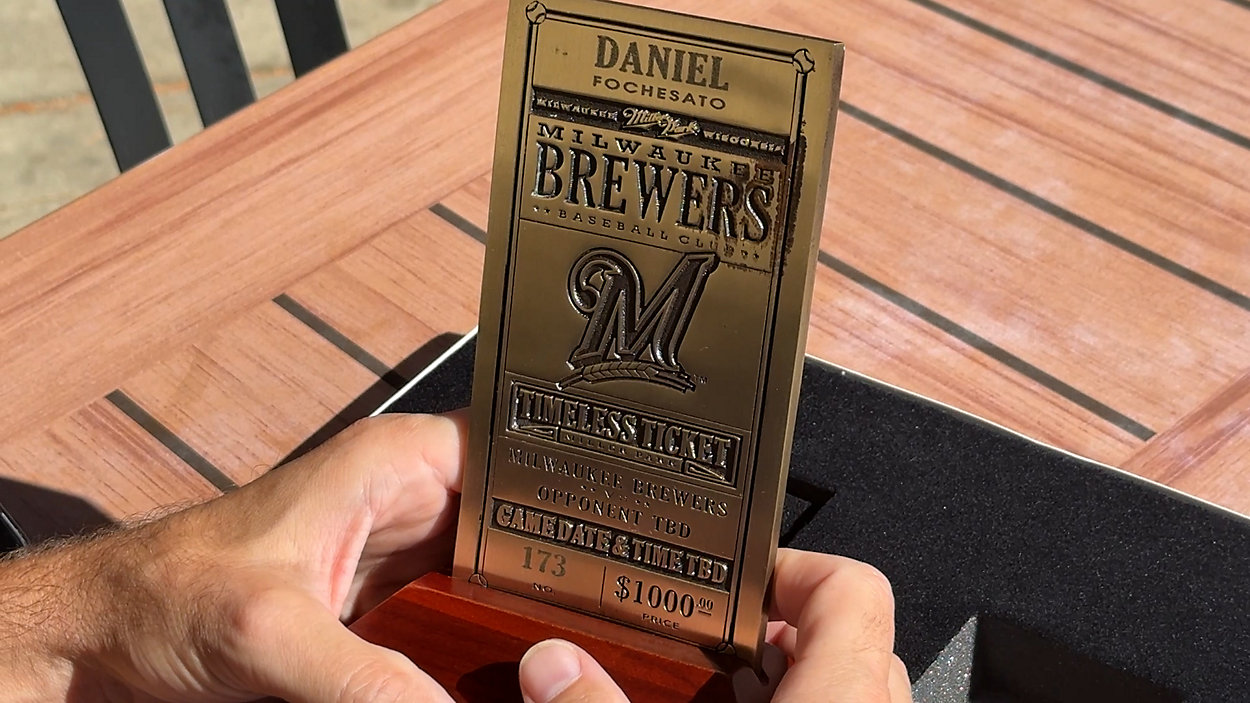
When a team that has never won a World Series, finally gets there, a ticket becomes more than just a seat (just ask any of the Brewers’ fans who bought Milwaukee’s 2015 “Timeless Ticket” promotion). A hat becomes a keepsake. Concessions, parking and merchandise demand grow, and championship jerseys and memorabilia can sell for decades. But the entire profit of a championship T-shirt doesn't always reach the team's bank account.
So, who gets paid in October?
As players, we never negotiated a new contracts once October rolled around, just like we never get paid in the off-season. Major League salaries cover the regular season from Opening Day to the last game — which means the postseason has its own reward system, and there's something pretty cool about it.
Under Article X of the 2022–26 agreement, 60% of gate receipts from the first four World Series games, first four League Championship Series games, first three Division Series games and first two Wild Card Series games fund a league-wide players' pool, with specified Wild Card travel deductions.
Here's the nuance: Games 1–4 don't belong entirely to players, nor do Games 5–7 entirely belong to owners. Only that specified slice of early-game receipts enters the pool. Later games can benefit clubs without increasing it. Of that shared pool, the champions receive 36%, the runners-up 24%, the two Championship Series losers split 24%, Division Series losers split 13%, and Wild Card losers 3%.
Then comes a decision that TV rarely shows and the media doesn’t always cover: a clubhouse vote. Players decide who receives full shares, partial shares or cash awards. The manager can weigh in, but most importantly, the front office can't dictate the outcome. It's how people who help carry a team through 162 games share in October's success and where a lot of the silent heroes get rewarded.
Consider the scale. MLB's 2025 players' pool was nearly $128.2 million. The champion Dodgers awarded 82 full shares, 12.5 partial shares and $340,000 in cash awards. Each full share was $484,747.57. Milwaukee's NLCS run produced full shares of $168,852.75. Those are meaningful checks for people whose work happens away from the spotlight, and can really make a difference in the offseason when income stops.
Money goes deeper than just players and teams
Now let’s zoom out past the ballpark. An October run can change a city's financial plans, quickly. Visit Milwaukee estimates each Brewers postseason home game generated $5.1 million in local economic impact and projects $10 million–$12 million per World Series home game — while St. Petersburg’s local chamber has cited $4 million–$7 million per postseason home game. While these are just regional estimates, you can imagine what jam-packed October nights mean for a restaurant owner during a normal quieter week without World Series baseball, right?
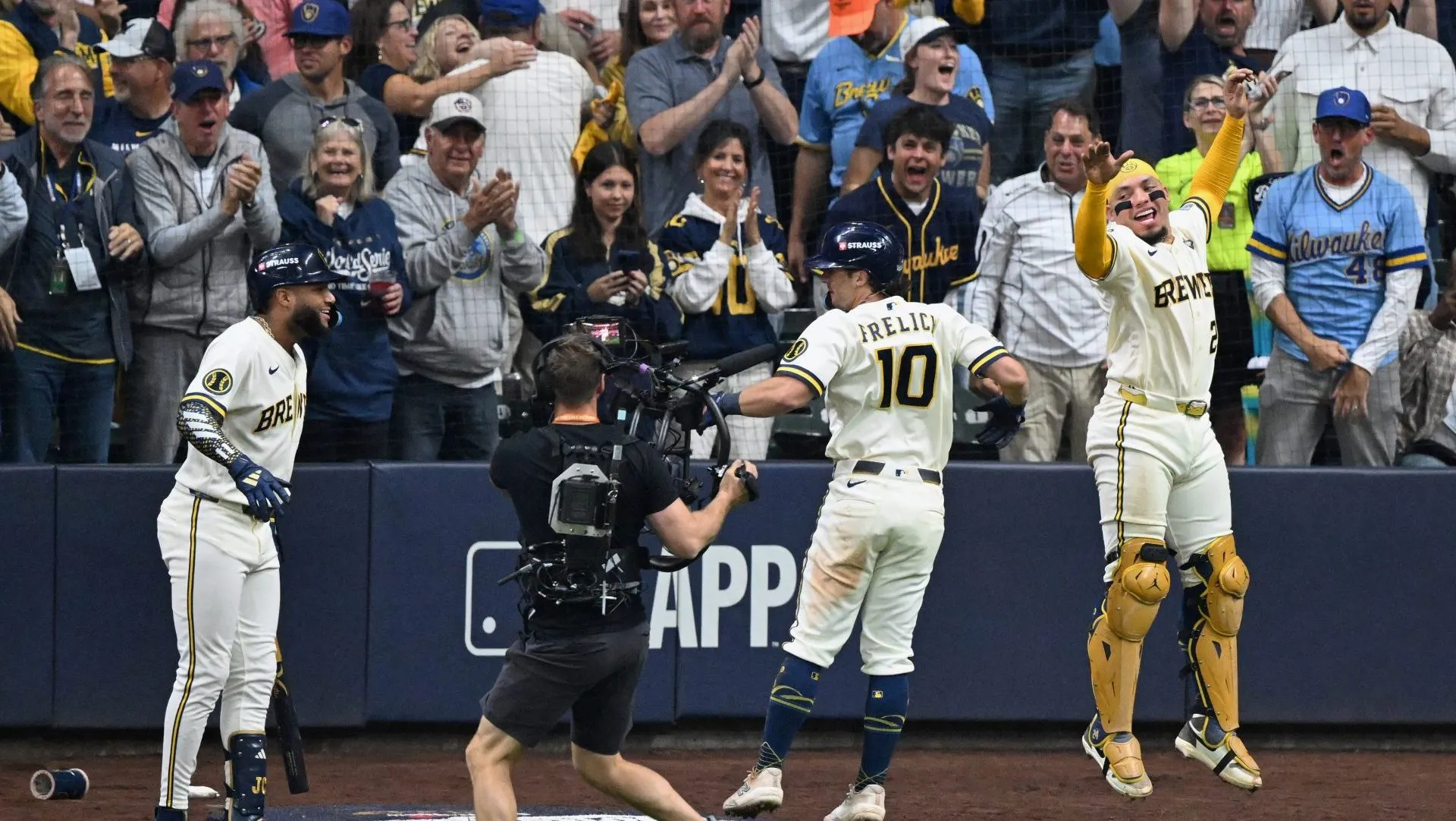
And the most interesting return may arrive after the parade. A first championship can turn occasional viewers into lifelong fans, strengthen season-ticket demand, open new sponsorship conversations and give a team a story that outlives the roster that created it.
When the Dodgers won in 2024, their championship gear set a Fanatics record for first-day sales after any championship in any sport, and after the Cubs ended their 108-year drought in 2016, they raised average season-ticket prices 19.5% the following year. Those effects can compound, if you do things right. They can also fade if a club fails to invest in the relationships or fails build another contender or winning tradition.
As a former player and business owner, I keep coming back to the same thought: winning creates an opportunity, but an organization still has to convert it into lasting value.
The Dodgers have built a model for sustaining success at enormous scale but Milwaukee and Tampa Bay have taken different paths to the same stage. Whoever wins this week won't just make franchise history — they'll inherit a rare chance to turn one October into an economic advantage that lasts for years.