Learning to Love the Game When Nobody's Watching
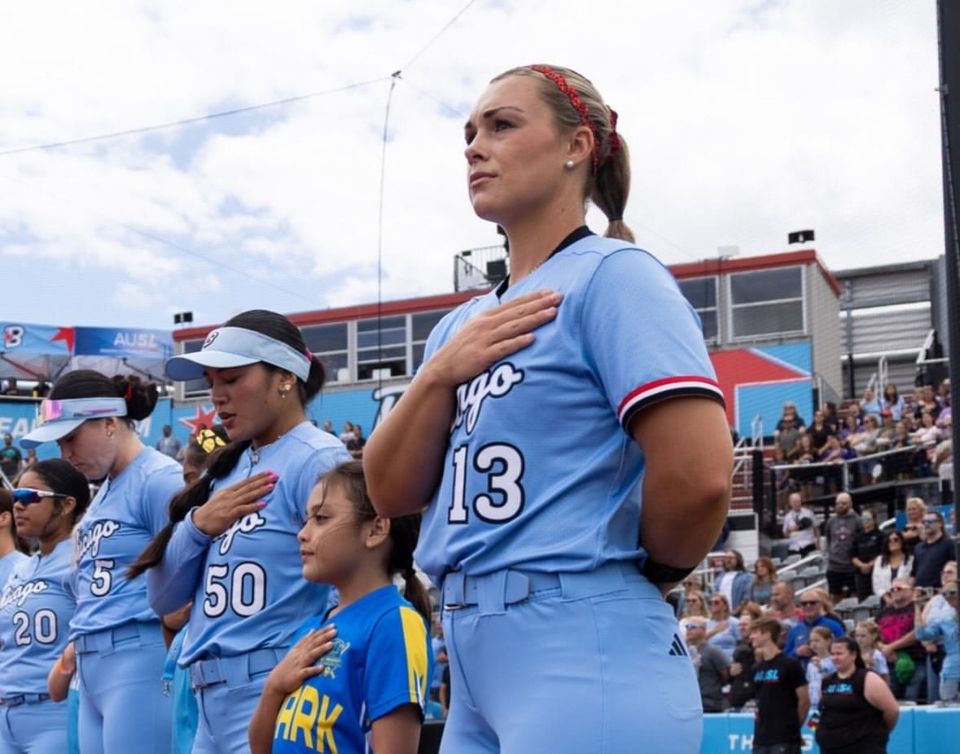
When Amber Fiser got the call to join the AUSL in May, it looked like one of those stories sports fans love.
A former Athletes Unlimited player gets another opportunity. She joins the Bandits as a reserve replacement, earns an Opening Day start, competes in the championship and is voted to participate in the AUSL All-Star Cup. Just like that, she's back on ESPN.
It's easy to tell that story because it's clean.
What's harder to tell is everything that happened between her last nationally televised game and this season.
Amber Fiser Spent 5 Years in Indy Ball...One Phone Call Changed Everything
For the past five years, Fiser pitched in independent professional softball. The games didn't have the same reach. The attention wasn't the same. There weren't television cameras following every outing or social media clips circulating after every appearance.
For a lot of athletes, that's where frustration sets in.
For Fiser, it's where something unexpected happened.
"I've learned to embrace my private life," she said. "No one's really paying attention... and I've learned to embrace that."
That answer stood out because it feels almost backwards.
We spend so much time talking about getting athletes to the biggest stage that we rarely ask what happens once the spotlight disappears. The assumption is usually that less visibility means less fulfillment.
Fiser's experience suggests the opposite can also be true.
During those five years, she kept training. She kept coaching. She kept chasing opportunities, even though there was no guarantee another one would come. Somewhere along the way, the reason she played softball shifted.
"I just learned how to love the game in a different way," she said.
Sports psychologists have been studying that shift for decades. Self-Determination Theory, developed by psychologists Edward Deci and Richard Ryan, argues that the most sustainable motivation comes from within. While external rewards like recognition, money and status can be powerful, they're rarely enough to sustain long-term satisfaction. Athletes who stay motivated over time tend to be driven by mastery, purpose and enjoyment of the work itself – not just the rewards that come with it.
That's easy to say. It's much harder to live.
College athletes today have more exposure than ever before. Games are streamed nationally. NIL has created new financial opportunities. Social media allows athletes to build personal brands while they're still in school. None of those developments are inherently bad; they've opened doors that didn't exist a decade ago.
But they also create a subtle pressure to measure progress by visibility.
More followers. More views. More attention. More recognition.
Fiser's career took a different path. Instead of chasing the next camera, she spent years playing because she still loved competing.
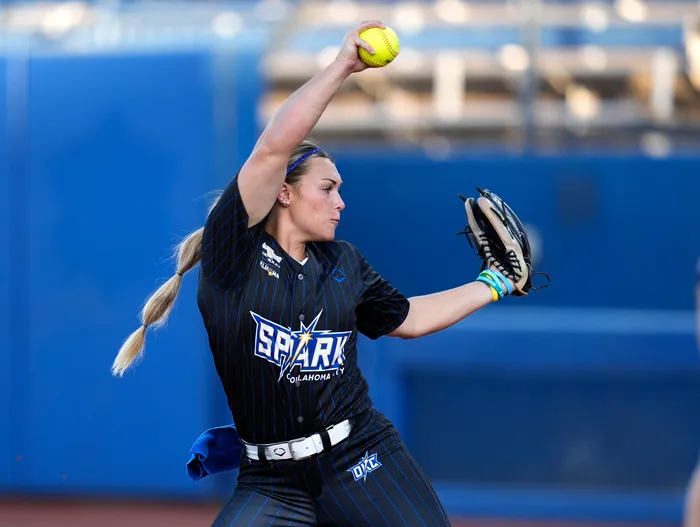
When I asked what kept her going through those seasons, she didn't mention proving people wrong. She didn't talk about chasing another contract.
She talked about rediscovering the game.
That's a perspective that only comes from someone who's experienced both sides of professional sports.
Later in the conversation, Fiser reflected on what she learned from that quieter chapter of her career.
"The real people that want to continue to show up for you are going to check in," she said. "I've learned to embrace my private life and knowing that not everyone has to know what's going on in your life at all times."
That's not just advice for athletes. It's a reminder that success has a way of changing what—and who—we pay attention to.
Professional sports naturally celebrate the comeback. The roster announcement. The complete game. The television broadcast.
Those moments deserve to be celebrated.
But Fiser's story suggests they aren't always the moments that shape an athlete the most.
Sometimes the most important years are the ones where nobody is asking for interviews. The years where there isn't a camera waiting after the game. The years where the only reason to keep showing up is because you still love what you're doing.
By the time the AUSL called this spring, Fiser wasn't trying to rediscover her confidence. She had already spent five years building it.
The opportunity didn't change who she was.
It simply gave more people the chance to see it.