What If Preventive Care Became Part of Player Development?
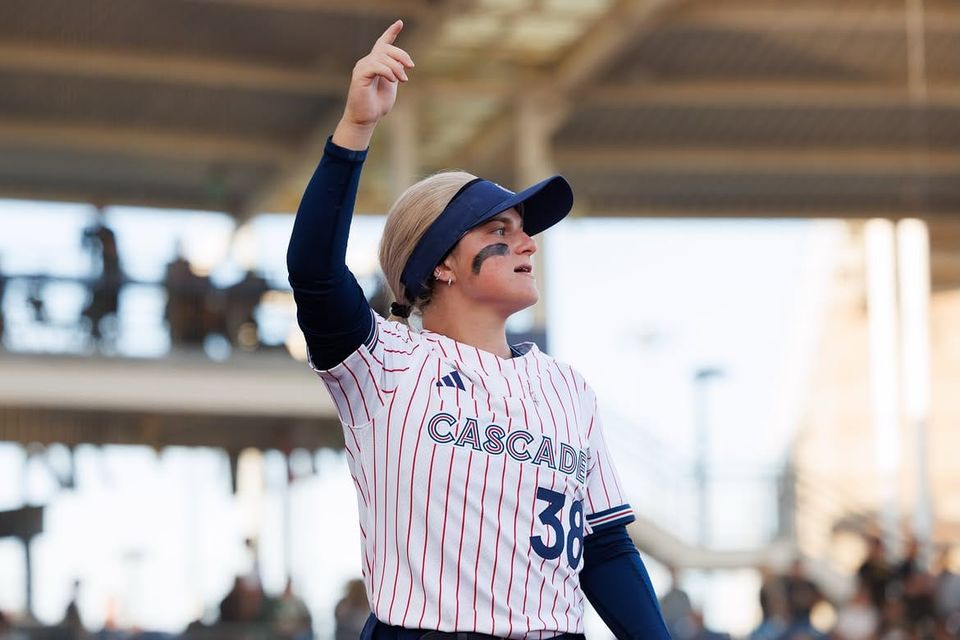
College athletics has never been more sophisticated.
Strength coaches track force plates and sprint speeds. Nutritionists build individualized fueling plans. Sports psychologists help athletes develop mental resilience. Athletic trainers monitor workloads to reduce injury risk before it becomes an injury.
Player development has evolved into a science.
But Paige Sinicki's story raises an uncomfortable question:
What if we're still leaving one of the most important parts of athlete development out of the conversation?
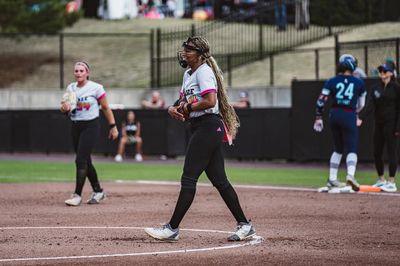
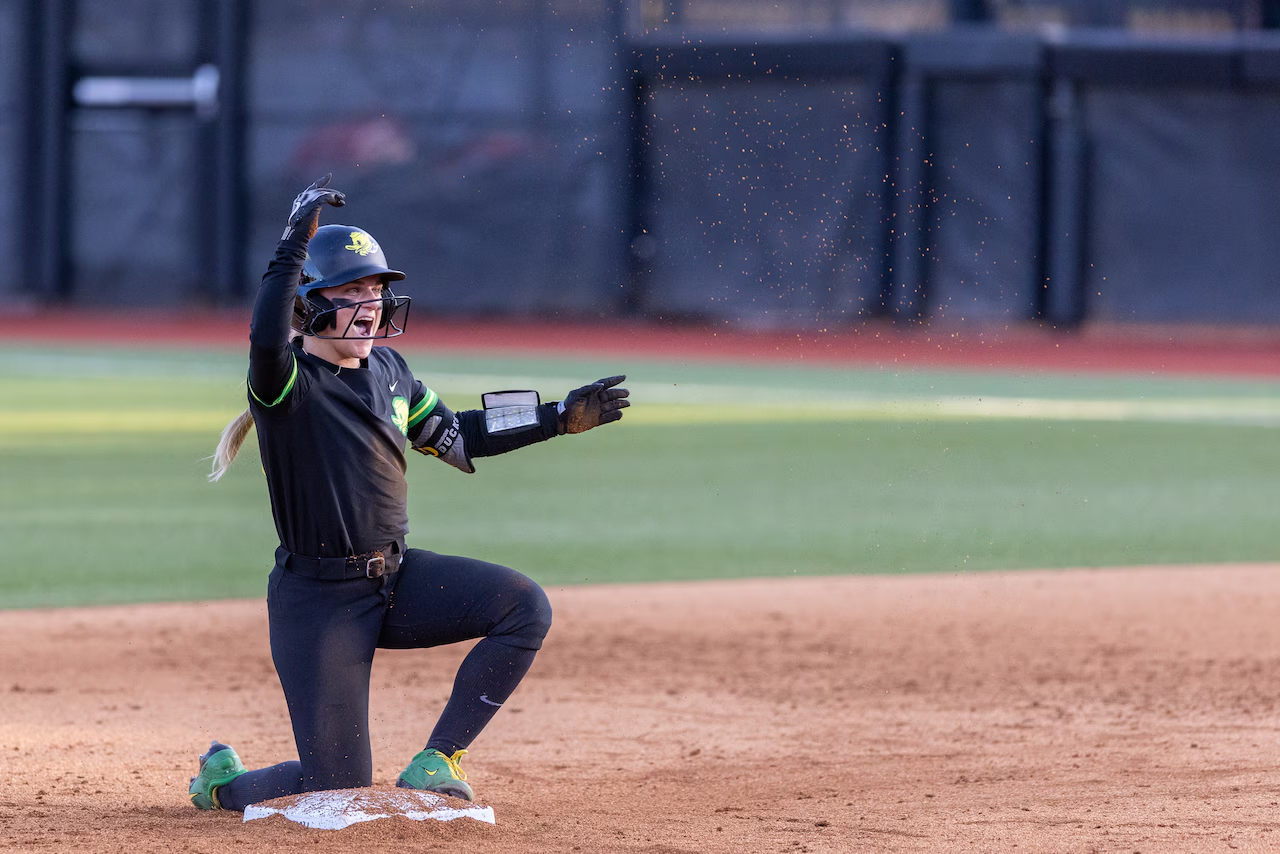
Sinicki won a Big Ten championship, became the first Gold Glove winner in Oregon softball history and continued performing at an elite level while unknowingly living with breast cancer.
"I probably played all last year with breast cancer," she said. "I probably just had no idea. I felt great. Nothing felt off."
That's more than a remarkable personal story.
It's a reminder that performance and health are not always the same thing.
Paige Sinicki Beat Cancer the Same Way She Plays: One for One
Elite Athletes Aren't Immune
There is an assumption that quietly exists throughout sports.
If an athlete is performing, they must be healthy.
It's understandable.
Elite athletes are surrounded by athletic trainers, physicians, strength staffs and sports scientists. They complete physicals before seasons, undergo orthopedic evaluations, track recovery metrics and spend countless hours optimizing performance.
Yet many of those systems are designed to answer one question:
Can this athlete compete?
They're not always designed to answer another:
Is this athlete well?
The NCAA's required pre-participation physical evaluation already includes screening for issues such as cardiovascular history, orthopedic concerns and, for female athletes, questions related to menstrual health and the Female Athlete Triad because those factors can influence both health and performance. (PMC)
Women's sports has made tremendous progress in recognizing that athlete health extends beyond injuries.
But Sinicki believes there's another conversation worth having.
From Survivor to Builder
Rather than viewing breast cancer as the end of her athletic story, Sinicki has turned it into the beginning of a different mission.
During her appearance on Out of Left Field, she announced that she and her family are launching ONE4ONE, a foundation centered on breast health education, support and awareness.
"I want to continue to share my story... advocate and educate people on how to find lumps and breast cancer," she said.
Then she offered an idea that reaches far beyond her own experience.
"Just how we do screenings for getting into college athletics, I think I want to be able to create an environment where maybe these young female athletes can also get screened... or just have that sense of education whether they have family history or not."
Her reason is simple.
"I had nothing. No family history. I was healthy."
That last sentence is the kicker.
Not because it means every athlete needs the same medical testing. But because it reminds us that health education shouldn't depend solely on whether someone appears to be at risk.
Prevention Isn't One-Size-Fits-All
Current medical guidelines generally recommend routine mammography beginning around age 40 for women at average risk, while women at higher risk may begin earlier with additional imaging based on individualized medical guidance. For younger women like most college athletes, organizations increasingly emphasize knowing your personal risk factors, being familiar with your own body, reporting changes promptly and having ongoing conversations with healthcare providers rather than routine imaging for everyone. (PubMed)
That distinction is important.
Preventive care doesn't always mean more tests. Sometimes it means more education. more awareness, more conversations.
More athletes who know what changes are worth mentioning instead of assuming they're too young, too healthy or too athletic for something serious to happen.
That's where ONE4ONE has an opportunity to create real impact.
Redefining Player Development
For years, player development has focused on maximizing athletic potential.
How do we throw harder? Recover faster? Move better? Stay available?
Those questions are important ones, but perhaps the next evolution of player development isn't simply creating better athletes.
It's creating healthier people.
The lessons athletes carry from college don't end when eligibility expires. Neither should the conversations about their health.
If sports can teach nutrition, mental performance, sleep, recovery and injury prevention, there's room to teach young women to advocate for their own health as well.
That's not mission drift; it's player development in its fullest sense.
A Bigger Legacy
Sinicki's comeback will always be inspiring.
But it may not be her most important contribution to the game.
Championships eventually become history, but foundations change futures.
If ONE4ONE succeeds, its legacy won't be measured by wins or awards. It will be measured by conversations started, young women empowered and lives potentially changed through earlier awareness and education.
That's a different kind of player development.
And it might be one of the most important investments women's sports can make.