The People Growing Women’s Sports Aren’t All Wearing Uniforms
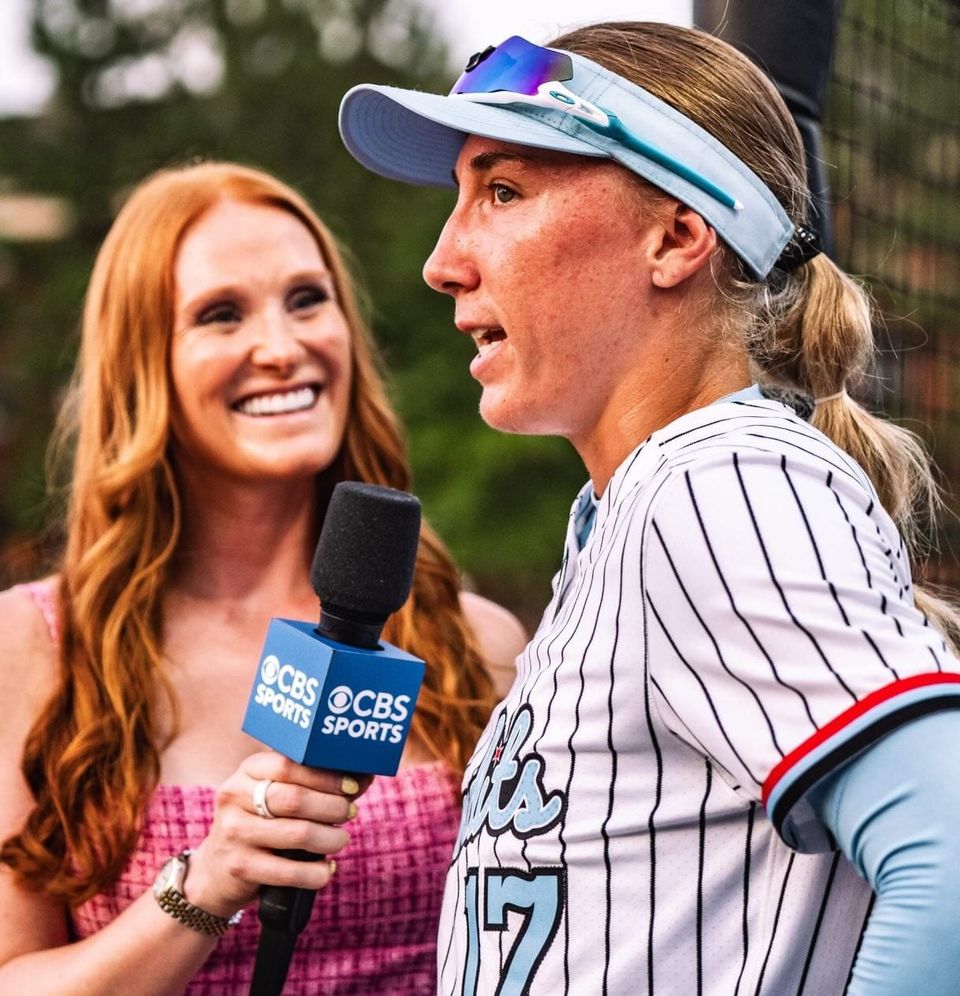
When we talk about who is growing women’s sports, we usually start with the athletes.
We should. They are the product, the personalities and the reason anyone shows up in the first place. The rapid growth happening across women’s sports would be impossible without generations of athletes who kept competing through eras when the infrastructure, investment and attention around them rarely matched the level of play.
But Sydney Suplee made a point during our Out of Left Field conversation that widened that definition for me.
We had been talking about walking into the AUSL Awards the night before. It was the kind of room that can trigger an immediate internal inventory of who belongs there: professional athletes, coaches, league executives, broadcasters, media members and creators, all occupying the same space.
Suplee's perspective was much simpler.
“Whether you're the starting pitcher on the mound that day, whether you're the DP or whether you're on the bench or whether you're on the media side, like we all have this mission to move the needle and to grow our sport,” she said. “When you strip the titles away, we're all the same.”
Then she described it another way.
“We're on the same mission and all have different places at the table, but the table is big enough for everybody.”
That idea feels particularly relevant to women's sports right now because growth is creating an economy around the athlete that is becoming nearly as important as what happens around her on the field.
Professional leagues need players. They also need broadcasters who make those players familiar, reporters who establish credibility, photographers who create the images fans remember, social teams that turn moments into culture, independent creators who reach audiences traditional media may not, brands willing to invest and storytellers who give people a reason to care when there isn't a game happening.
The people growing women's sports aren't all wearing uniforms anymore.
And that is a sign of progress.
Sydney Supple Committed at 13, Built a $100K Field & Found Her Voice in a Room Full of Men
A Sport Becomes an Industry When Jobs Begin Appearing Around the Game
For most of women's sports history, simply creating enough opportunities for women to play at an elite level was the fight.
That remains important, but a mature sports industry creates significantly more than roster spots.
Think about the economic machinery surrounding established men's leagues. An NFL game employs far more people than the athletes standing on the field. There are broadcast crews, beat reporters, producers, camera operators, social strategists, photographers, marketing teams, agents, sales departments, venue employees, data companies, sponsors and an enormous creator economy discussing what happened before and after the broadcast ends.
That surrounding infrastructure helps turn games into an industry.
Women's sports is increasingly developing one of its own.
In April 2026, Deloitte Global projected that global revenues in women's elite sports will reach at least $3 billion this year, up from $2.4 billion in 2025 and representing a projected 340% increase since 2022. Commercial revenue (including sponsorships, partnerships and merchandising) is expected to account for $1.4 billion, or 45% of the total. Matchday revenue is projected to reach $911 million, while broadcast revenue is expected to climb to $765 million.
Those numbers matter beyond proving that people will spend money on women's sports. They represent an industry becoming larger and more complex. Deloitte points specifically to continued investment in infrastructure and professionalization as part of the market's next stage of development, with North America alone expected to generate roughly $1.6 billion in women's sports revenue in 2026.
As more money, leagues, teams and audiences enter the ecosystem, the opportunity expands beyond the athletes competing on the field. Someone has to broadcast the games, sell the partnerships, produce the content, photograph the moments, build the brands and tell the stories that give fans a reason to come back.
That's where someone like Suplee becomes an interesting case study.
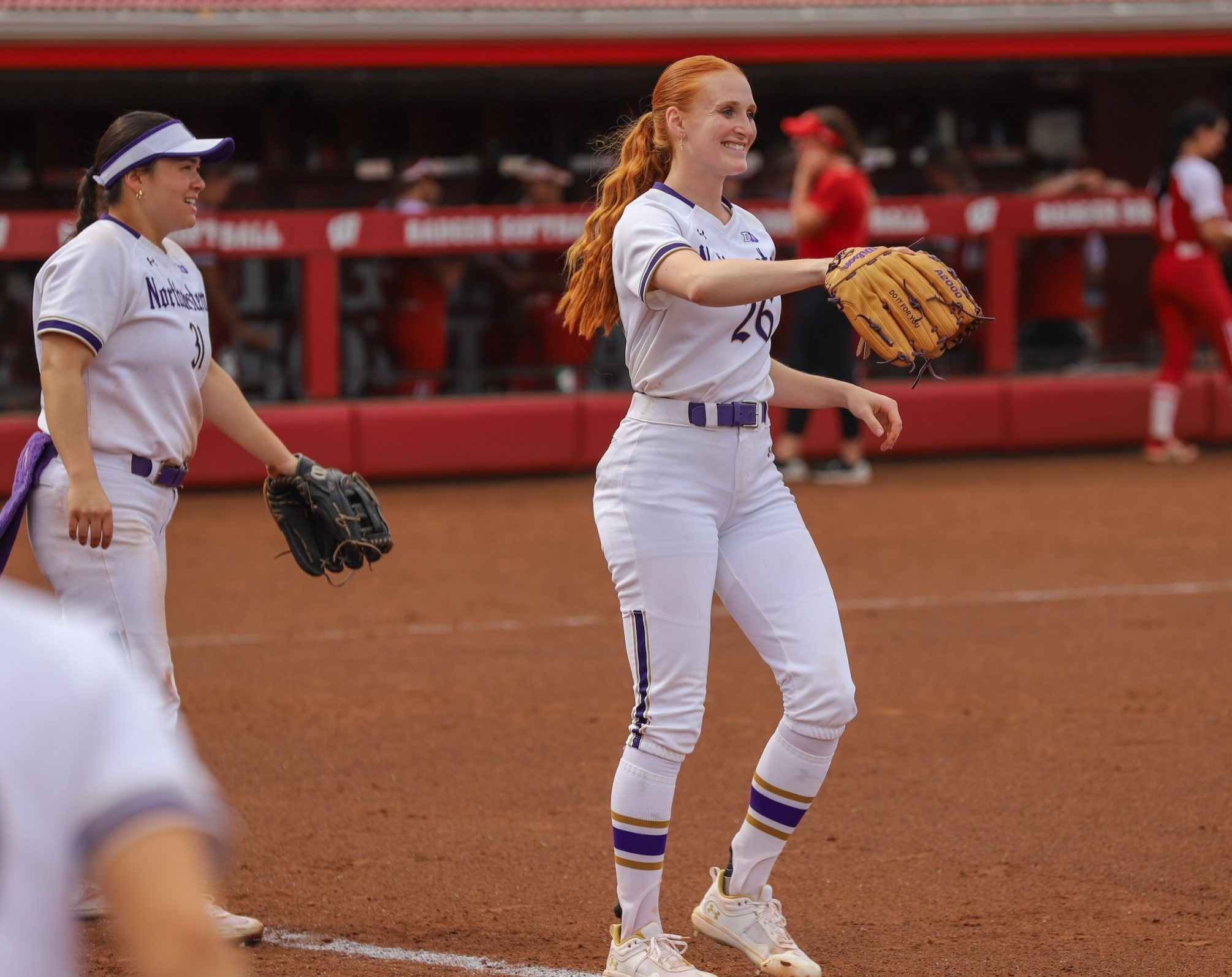
She once occupied the center of the product as a pitcher at Northwestern. Now she's part of the infrastructure being built around it.
Athletes Need People Who Make Audiences Care About Them
Suplee started thinking about this before she had a media career.
While playing at Northwestern, she created a blog that took fans behind the scenes of the program. She wrote about messages from coaches, things happening during practice and the smaller stories that helped explain why the team eventually performed the way it did.
Her reasoning was remarkably similar to the strategy sports properties are now trying to execute at scale.
“So often, the only storylines you read are the person who went three for three or the winning pitcher that day,” Suplee said.
Those performances matter, but they aren't necessarily what creates emotional investment.
Suplee understood that intuitively because she was a fan herself.
She described consuming sports constantly—not only softball, but football, baseball and the personalities surrounding them. What makes her care more deeply about a game isn't simply knowing the statistics. It's knowing the people.
“I love understanding the players,” she said. “When I turn on NFL or I turn on softball or I turn on MLB, it's like I'm so bought in because I know about the stories about them overcoming the injury or them getting married in the offseason.”
Her conclusion is a useful one for any sports property trying to turn awareness into fandom:
“When I care about the person, I now care about the team.”
That connection doesn't happen automatically.
Someone has to tell the story.
Distribution Created Space for More Storytellers
For decades, the number of people who could meaningfully participate in sports media was constrained by distribution.
There were only so many newspaper pages, television windows and credentialed jobs available. If a story wasn't selected by one of those gatekeepers, there were relatively few ways for it to reach a significant audience.
Social platforms changed that equation.
A league can tell its own stories. An athlete can build a direct relationship with fans. An independent creator can cover a sport without waiting for a television network to assign her to it. A broadcaster can build an audience between games rather than disappearing when the telecast ends.
That fragmentation can create tension between traditional media and creator media, particularly around access and standards. But women's sports has an unusual opportunity because much of its modern media ecosystem is being constructed while the sports themselves are experiencing rapid commercial growth.
The question doesn't necessarily have to be which group deserves the seat.
It can be what each group contributes once they're sitting there.
Traditional journalists provide reporting and accountability. Broadcasters make games accessible and understandable. Team and league media can offer proximity traditional outlets cannot. Independent creators can experiment with formats, personalities and stories that may never fit inside a conventional broadcast.
They don't perform identical jobs, and they shouldn't.
But they can increase the number of ways a fan encounters the sport.
Suplee sees those roles as complementary rather than competitive.
“We all have this mission to move the needle and to grow our sport,” she said.
The Media Side Is Part of the Product
There is a tendency to think of sports media as something that documents the product after it already exists.
That understates its role.
A game can happen without anyone covering it. A sports business can't scale particularly far that way.
Media creates discoverability. It creates recurring narratives that make one game matter because of what happened in the previous one. It gives athletes identities beyond numbers on a roster. It creates highlights that travel farther than the live broadcast and interviews that keep a league relevant between games.
In emerging sports, that work can be especially valuable because familiarity is still being built.
Suplee understands the dynamic from both sides.
As an athlete, she knew there were teammates whose contributions mattered enormously inside the program even though those contributions rarely became the story outside it. As a media professional, she now has the ability to identify and tell those stories herself.
Her playing career gives her another advantage: she knows the people on the other side of the microphone aren't fundamentally different from the person holding it.
“I think in doing so many interviews, talking to so many players, you quickly realize that they're just like you and that they want to be treated just like you,” she said.
That sounds simple, but it matters in an era when athlete access itself can become content.
The best coverage doesn't require turning every player into a character or every interaction into a viral moment. It requires understanding that building an audience around a sport and respecting the people who make that sport possible are not competing goals.
Done well, one strengthens the other.
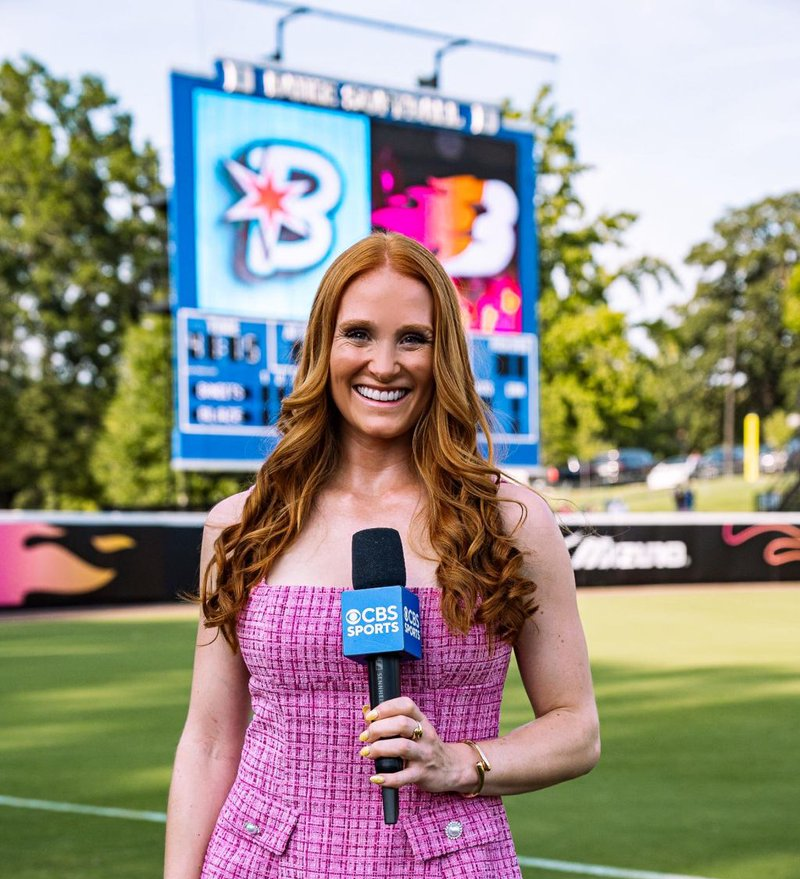
Growth Creates More Seats at the Table
The most exciting thing about the current moment in women's sports may be that success is beginning to create careers for people who never appear on a roster.
A girl can grow up loving softball and become a professional softball player.
She can also become a broadcaster. A photographer. A reporter. A social producer. A marketer. A videographer. A creator. An executive. A founder.
The growth of women's sports should eventually be measured partly by how many different ways someone can build a life around them.
That's what established sports ecosystems do. They turn fandom and participation into industries capable of supporting thousands of careers beyond the athletes themselves.
Suplee's own trajectory reflects that possibility. Softball gave her one career as a player and helped create another as a storyteller. Her athletic experience didn't disappear when she stepped off the field; it became part of what she could contribute from somewhere else.
And she doesn't see that somewhere else as outside the game.
That may be the larger point.
Growing women's sports isn't a job reserved for the athletes playing them, nor should the responsibility fall entirely on their shoulders. Sustainable growth requires an ecosystem: people who play the games, people who invest in them, people who operate the leagues and people who make audiences care enough to return.
Everyone has a different role.
But as Suplee put it, the table is big enough for everybody.
The bigger women's sports become, the more seats that table should create.