At the Top of Her Game, Sydney Romero Is Still a Student of It
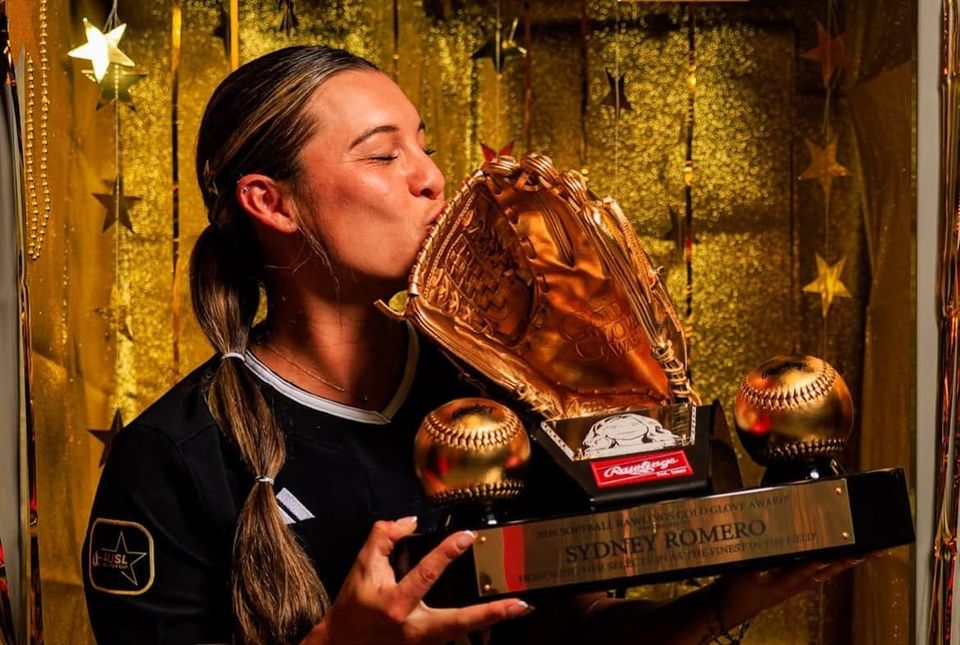
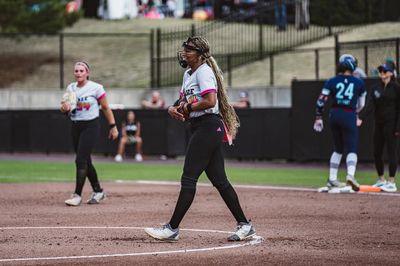
Sydney Romero doesn't field a ground ball according to a perfect template.
She knows there are plays someone could watch back and suggest she should have approached differently. Sometimes she overruns a ball. Sometimes her feet keep moving when another infielder might sit back. She's aware of it because after this many years playing the position, Romero understands not only what she's good at, but how her own body works.
“I do take pride in my footwork,” Romero said. “But there's some times where I overrun balls and I'm like, well, my feet just keep moving, so I'm just gonna keep them moving. Whereas maybe some other people can, you know, sit back on that, but just with how my body moves and how I feel that I do things a little bit differently.”
It worked well enough this season to make history.
Romero became the first Rawlings Gold Glove Award winner in AUSL history, an honor she had quietly hoped might be possible since spring training, when her sister Sierra Romero predicted she would win it.
For an athlete who also coaches Division I softball, an award like that creates an obvious form of credibility. Romero will return to Oregon this year as an associate head coach with tangible proof that she remains one of the best defensive players in professional softball.
But when I asked whether winning the Gold Glove changes anything about how she coaches defense, Romero didn't unveil a new philosophy.
“Feel like just back to fundamentals.”
That answer might reveal more about Romero as a coach than the award itself.
Because the interesting part of having an active professional athlete coaching college players isn't simply that those players get to learn from someone who has reached the highest level.
They get to learn from someone who is still trying to get better once she gets there.
Sydney Romero Made AUSL History w/ Rawlings — And Her Sister Called It in Spring Training
The Coach Who Is Still Being Coached
Romero occupies an unusual position in softball.
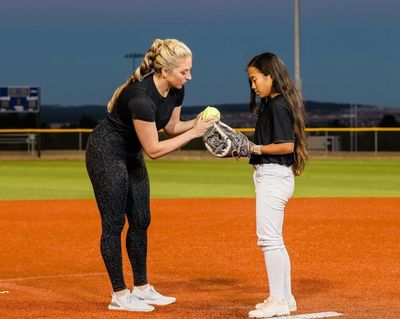
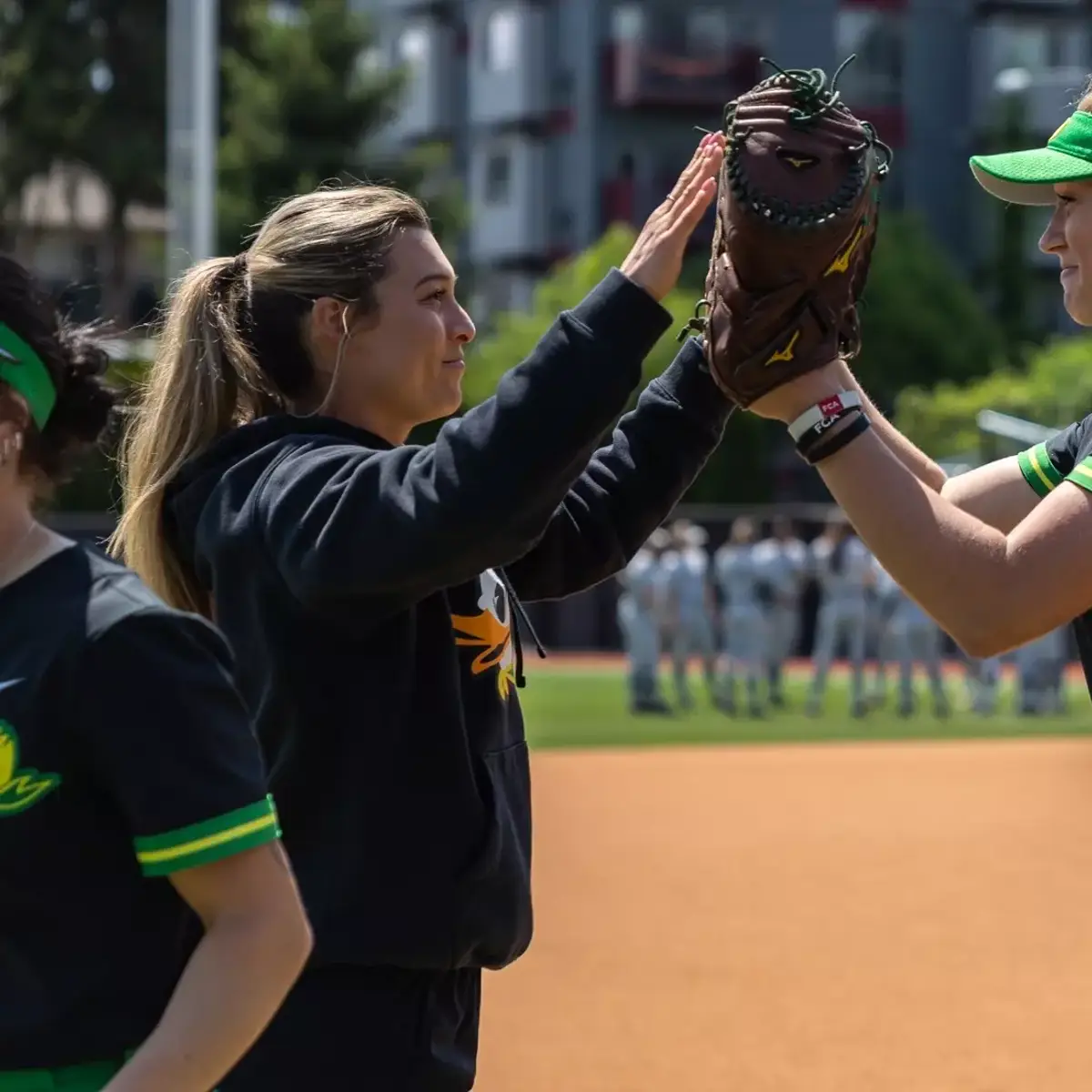
At Oregon, she's responsible for developing college athletes. She'll continue working with the Ducks' infield while taking on a larger role with the hitters. She talks about wanting them to become tough outs, confident women and, eventually, players capable of trusting what they do well.
Then the college season ends, and Romero becomes the athlete again.
She trains. She experiments. She competes. She receives feedback. She discovers which parts of her preparation worked and which ones need to change before the next professional season.
At 29, Romero is simultaneously an expert and an active student of the game.
“I'm 29 years old and I feel like there's still more that I can give and there's just—I can be better in a lot of different ways,” she said. “Yes, I was the Gold Glove winner. Yes, I had a good hitting season, but I'm like, I could have done better offensively.”
That distinction matters.
Winning the Gold Glove doesn't suddenly give Romero something to teach. Years of playing shortstop at an elite level already did that.
What her continued playing career gives her is something different: a constant reminder of what it feels like to be the person being taught.
She doesn't have to remember what it's like to make an adjustment that doesn't immediately work. She still experiences it. She doesn't have to remember how difficult it can be to ask for feedback once everyone assumes you're supposed to know the answers. She's had to learn how to do that too.
And she doesn't get the luxury of confusing expertise with completion.
Knowing More Can Make Asking Harder
That became especially clear after Romero left Oklahoma.
In college, the development structure around her was consistent. When she had questions about hitting, she had coaches she trusted, including JT Gasso, whom she still calls when she needs another set of eyes on her swing.
Professional softball hasn't always provided the same continuity.
“I never had a consistent coach after college,” Romero said. “Like coaches were always changing with the pro—like all the pro teams I've been on.”
That forced Romero to take greater ownership over finding feedback herself, which wasn't initially comfortable.
“Reaching out was the hardest part too, because I'm like, man, I should know these things. I should have it all figured out,” she said. “And sometimes you just don't.”
For someone who now coaches other athletes, there's value in having confronted that feeling personally.
Elite athletes are often treated as finished products. By the time someone reaches professional softball, the assumption is that she understands her body, her swing, her position and her preparation well enough to operate independently.
Romero's experience suggests something more complicated.
The better an athlete becomes, the questions don't disappear. They become more specific.
Romero experienced that this year offensively. She knew she had a tendency to take too long to find her timing once the professional season began. In a short season, heating up two or three weeks in wasn't good enough for her anymore.
So she changed her preparation.
She found more live pitching late in the offseason, including significant work against Lindsay Grein, who would eventually become her Oklahoma City Spark teammate. Romero entered the season determined to be ready immediately rather than trusting that her offense would eventually arrive.
It did.
The lesson wasn't that Romero needed someone to rebuild her swing. She needed enough self-awareness to identify a problem, enough openness to change her preparation and the right people around her to help execute it.
“I know I can do it myself,” she said, “but a lot of the times you need your people too to help you.”
That's a much more useful coaching lesson than pretending the best players eventually stop needing coaching.
The Award Is Evidence, Not the Curriculum
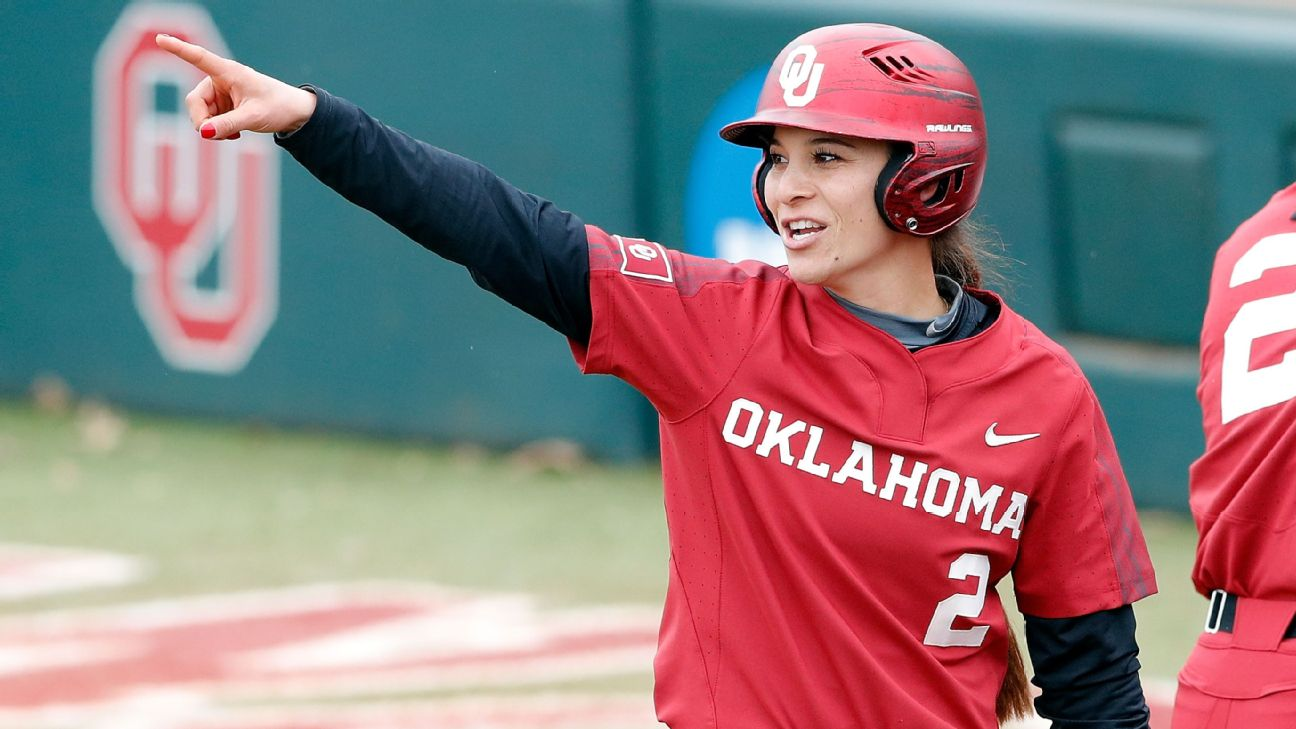
A Gold Glove gives Romero authority when she talks about defense.
It doesn't mean every Oregon infielder should move exactly like Sydney Romero.
Romero's description of her own defense makes that clear. She takes enormous pride in her glove work and footwork while recognizing that some of what works for her is specific to how she moves.
Coaching elite athletes isn't simply transferring one successful athlete's mechanics onto another.
Romero seems far more interested in helping players understand what works for them.
“You know, what they have's what they have and yes we can tweak things here and there,” she said of Oregon's hitters. “I just want them to be tough outs. I want them to be the most confident women that they can be and just, you know, let them play.”
The same philosophy shows up elsewhere in how Romero talks about leadership. She describes herself as stubborn and willing to stand behind her opinions, but equally interested in hearing perspectives that challenge her own.
“I do think it's really easy to get stuck in one way,” she said, “but I know there's not one way for a lot of different things.”
That's particularly meaningful coming from someone who now possesses an award that could seemingly validate her way.
Romero's response isn't to turn her own success into the blueprint.
It's to keep learning why things work.
Playing and Coaching Create a Feedback Loop
There are obvious challenges to maintaining two elite-level careers simultaneously.
Romero spends the college season helping Oregon athletes pursue their goals, then shifts back toward her own. Her offseason as a professional athlete isn't really an offseason because she has a Division I coaching job.
But the overlap creates something valuable.
Every professional season gives Romero new information to bring back into coaching. Every college season requires her to articulate ideas about hitting, defense, confidence and preparation that she then has to apply to herself when she becomes the player again.
Some of the athletes she coaches have even become her professional teammates. Grein trained with Romero before playing alongside her with the Spark. Amari Harper has experienced Romero on both sides of the relationship.
Romero said the transition doesn't require her to become a different person.
“How I play, how I talk to people, I would say it's pretty similar to how I coach them.”
That may be one of the advantages of this stage of her career.
Romero isn't coaching from a finished version of herself.
She's coaching while figuring things out too.
“Are You Committed to Seeing It Through?”
There was one question Romero heard that stuck with her:
“Are you committed to seeing it through?”
She thinks about it in the context of what athletes do once development becomes uncomfortable.
“A lot of people back away from the struggling,” Romero said. “Once you're struggling, they shy away from it. But during those moments it's like, are you willing to see it through? Are you willing to push through it? Are you willing to just kind of go through that?”
At 29, with a Gold Glove now attached to her name, Romero could reasonably point to everything she has already accomplished.
Instead, she immediately talks about what she could still do better.
That mentality may ultimately matter more to the athletes she coaches than anything engraved on an award.
Young players don't need to believe their coaches figured everything out years ago. Eventually, they'll reach a level where the answers become harder to find too.
What they need is someone who can show them what great athletes do when that happens.
Romero can tell an Oregon infielder that there isn't one perfect way to move because she just won the highest defensive honor in her league while acknowledging the unconventional parts of her own game. She can tell a hitter that receiving feedback doesn't mean she doesn't understand her own swing because Romero has had to learn that herself. She can tell an athlete that struggle isn't evidence that development has stopped because she's still deliberately putting herself through it.
The Gold Glove tells Romero's players that their coach knows how to play defense at an elite level.
Her career is teaching them something more useful.
Even the people at the top are still learning how to get better.