The Generation That Carried Professional Softball
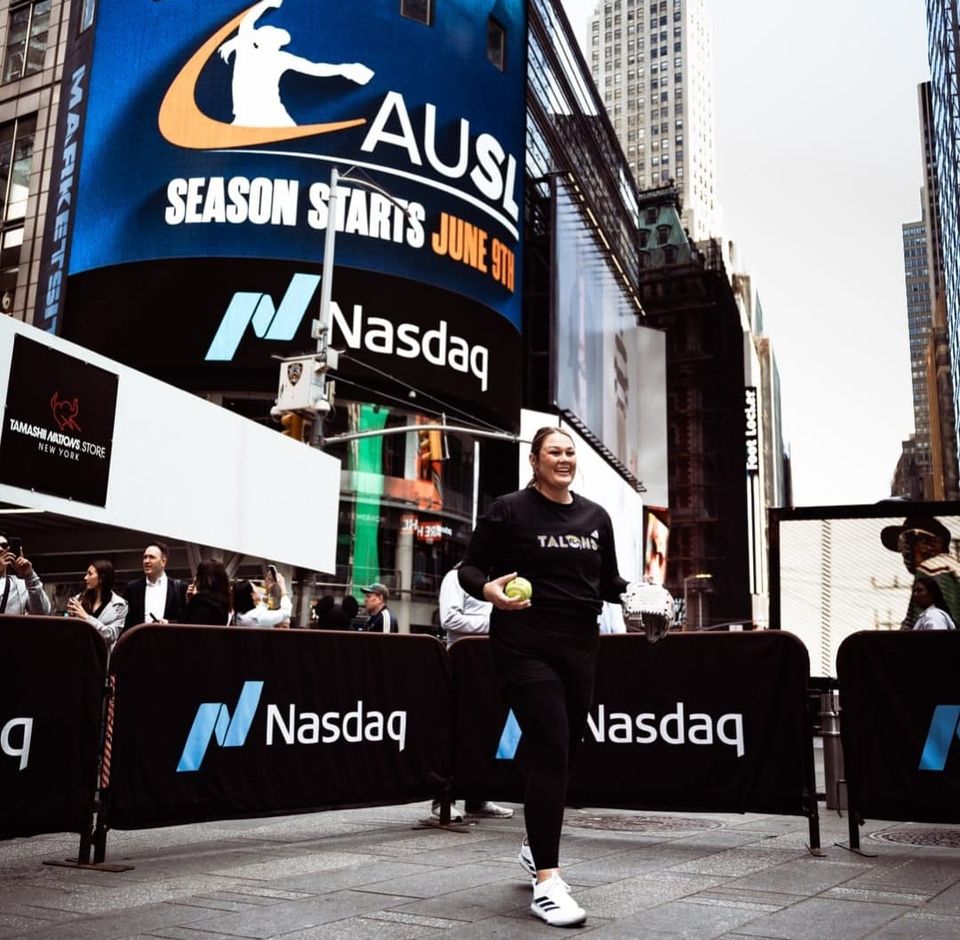
Before the sponsorships, sold-out crowds, and Times Square billboards, players like Dallas Escobedo Magee kept the sport alive.
The current softball boom is easy to see.
Record television ratings. Record attendance numbers. Major corporate sponsors entering the sport. New professional infrastructure finally beginning to form around athletes who have deserved it for years.
The 2025 Women’s College World Series averaged 1.3 million viewers across 15 games — the highest in event history and a 24% increase year over year. The championship series between Texas and Texas Tech averaged 2.2 million viewers, while Game 3 peaked at 2.7 million viewers, making it the most-watched NCAA softball game ever recorded. (ESPN)
Attendance numbers are exploding too. In 2025, Stanford and Cal drew 13,207 fans for a regular-season game, breaking the NCAA softball attendance record. (Extra Inning Softball)
Meanwhile, the AUSL continues adding major partners, including Adidas and Sephora, while also receiving backing from Major League Baseball.
On the surface, it looks like softball arrived overnight.
But players like Dallas Escobedo Magee know better.
Because before the visibility, there was survival.
Dallas Escobedo Magee on Winning a Natty as a Freshman, Team Mexico, the Tokyo Olympics & the AUSL
Dallas belongs to what may ultimately become one of the most important generations in softball history: the players who carried professional softball through its most unstable years.
The players who stayed after leagues folded. The players who played overseas because there weren’t enough sustainable opportunities in the United States. The players who kept investing in the sport before investors consistently invested in them.
Dallas has lived through nearly every modern version of professional softball.
After winning a national championship as a freshman at Arizona State University in 2011, she entered a professional landscape that looked nothing like the one younger athletes are beginning to see today.
There was no stable long-term ecosystem waiting for elite softball players after college.
Instead, there were fragmented leagues, constantly shifting teams, limited salaries, and uncertainty surrounding the future of the sport almost every season.
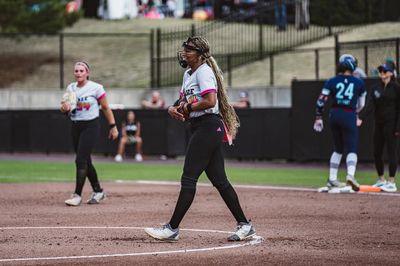
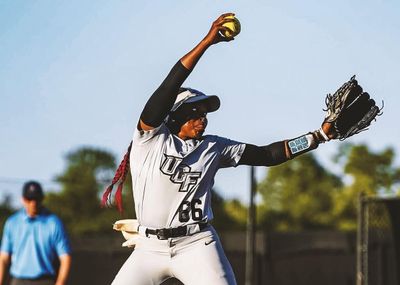
Dallas played for the Pennsylvania Rebellion, Texas Charge, Scrap Yard Dogs, and USSSA Pride during the turbulent years of National Pro Fastpitch and other professional softball ventures.
Teams disappeared. Leagues restructured. Opportunities changed constantly.
Yet players continued showing up anyway.
That’s the part of softball’s history that often gets skipped when discussing the sport’s current momentum.
Today’s generation sees polished graphics, sponsorship campaigns, and professional branding. What they don’t always see are the athletes who sustained the sport during years when professional softball still felt temporary.
For many of those players, continuing a career meant leaving America entirely.
Dallas spent seven seasons playing professionally in Japan. Seven.
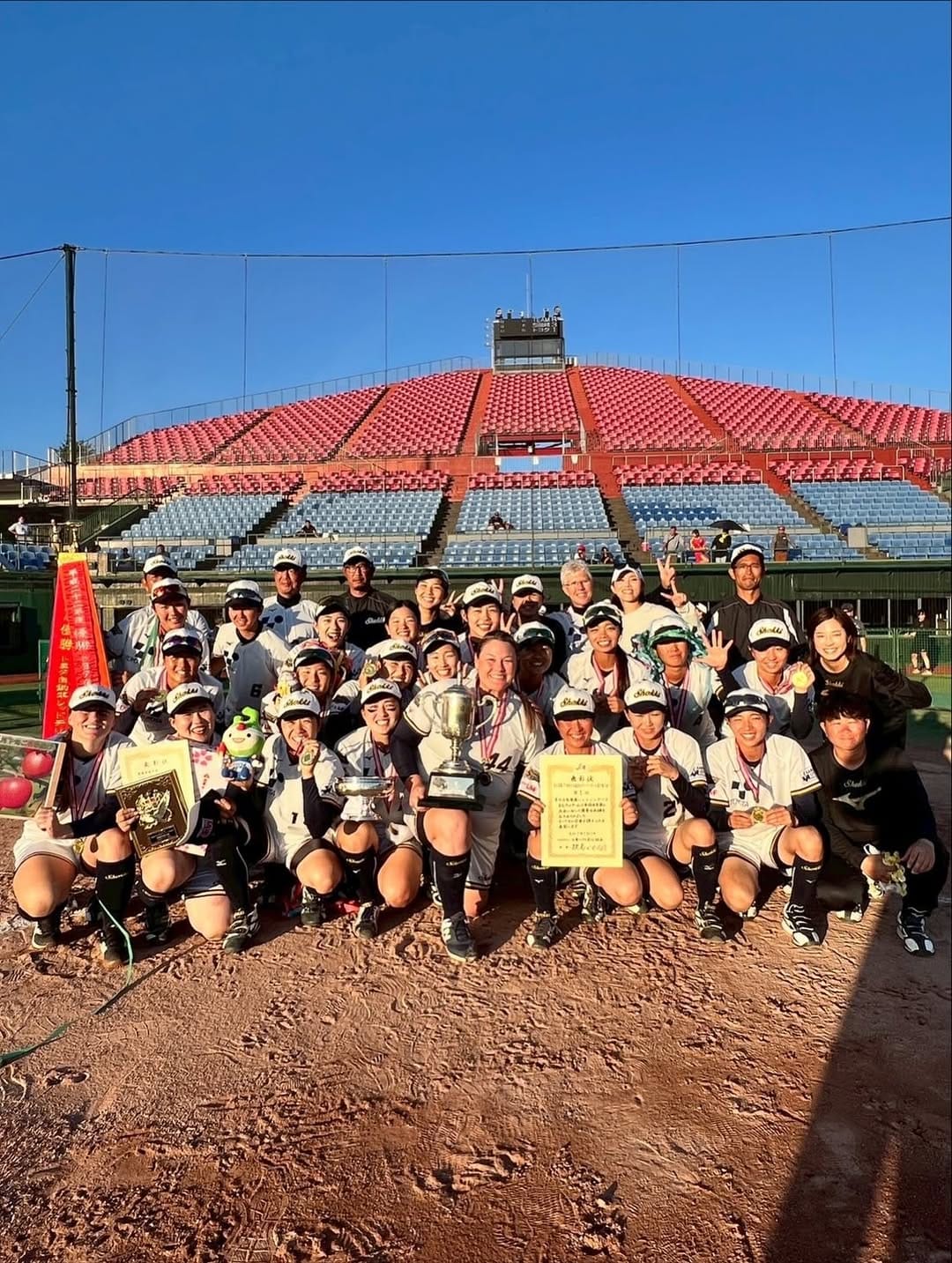
That decision alone says a lot about the economics of softball over the last decade.
Japan has long been considered one of the strongest professional softball environments in the world because of its structure, investment, and cultural respect for the game. Listening to Dallas describe it, the contrast is obvious.
“They live, eat, and breathe softball. We wash our cleats after every game… we do a 30-minute cleanup after practice… they’re sweeping the dirt back on the field.”
What stood out wasn’t just the routine itself. It was what the routine represented.
Professionalism.
For years, countries like Japan treated softball like a legitimate professional product while many American players were still piecing careers together season by season.
That’s why this current moment feels different to veteran athletes.
Not because the talent suddenly improved — softball has always had elite talent — but because infrastructure is finally starting to catch up to the level of athlete the sport has produced for decades.
And perhaps nobody understands that contrast better than the generation caught between softball’s old world and whatever comes next.
Dallas recently stood in Times Square as AUSL promotional content played across the NASDAQ billboard overhead before throwing pitches in the middle of Manhattan during a league activation event.
For younger athletes entering professional softball today, moments like that may feel exciting.
For veterans, they probably feel surreal.
Because this generation remembers when professional softball barely had enough visibility to survive.
That perspective changes how players view growth.
It also changes how they define success.
Dallas’ career already includes almost every accomplishment the sport can offer: national champion, Olympian with Team Mexico, longtime professional athlete, and now AUSL veteran. But her biggest contribution to softball may not be a trophy or stat line.
It may simply be that she stayed – through instability, through uncertainty, through the years when women’s professional softball still required sacrifice without guarantees.
Because the truth is, today’s softball boom didn’t magically appear.
It was carried here by a generation of players who refused to let the sport disappear before the rest of the world finally started paying attention.