Why a First-Round Bust Wasn't a Bad Business Decision for the Boston Red Sox
A case study in how front offices think about players as assets — and why the traditional "bust" narrative misses the point entirely.
I know this story better than anyone. Because I lived it.
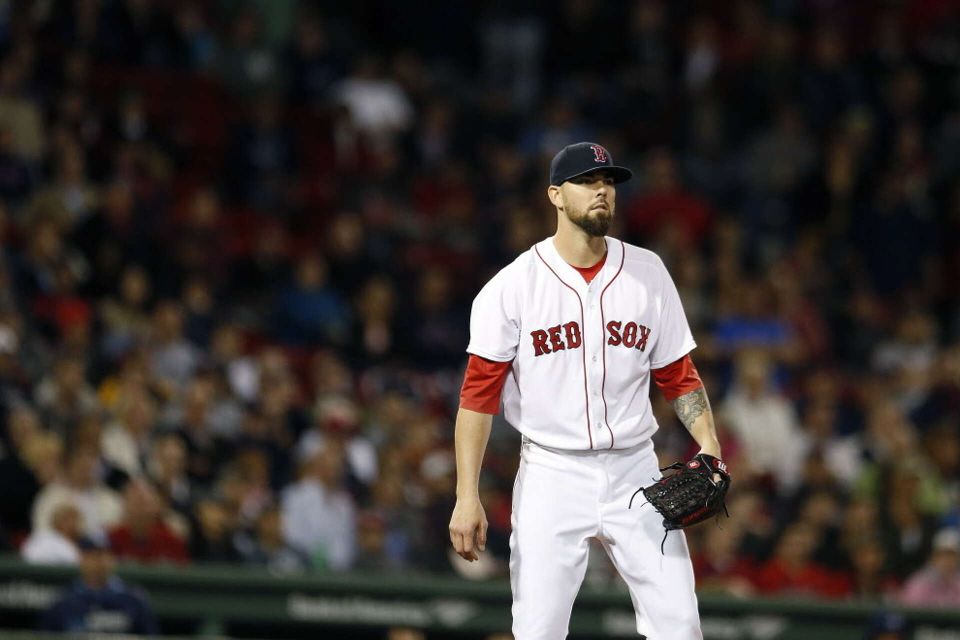
In 2010, the Boston Red Sox drafted me 39th overall out of LSU and signed me for $2.55 million. By most traditional baseball measures, I never became what that investment was supposed to produce. I pitched seven starts in the major leagues for Boston, went 4-3 with a 4.81 ERA, gave up too many home runs, walked more hitters than I struck out, and by January 2015 I was traded to Texas for a left-handed reliever. The narrative writes itself: first-round bust, top prospect who didn't pan out, cautionary tale.
Here's what that narrative gets wrong: the Boston Red Sox made a very smart business decision.
Most People Think in Outcomes. Front Offices Think in Assets.
Before you can understand what happened with my career from an organizational standpoint, you have to change the framework you're using to evaluate it.
In baseball, every player is an asset on a balance sheet. The front office tracks that asset the same way a CFO tracks a capital investment — acquisition cost, development costs, projected return, and peak value. And just like in business, an asset doesn't have to perform as originally projected to deliver real value. It just has to be managed intelligently across its lifecycle.
Here's the metric that makes this framework concrete: industry valuations put one Win Above Replacement — one WAR — at roughly $3 to $4 million in today's market. That's the currency front offices are trading in when they build rosters. Every player on every team is being measured against that number, whether the front office says so publicly or not.
When you view my career through that lens instead of the traditional "did he make it?" lens, the whole story changes.
The Investment: A Seed Round Bet on a 6'7'' LSU Arm
The Red Sox didn't draft me because they knew exactly what I'd become. They drafted me because they believed the upside was worth the price. That's Seed Round thinking — you're not paying for current performance, you're paying for potential and the organizational ability to develop it.
At $2.55 million for a supplemental first-round pick with a legitimate No. 3-4 starter ceiling, that was a calculated bet. I'd already passed on professional baseball once — the Rangers drafted me out of high school in 2007, and I chose LSU instead. So Boston was getting a more polished college arm at a known price. They understood what they were buying.
Then the development cycle started.
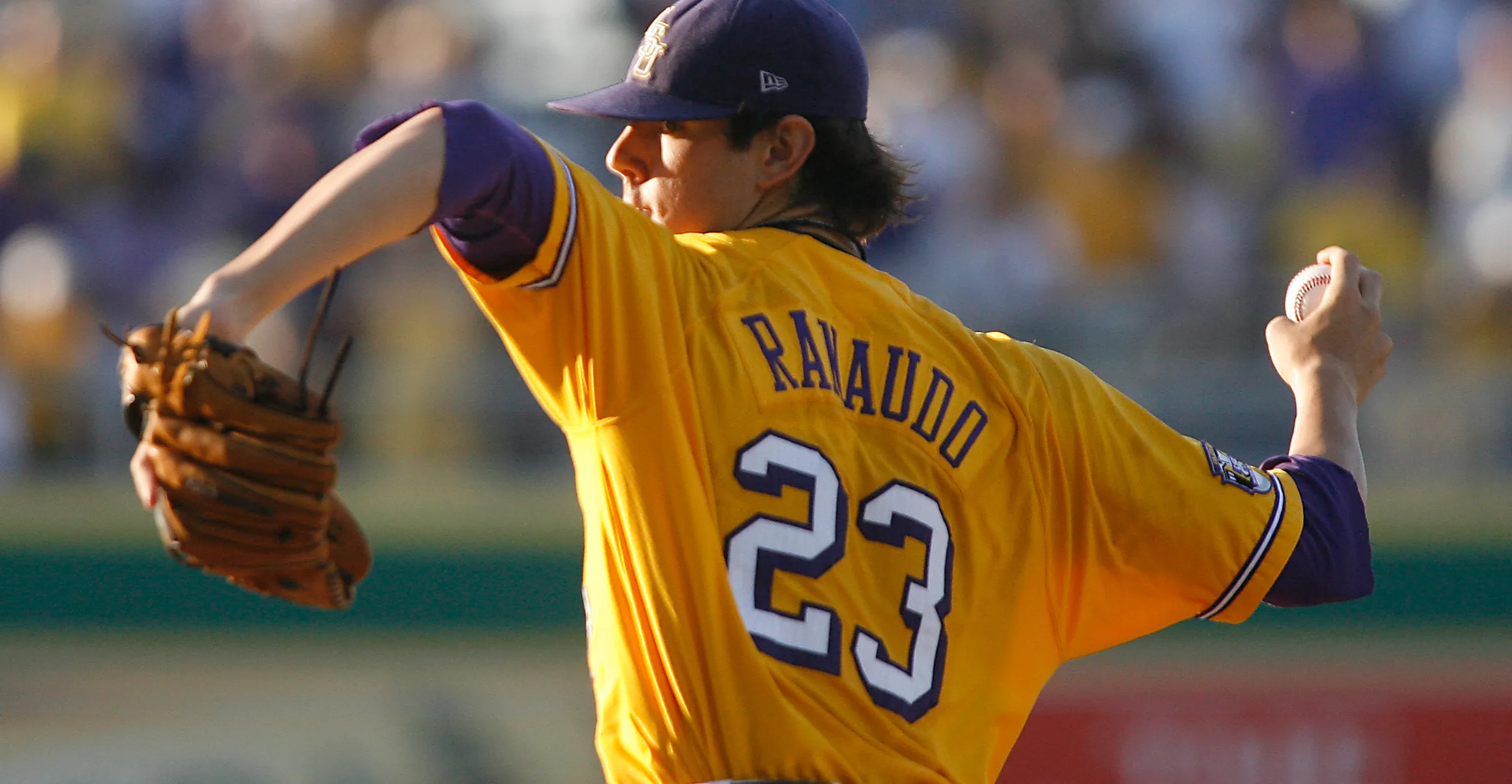
Four Years of Appreciating and Depreciating
2011 was encouraging: 9-6, 3.97 ERA, 117 strikeouts in 127 innings split between the lower levels. Asset on schedule.
2012 was the first depreciation event: injuries limited me to nine starts at Double-A Portland, 6.69 ERA. On the balance sheet, the value dipped.
2013 was the re-appreciation that matters most to this story. I came back and had the best season of my professional career — Eastern League Pitcher of the Year, .204 batting average against, 8-4 with a 2.95 ERA, then a promotion to Triple-A Pawtucket where I continued to perform. The Red Sox added me to the 40-man roster in November to protect me from the Rule 5 draft. That decision is a data point in itself: even with the 2012 setback, they still viewed the asset as worth protecting. That's not something an organization does with a player they've written off.
2014 is where the tension arrives. At Triple-A Pawtucket, I had the best season of my life: 14-4, 2.61 ERA, 111 strikeouts, International League Most Valuable Pitcher. I made my MLB debut on August 1 against the Yankees, earned the win, and went 4-3 with a 4.81 ERA over seven starts. The walks were too high, the home runs were too high, and the underlying numbers were ugly. The asset had peaked in Triple-A, and the MLB performance didn't match it.
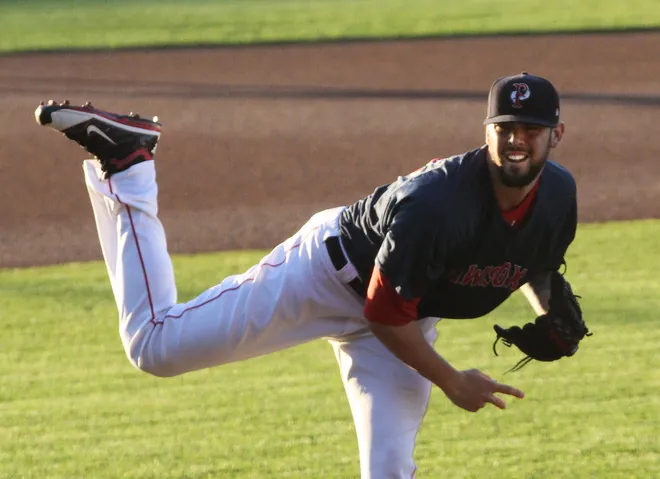
Now the organization has a decision to make. Hold? Develop further? Or convert the asset while the value is still real?
The Sale: Converting at Peak Trade Value
This is the business heart of the story.
By January 2015, the Red Sox had a surplus of starting pitching depth — Henry Owens, Eduardo Rodriguez, Brian Johnson, Matt Barnes, Edwin Escobar, Steven Wright — and a specific shortage of left-handed bullpen arms. GM Ben Cherington had exactly one reliable LHP reliever in the bullpen at the time: Craig Breslow. That's a scarcity problem, and scarcity problems get solved through the trade market.
I was, at that moment, as valuable as I would ever be on the open market. International League MVP. Top-4 prospect in the Red Sox system per MLB.com. A major league debut with a win on the ledger. Pre-arbitration, controllable, cheap. The Rangers needed rotation depth and were willing to pay for a name with those credentials.
So Cherington sold.
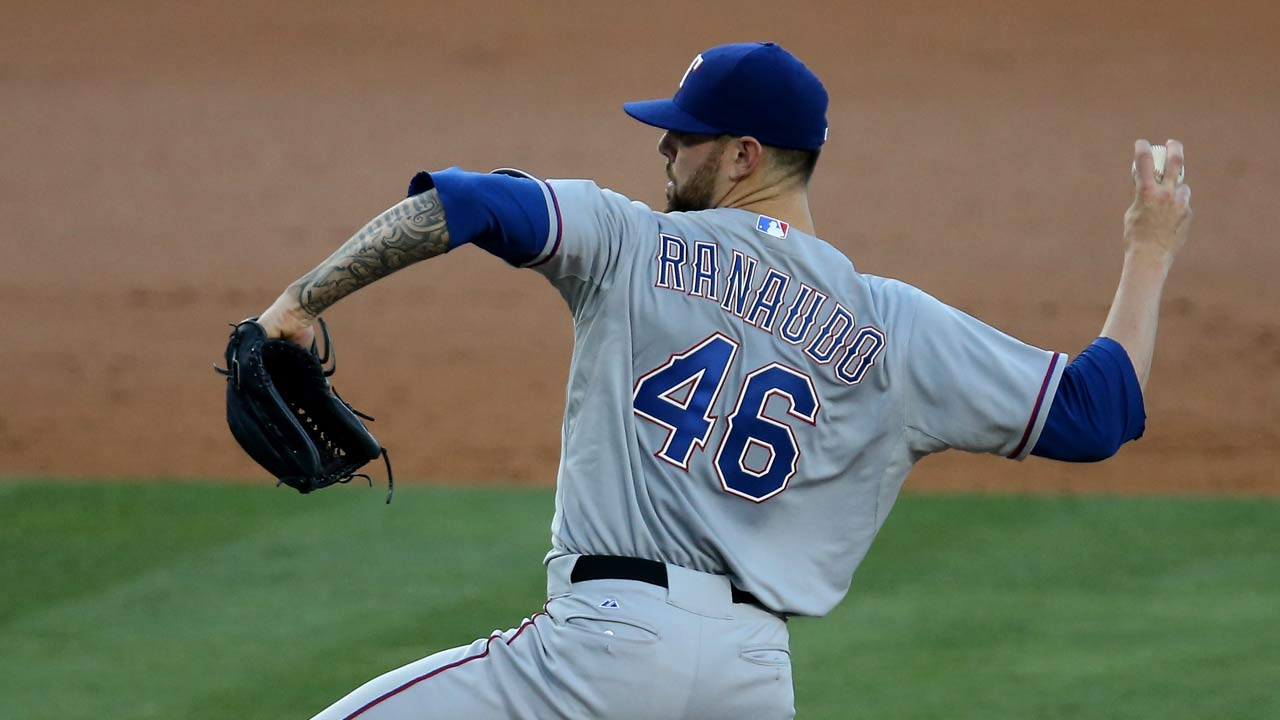
On January 27, 2015, I was traded to Texas for left-handed reliever Robbie Ross Jr. — a proven big-league arm who had posted a 2.22 ERA in his rookie season and addressed an exact, documented roster need.
What Ross delivered for Boston is the ROI that completes this case study.
In 2015 with the Red Sox, Ross appeared in 54 games and posted a 3.86 ERA across 60.2 innings, stranding 73.6% of inherited runners and recording six saves when Koji Uehara went down with a broken wrist in August. In 2016, he appeared in another 54 games, posted a 3.25 ERA across 55.1 innings, held left-handed hitters to a .188 average, and made the ALDS roster when Boston made the postseason. Two seasons, 108 appearances, consistent left-handed bullpen presence — a combined 1.5-plus WAR from a position of organizational scarcity. His last MLB season was 2017, which confirmed what the Red Sox already knew by then: they'd gotten exactly what they needed, exactly when they needed it.
Now run the math. The Red Sox invested $2.55 million in me in 2010, plus four years of player development costs. What they got back, across the full lifecycle of that investment, was: four years of prospect development that maintained and eventually maximized my market value; seven MLB starts and a winning record; and two-plus seasons of a proven left-handed reliever who addressed their most specific bullpen need at the time they needed it most. They also still had Owens, Rodriguez, Barnes, and the pipeline that eventually became the foundation of the 2018 World Series team.
That's not a bust. That's asset management.
The Chain: What Happened After the Sale
For context on the timing: the Rangers sent me to Triple-A Round Rock to compete for a rotation spot, then flipped me to the Chicago White Sox on May 12, 2015, for a minor league pitcher named Matt Ball. Each transaction compressed my value further. By the time that deal happened, I'd gone from a $2.55 million investment to a piece in a minor league swap in under five months.
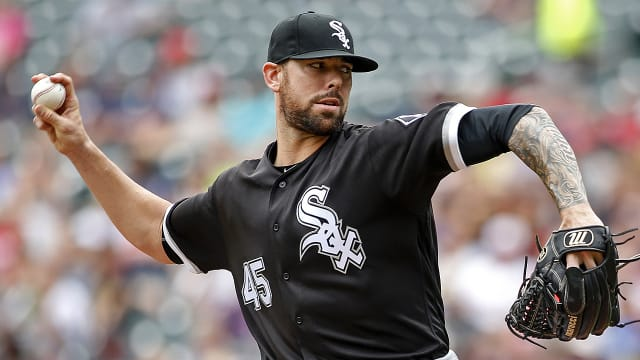
The Red Sox sold at exactly the right moment. That's not luck — that's a front office that understood where an asset sat in its depreciation curve and acted accordingly.
The Bigger Picture
Baseball teams make hundreds of decisions like this every single year. Some assets appreciate — Rafael Devers, signed for $1.5 million as a 16-year-old international prospect, became a franchise cornerstone worth $331 million before eventually being traded for four major-league pieces. Some depreciate but get converted intelligently. And some get held too long, age out of their value window, and end up providing nothing to anyone.
The organizations that consistently win championships aren't necessarily the ones who draft the best players. They're the ones who manage their roster like a portfolio — understanding the difference between an appreciating asset and a depreciating one, knowing when development costs stop being investments and start being sunk costs, and recognizing the exact moment when conversion creates more value than continuation.
My career is a small case study inside a much larger truth: the "bust" label is a fan's framework, not a business one. The Boston Red Sox paid $2.55 million for a right-handed pitcher, developed him through five professional seasons, debuted him in the major leagues, and traded him at peak market value for a left-handed bullpen piece that gave them two productive seasons in a period of real organizational need.
That's not failure. That's exactly how the business is supposed to work.
I know, because I was the asset.