Beyond NIL: How Chelsay Day Is Building Legacies in Softball
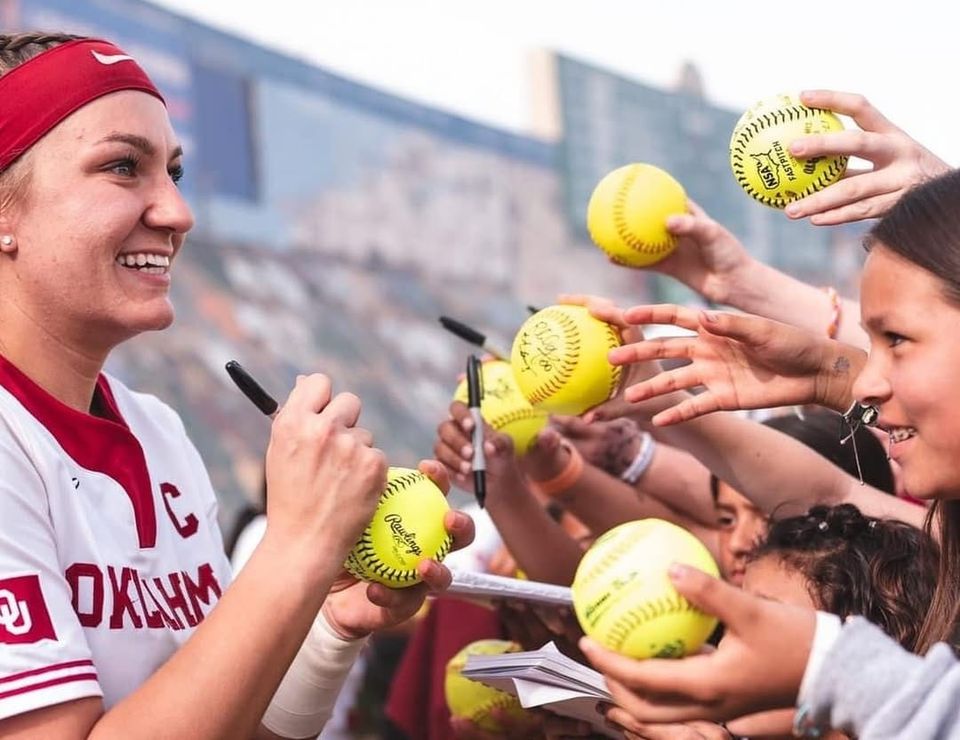
For years, softball's growth conversation centered around attendance records, television ratings, and professional leagues.
Today, another force is accelerating the sport's rise: athlete branding.
Few people have had a closer view of that transformation than Chelsay Day.
As founder of Legacy Creators Management, Day represents some of softball's biggest names, helping athletes navigate NIL opportunities, professional careers, endorsements, content creation, and the increasingly complex business side of the sport. But her story didn't begin in sports.
An Oklahoma native raised in a farming and ranching family, Day built her career in the fashion industry, eventually helping grow multiple denim brands under the mother label. The experience taught her how brands are built, how audiences connect with people, and how storytelling drives value.
What she didn't realize at the time was that those same principles would eventually become one of softball's most valuable resources.
How Chelsay Day Became Softball's Go-To Sports Agent | Legacy Creators Management
From Fashion to Softball's Front Office
Day's entry into athlete representation happened almost by accident.
After launching a successful media company with her sister, she began working with former Oklahoma star Lauren Chamberlain following Chamberlain's medical retirement from professional softball.
The partnership quickly revealed something bigger.
Brands wanted access to softball athletes. Athletes wanted guidance. And the sport lacked enough infrastructure to connect the two.
"We were turning down so many opportunities because there weren't enough people in softball doing this work," Day explained on Out of Left Field.
That realization led to the creation of LC Management, which later evolved into Legacy Creators Management.
The timing proved perfect.
Just as Day's business began gaining momentum, NIL changed college athletics forever.
Suddenly, softball players weren't simply athletes.
They were brands.
The Real Value of NIL
Much of the NIL conversation focuses on dollar figures, but the bigger opportunity may be longevity.
Day believes the most valuable asset an athlete owns isn't a sponsorship deal or a social media post. It's the brand they create around themselves.
"No one can take that away from you," she said.
That's a crucial distinction because playing careers end. Personal brands don't.
For softball athletes, that reality carries even more weight than in many men's sports. Professional opportunities remain limited compared to baseball, football, or basketball. Building an audience, creating business opportunities, and establishing marketability can provide career pathways that extend long after the final game.
The athletes succeeding in today's environment aren't simply collecting endorsements.
They're building communities, creating businesses, and they're becoming media personalities, entrepreneurs, coaches, and advocates.
In many ways, NIL has become softball's unofficial business school.
Softball's Next Competitive Advantage
The explosion of softball over the past five years isn't solely the result of television contracts or league expansion.
It's also because fans now know the athletes.
Jocelyn Alo isn't just a home-run hitter; she's a personality.
Jordy Frahm isn't just a pitcher; she's a brand.
The same can be said for dozens of current stars who have leveraged social media, partnerships, podcasts, and content creation to connect with fans beyond the field.
Fans don't buy tickets because they know statistics.
They buy tickets because they know stories.
The athletes who understand that are helping move softball from a niche sport into a year-round entertainment product.
And representatives like Day are helping create the framework.
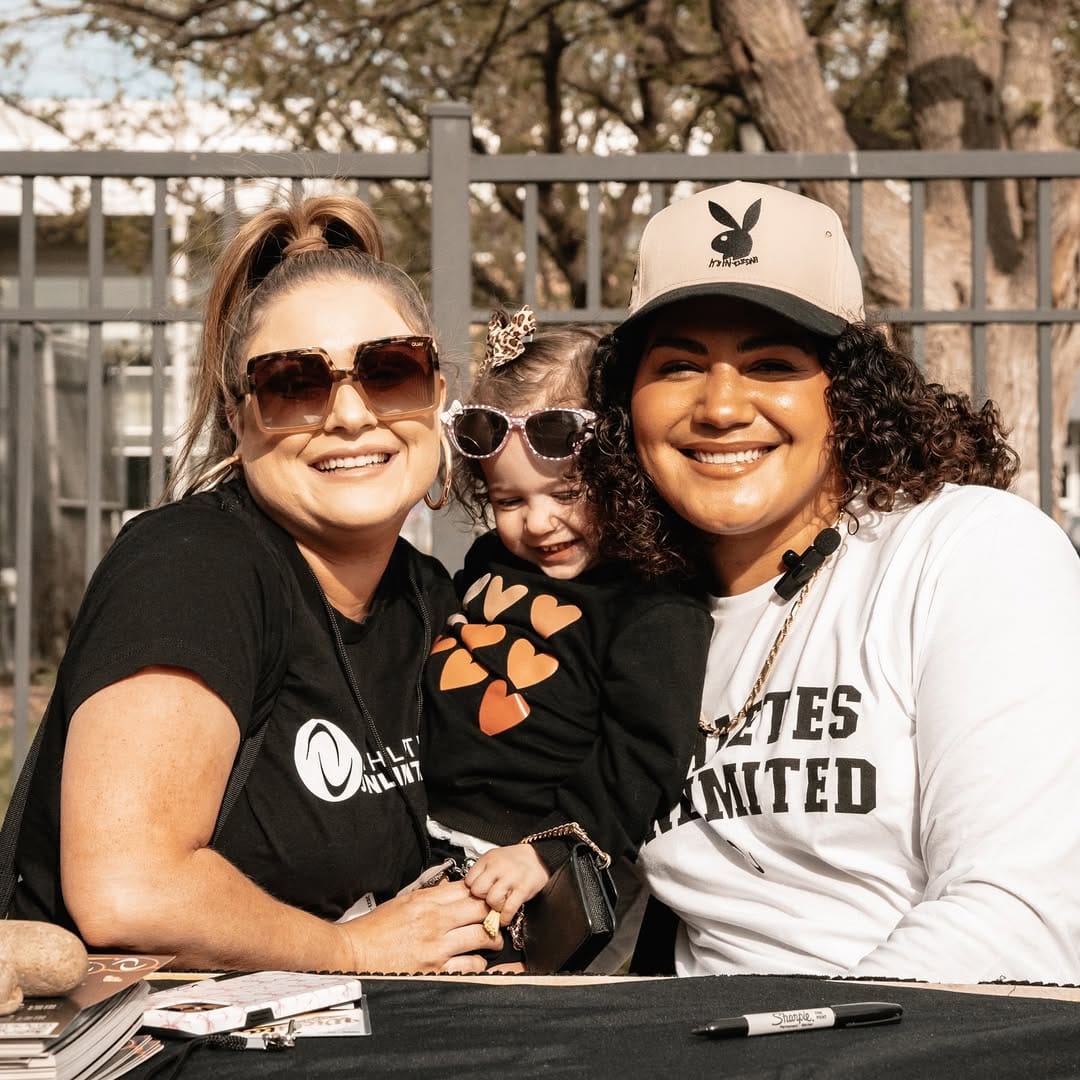
Building a Legacy, Not Just a Career
The recent rebrand to Legacy Creators Management reflects a philosophy Day says has been on her heart for years.
The goal isn't simply maximizing opportunities during an athlete's peak visibility. It's creating something that lasts.
That mindset has become particularly meaningful as more professional softball players balance careers and motherhood.
Day, herself a mother of two, has helped clients navigate pregnancy, maternity policies, and career transitions while continuing to build their personal brands. She spoke about working alongside athletes such as Kelsey Stewart Hunter, Jocelyn Alo, Kinzie Hansen, and Jordy Frahm during major life milestones.
Those moments highlight something unique about softball.
Unlike many professional sports, the community remains deeply interconnected.
The same people helping build careers are often helping athletes navigate life.
That's where the word "legacy" takes on a different meaning.
It's not just about records. It's about impact.
The Future of Softball Business
As softball continues its rapid growth, the industry's biggest opportunities may no longer exist solely on the field.
Media rights are growing. Professional leagues are expanding. Sponsorship dollars are increasing.
At the same time, athletes are gaining unprecedented control over their own platforms and audiences.
The next generation of softball stars won't simply be evaluated by batting average, ERA, or championship rings.
They'll also be measured by the communities they build, the businesses they create, and the influence they carry beyond the game.
Chelsay Day's career offers a glimpse into what that future looks like.
The athletes may be the faces fans see.
But behind many of softball's biggest success stories are people helping turn moments into movements.
And in a sport experiencing unprecedented momentum, that work may be more important than ever.