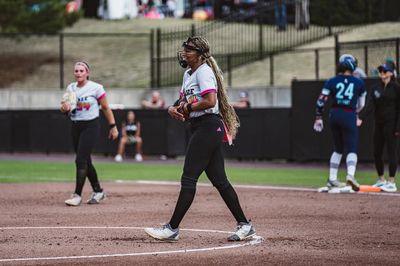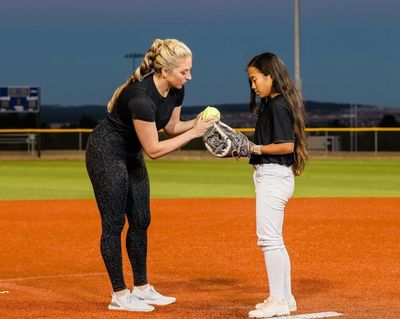
The Evolution of Youth Sports Isn’t as Simple as We Want It to Be
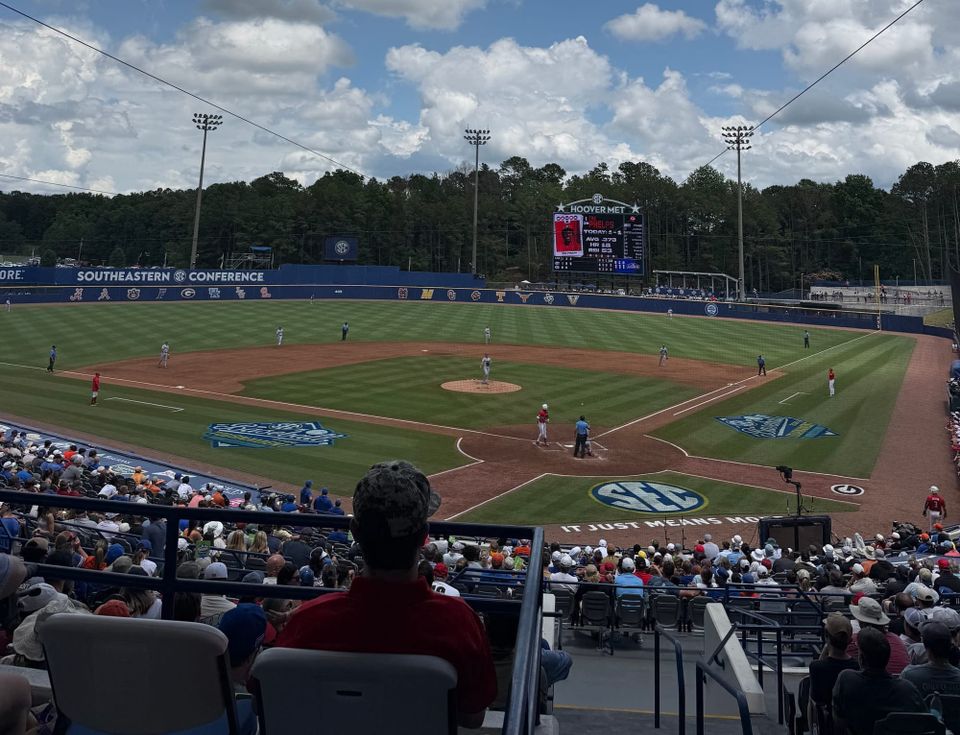
Walking Through Hoover Felt Like Walking Through Modern Baseball Culture in Real Time
The SEC Tournament has always felt like a glimpse into the future of baseball culture. Thousands of fans packed into Hoover with professional scouts behind home plate. Families are wearing their matching gear and their kids chasing foul balls with oversized gloves and dreams bigger than the stadium itself.
This year, there was also a distinctly regional feel to the crowd because both Auburn and Alabama entered the tournament with legitimate momentum and real expectations of making deep runs. You could feel the weight of SEC baseball culture in the stands. Certain sections carried the energy of families treating the tournament almost like an annual tradition, while other areas felt more like generational fan bases gathering around a shared identity tied to their schools and the South itself. It created a blend of audiences that was hard to ignore: grandparents in folding chairs tracking every pitch, dads and sons walking the concourse together, families connected directly to players, and longtime SEC fans who simply view this week in Hoover as part of their lifestyle and routine.
But walking through the Fan Zone almost felt like walking through a mirror of modern youth sports.
There were lines wrapped around interactive booths. Young players taking swings in cages and shooting balls in enormous hoops. Siblings throwing mini baseballs back and forth in the grass while parents bounced between concession stands and the bar. Everywhere you looked, baseball had evolved beyond the field itself. It wasn’t simply a game anymore. It was an ecosystem.
And depending on who you ask, that evolution is either destroying childhood sports or redefining community around them.
The Nostalgia Conversation Isn’t Wrong — But It’s Incomplete
The criticism surrounding youth sports has become increasingly loud over the last decade. The arguments are familiar by now: travel ball is too expensive, kids specialize too early, weekends disappear into hotel blocks and tournament schedules, and organized sports have replaced the unstructured freedom that once defined childhood summers. The nostalgic image of kids riding bikes to the local park for pickup games has become the measuring stick many people use when evaluating modern youth athletics.
But reality is more layered than that.
Because while some families absolutely feel trapped in the machine of youth sports, others are finding something entirely different inside of it: structure, belonging, opportunity, and connection in a world where many traditional forms of community have quietly disappeared.
The conversation becomes more complicated when you step outside the extremes and look at how families are actually living.
For Some Families, The Ballpark Has Become Community Infrastructure
For one family, youth sports might represent chaos: long drives, financial pressure, burnout, or a schedule that feels more like a second job than a childhood experience.
For another, it might be the very thing holding the family together.
Imagine a household where both parents work long hours during the week, and the baseball tournament becomes the one guaranteed space where everyone is fully present together. The younger siblings spend the day roaming the complex making friends, trading cards, and eating snow cones while older brother plays under the lights. Dad finally gets uninterrupted time with his kids between games. Mom reconnects with other families she now sees more often than some relatives, while she fills her hydroflask with high noon. What looks excessive from the outside may actually function as modern community infrastructure from the inside.
There’s also the reality that organized youth sports increasingly fill a vacuum left behind by changing childhood habits.
Kids simply do not interact the same way they once did. Neighborhood pickup games have largely been replaced by phones, gaming systems, streaming platforms, and fragmented digital social lives. That shift is bigger than baseball. Bigger than sports entirely. In many ways, organized athletics have become one of the few remaining environments where kids consistently experience teamwork, face-to-face socialization, delayed gratification, failure, leadership, and physical competition in real time.
That doesn’t automatically justify every aspect of the current system. It just means the conversation deserves more nuance than nostalgia alone.
Multiple Versions of Youth Sports Now Exist at the Same Time
The most interesting part of walking through Hoover wasn’t necessarily the games themselves. It was watching how many different versions of youth sports now coexist under the same umbrella.
You could see the highly ambitious travel-ball family chasing the scholarship and national rankings. But twenty feet away, you could also see families simply enjoying the atmosphere of baseball together with no long-term agenda at all. One kid was taking batting practice with tunnel vision toward the SEC. Another was just excited to get a foam finger and watch Tennessee hit BP.
Both experiences are real.
And maybe that’s the tension sitting underneath the modern youth sports debate: we keep trying to evaluate one massive ecosystem through a single lens.
There are absolutely unhealthy elements within youth sports. Overtraining is real. Financial barriers are real. The pressure adults place on children is real. The commercialization of amateur athletics has undeniably accelerated.
But there’s also another side that deserves acknowledgment.
For some kids, the ballpark is still the safest and happiest place they know. And for some families, tournaments become their version of vacations, reunions, and social circles combined into one.
For some communities, youth sports complexes now function almost like modern town squares — one of the few places where people from different schools, professions, neighborhoods, and backgrounds still gather consistently around something shared.
The Goal Shouldn’t Be Recreating the Past
That doesn’t mean the system is perfect. It means it’s evolving.
And maybe the real challenge moving forward isn’t trying to recreate the exact childhood experiences previous generations had. Maybe it’s figuring out how to preserve the healthiest parts of sports — competition, friendship, movement, resilience, community — while adapting to the reality of the world kids are actually growing up in now.
Because standing in Hoover this week, surrounded by thousands of kids running through the Fan Zone with gloves in their hands and dirt already on their shoes and soaked from down-pouring rain, it was hard to look around and conclude that all of this was entirely bad.
Complicated? Absolutely.
Commercialized at times? Without question.
But also alive. And in today’s world, that’s a beautiful thing.