Maya Johnson's Story Raises a Question College Sports Doesn't Like to Ask
For most college athletes, earning a scholarship is the hard part.
For Maya Johnson, the harder challenge came after she had already committed.
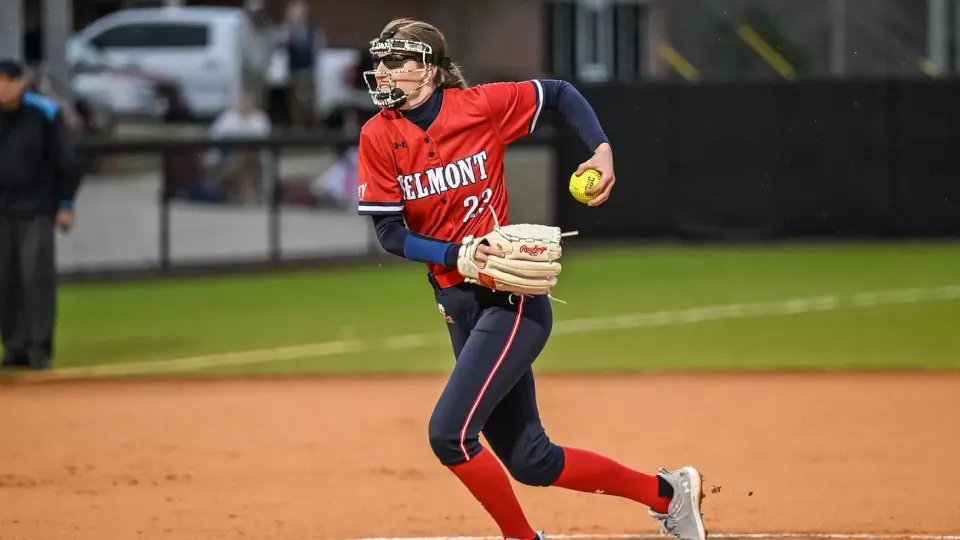
Before becoming the third overall pick in the inaugural Athletes Unlimited Softball League Draft, before becoming one of the most dominant pitchers in college softball, and before helping elevate Belmont softball to new heights, Johnson found herself fighting a battle that had nothing to do with spin rate, velocity, or performance.
She was fighting for the right to play at all.
"I got diagnosed with lupus," Johnson said on Out of Left Field. "I was trying to manage a new health diagnosis alongside getting recruited and committing."
Lupus is an autoimmune disease that can affect multiple organs and body systems. Johnson had already committed to Pittsburgh when she received a phone call shortly before arriving on campus.
The university's team physician would not clear her to play softball.
At first, Johnson assumed it was a temporary hurdle. She gathered documentation from her doctors and returned with medical clearance letters. The answer remained the same.
Eventually, she was told she would likely never be cleared there.
For many athletes, that would have been the end of the story. Instead, it became the beginning.
Maya Johnson Opens Up on Chemo, Loyalty, NIL & What It Actually Took to Get to the AUSL
When One Doctor Says No
What makes Johnson's journey particularly fascinating is not simply that she faced a medical obstacle. It's that different institutions viewed the same athlete differently.
After entering the transfer portal, Johnson encountered a pattern.
Schools would express interest. Some would begin recruiting her. Then conversations would end once her medical history entered the discussion.
"I got told no over and over and over again," Johnson said. "A lot of the time schools would tell me yes and then offer me, and then I'd get offers rescinded because they're like, actually, we can't clear you."
The challenge wasn't a lack of talent. It wasn't a lack of production. It wasn't a lack of desire.
The question wasn't whether Johnson could play softball.
The question was whether schools were willing to assume the responsibility that came with clearing her to compete.
Eventually, one program did.
The Program That Said Yes
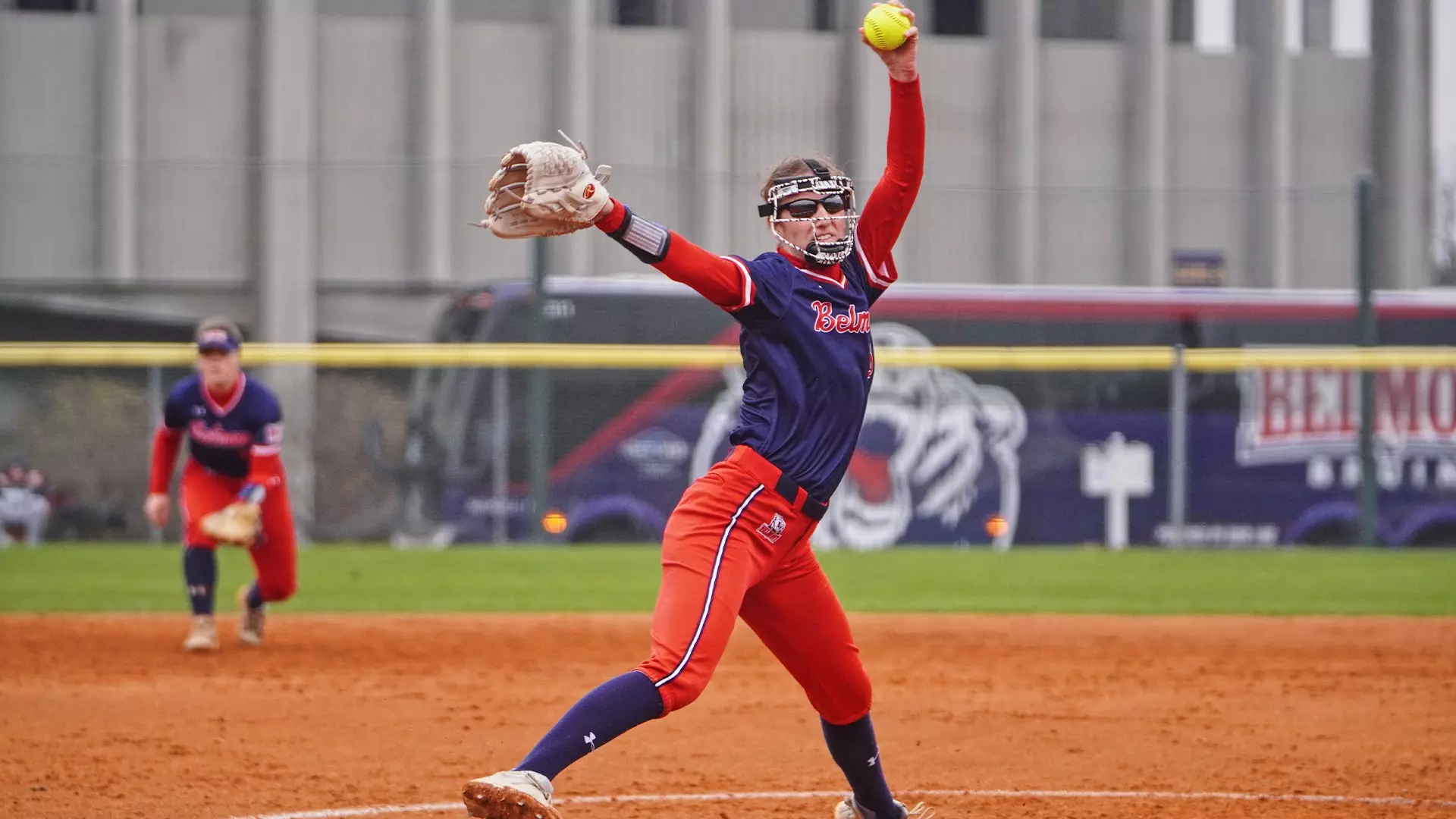
Johnson eventually found an opportunity at Bowling Green before coaching changes altered her path once again. That process ultimately led her to Belmont.
Unlike previous stops, Belmont's staff was willing to work through the medical concerns and give her an opportunity to compete.
The significance of that decision would not become clear immediately.
Over the next four seasons, Johnson developed into one of the most accomplished pitchers in program history. She helped Belmont win its first conference championship and NCAA Tournament berth while establishing herself as one of the nation's top arms.
Looking back, it would be easy to frame Belmont's decision as obvious.
At the time, it wasn't.
That's what makes the story worth examining.
Every institution that declined to clear Johnson likely believed it was acting in the athlete's best interest. Belmont believed it could safely support her while allowing her to pursue her goals.
Those decisions led to very different outcomes.
The Ultimate Test
Then came the challenge that could have validated every concern people once had.
In the fall of 2024, Johnson suffered a lupus flare that affected her kidneys and required chemotherapy treatments.
For many athletes, a diagnosis requiring chemotherapy would immediately shift the conversation away from sports.
Johnson saw it differently.
"I was operating under the impression that chemo was going to work," she said. "I can't sit around for three months."
She continued training. She continued lifting. She continued preparing for the season she believed she would eventually play.
Not because the process was easy.
Far from it.
Johnson described practices where her body felt exhausted and her performance wasn't where she wanted it to be. She described moments of frustration and tears. She described questioning whether she could continue.
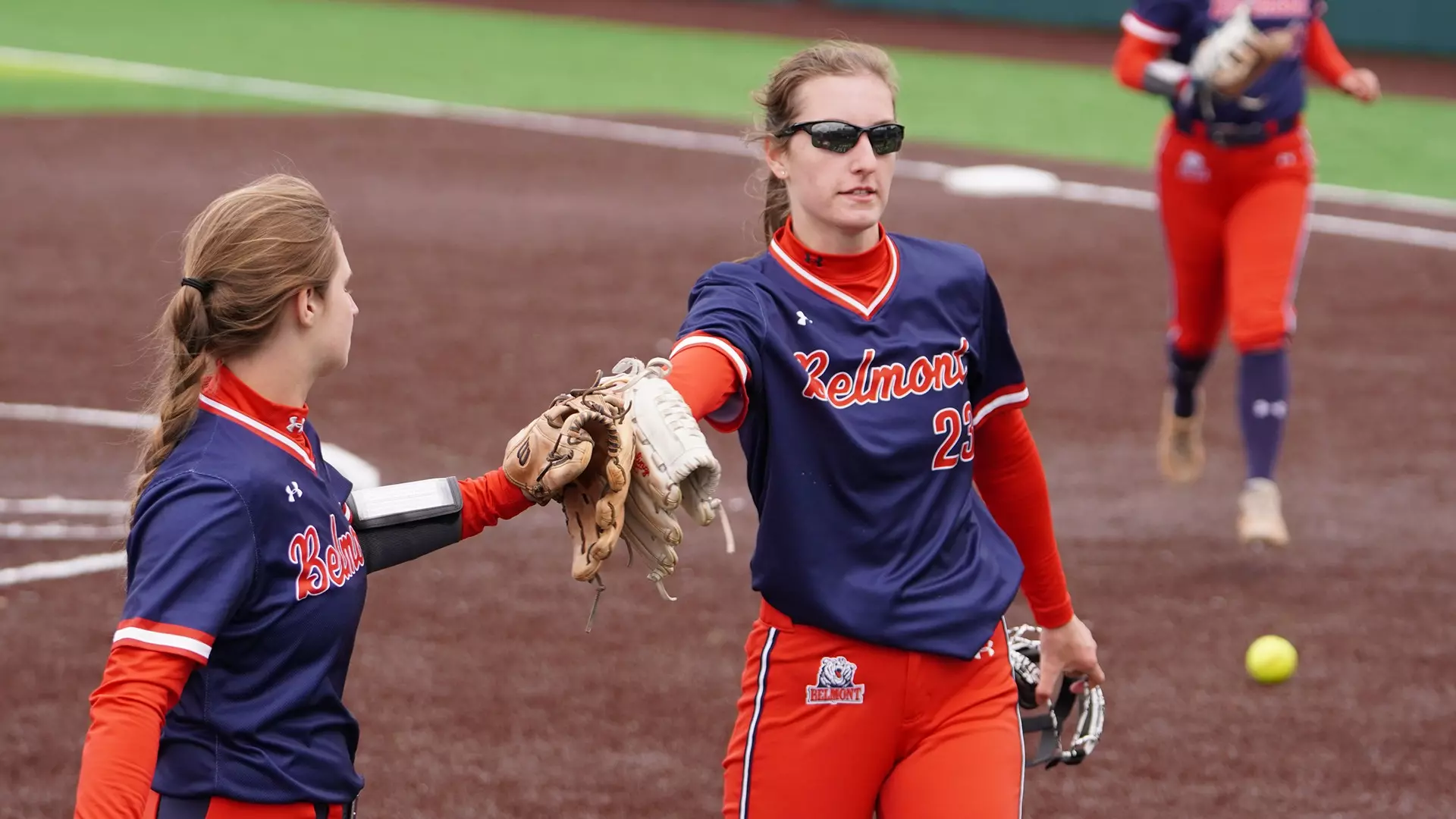
But she also described teammates driving her to appointments, sitting with her during difficult moments, praying with her, and helping her navigate a season unlike any other.
The support system Belmont promised wasn't a recruiting pitch anymore.
It was reality.
The Bigger Conversation
Johnson's story is not an argument that every athlete should be cleared to play.
Nor is it a criticism of the schools that made different medical decisions.
Rather, it highlights a reality that exists throughout college athletics.
Athletes are often evaluated through the lens of risk.
The athlete, meanwhile, is often evaluating the same situation through the lens of possibility.
Johnson understood the risks associated with lupus. She also understood what softball meant to her, and the value of pursuing a nursing doctorate.
She understood what she was willing to fight for.
Most importantly, she never stopped believing she was capable.
"I know that I can do this," Johnson said. "My parents know that I can do this. My friends know that I can do this."
Years later, that belief has been validated.
The athlete who struggled to find a program willing to clear her is now preparing to begin her professional career.
The player who heard "no" from multiple schools became the third overall pick in a professional draft.
And the story serves as a reminder that some of the most important decisions in sports happen long before the first pitch is thrown.
Sometimes they happen in doctor's offices.
Sometimes they happen in compliance meetings.
Sometimes they happen when a program decides whether to see an athlete as a risk to manage or a person worth believing in.
For Maya Johnson, one program chose the latter.
The rest is history.