While Everyone Watches College and Pro Softball, Summer Ball Is Building Something Too
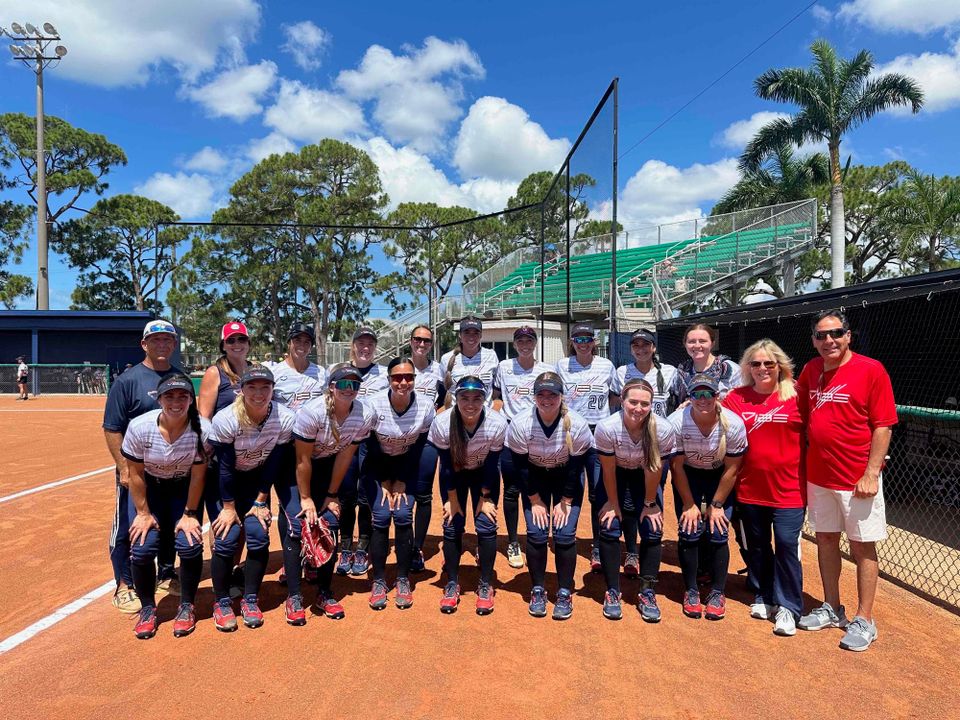
For most softball fans, the calendar feels pretty straightforward.
Spring belongs to college softball. Summer belongs to the growing professional game.
But somewhere in between those two worlds, another layer of the sport has quietly started expanding — one that could end up becoming one of the most important developmental spaces softball has ever had.
College summer softball.
It’s still fragmented. Still regional. Still developing its identity.
But it’s growing fast.
And while television ratings, NIL deals, and professional expansion have dominated conversations around softball’s future, summer ball may be building something just as important underneath it all: infrastructure.
The Gap Softball Never Really Had Filled
Baseball has long treated summer as part of player development. The sport built entire ecosystems around it.
The Cape Cod League has existed since the 1800s. The Northwoods League now operates dozens of teams across the Midwest. Wooden-bat leagues, collegiate leagues, developmental leagues, and MLB-supported pipelines have become normal parts of baseball culture.
For softball, that structure largely didn’t exist.
Players finished their college seasons and either went home, played limited exhibition opportunities, joined national-team pipelines, or trained individually.
That’s starting to change.
According to the NCAA, softball now has more than 21,900 athletes competing across all divisions, making it the fourth-most participated-in women’s NCAA sport in the country. Participation has increased roughly 12 percent over the last decade.
The player pool is enormous, but the developmental infrastructure historically hasn’t been.
That disconnect is part of why college summer softball leagues have started gaining traction around the country.
Summer Softball Isn’t Just About Playing More Games
In an Out of Left Field episode with Florida Vibe owner and Professional Softball League spokesperson Ryan Moore, one point came up repeatedly: reps are key.
Not just workouts. Not just cages. Not just bullpens.
Live reps.
The kind that force players to adjust in real time against elite competition.
Moore’s Florida Gulf Coast League softball division — which launched in 2020 — started with six teams and has since expanded to 14.
What Is the PSL? | Professional Softball League 2026 with Florida Vibe Owner Ryan Moore
Over the years, the league has featured players who later became household names in college softball, including athletes who went on to compete deep into Women’s College World Series runs. Moore said more than 50 players who participated in the league eventually reached the WCWS.
That's important because softball’s season structure is fundamentally different from baseball’s.
Baseball players often spend nearly the entire year in some version of organized competition: fall ball, spring season, summer leagues, instructional leagues.
Softball players historically haven’t had that same bridge between seasons.
Summer softball is creating one.
The New Layer Between College and Pro Ball
What makes this moment interesting isn’t just that leagues exist.
It’s that they’re starting to connect different parts of the softball ecosystem together.
The American Collegiate League partnered with Alliance Fastpitch in 2023 to help support multiple summer softball leagues across the country, including Florida Gulf Coast, Heartland, Music City, and Vegas-based circuits.
Other regional leagues have started emerging too.
The Lone Star State League has expanded from six to 10 teams and now features more than 160 players annually. Georgia’s Southern Collegiate Softball League is launching this summer with plans for 4–6 teams in metro Atlanta. Kansas City’s Midwest Gem League has built a four-week model focused on college athletes seeking additional exposure and development.
Even established summer baseball organizations are starting to recognize the opportunity in softball. The Northwoods League — long considered one of the premier summer collegiate baseball leagues in the country — recently expanded into softball as well, another sign that the sport’s summer ecosystem is beginning to attract larger operators and more long-term investment.
None of these leagues individually rival the scale of major college softball.
That’s not really the point.
Together, though, they’re creating something softball hasn’t consistently had before – a meaningful summer playing ecosystem.
Why This Matters Beyond The Field
The obvious benefit is player development.
More innings for pitchers. More at-bats against high-level arms. More defensive reps. More opportunities for younger players to fail, adjust, and improve.
But the business side matters too – more inventory for streaming and media, more sponsorship opportunities, more regional fan engagement, more local ticket sales, more coaching opportunities, and more visibility for athletes outside the traditional powerhouse programs.
It also creates a different environment competitively.
A player from a mid-major program may suddenly spend a summer competing alongside — or against — athletes from programs like Oklahoma, Florida State, Texas, or UCLA.
That exposure can be career-changing.
And so is the confidence that comes with proving you belong in those environments.
For transfer portal athletes, recovering players, younger underclassmen, and athletes trying to build professional opportunities, summer softball is increasingly becoming a place to stay visible.
The Sport Is Building In Real Time
One of the more interesting parts of Moore’s conversation wasn’t actually about professional softball at all.
It was how openly collaborative softball still feels compared to other sports.
Moore described college coaches welcoming him into dugouts, introducing players, and helping support the growth of summer opportunities.
That kind of cooperation is harder to find in many mature sports industries.
But softball still operates like a sport trying to grow collectively.
And maybe that’s why this layer of the game is expanding now.
Not because somebody mandated it. Not because there was suddenly massive money available. But because enough people inside the sport realized something was missing and started building anyway.
Summer Ball May Become One Of Softball’s Most Important Spaces
College softball is booming. Professional softball is growing.
Attendance is climbing. Viewership is climbing. Investment is climbing.
But growth at the top only matters long term if infrastructure grows underneath it too.
That’s where college summer softball enters the conversation.
It doesn’t need to replace college softball. It doesn’t need to compete with the pro game.
Its value may simply be that it connects them.
And while the biggest headlines in softball will still come from Oklahoma City, ESPN broadcasts, and professional expansion announcements, some of the sport’s most important development may be happening on smaller fields in June and July — in front of a few hundred fans, with players just trying to get better.