What Amari Harper’s journey says about growing up around the game without letting it define you
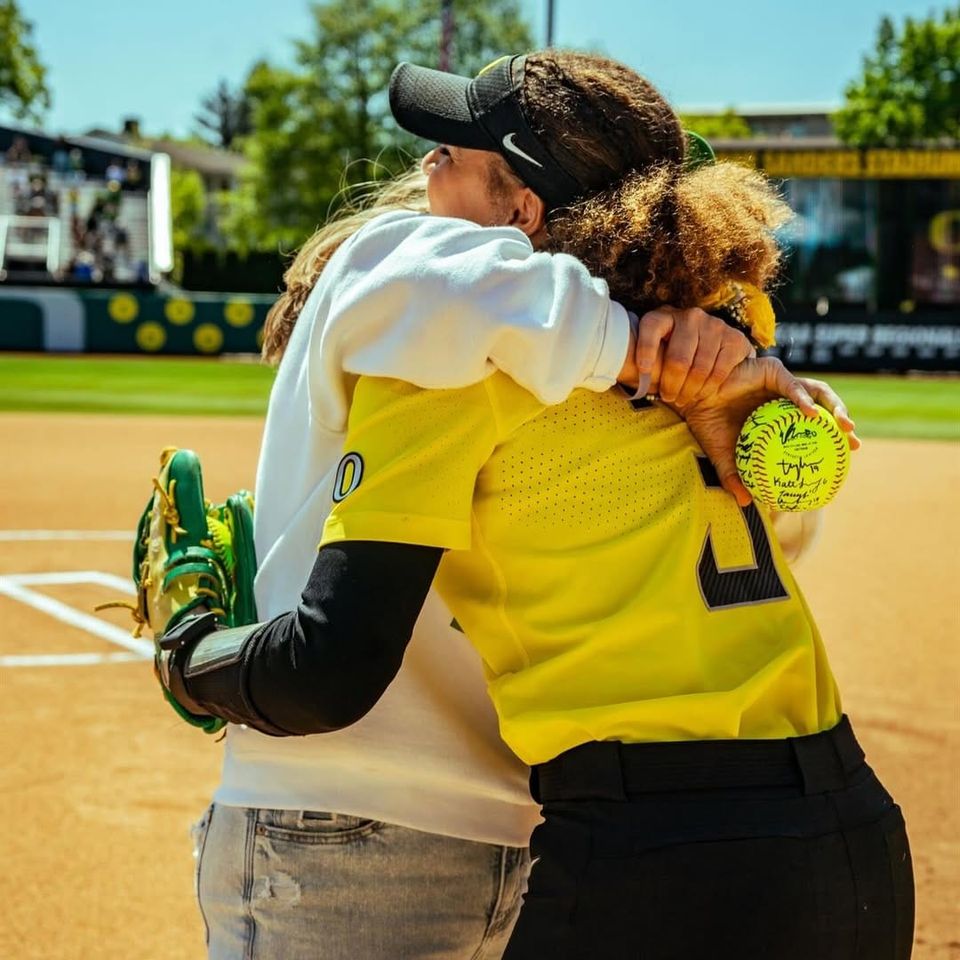
For Amari Harper, softball was always present.
Her mom played at University of Oklahoma softball program during the early years of Patty Gasso’s tenure, and Harper grew up around the sport—going to games, watching practices, and eventually developing her own relationship with softball.
But one of the most interesting parts of Harper’s story isn’t that she followed an athletic path.
It’s that, over time, she learned how to separate her own identity from it.
During her appearance on Out of Left Field, Harper admitted that when she was younger, conversations about her mom’s career could feel difficult to navigate. People immediately made the connection, and while she viewed it as something positive, it still created moments where her story became attached to someone else’s accomplishments.
Amari Harper On AUSL Golden Ticket, Transferring From Texas A&M & Going Pro | Oregon Softball
That experience isn’t unique to softball.
Across college athletics, second-generation athletes often enter the sport with a built-in point of comparison. The family connection can open conversations, create visibility, and shape expectations long before an athlete has fully developed their own identity as a player.
But Harper’s career shows something important:
eventually, every athlete has to make decisions for themselves.
That became especially clear during her recruiting process.
Although Oklahoma was naturally part of the conversation because of her family ties, Harper explained that the recruiting rule changes gave her time to step back and evaluate schools based on what she wanted—not just familiarity or history.
Later, after building a career at Texas A&M Aggies softball, Harper made another independent decision when she entered the transfer portal and moved to Oregon Ducks softball for her final season.
Importantly, she never framed the move negatively.
In fact, she spoke positively about Texas A&M throughout the interview. But she also explained that she felt the need for a change personally and mentally, and wanted to be closer to family during her final year of college softball.
That perspective reflects a larger shift happening across college sports.
For years, athletes were often expected to prioritize loyalty above all else, even when situations no longer felt right personally. But in the modern era of college athletics—where transfers, NIL, and athlete autonomy are increasingly normalized—players are becoming more willing to make decisions based on fit, development, and long-term well-being.
Harper’s story reflects that evolution.
Not because she rejected legacy, but because she learned how to build alongside it instead of inside it.
And now, after receiving a golden ticket into the AUSL, Harper is stepping into another phase of that journey: professional softball.
What makes that moment meaningful isn’t simply her family background.
It’s that her path ultimately became her own.