College Baseball’s Next Front Office Is Already Being Built
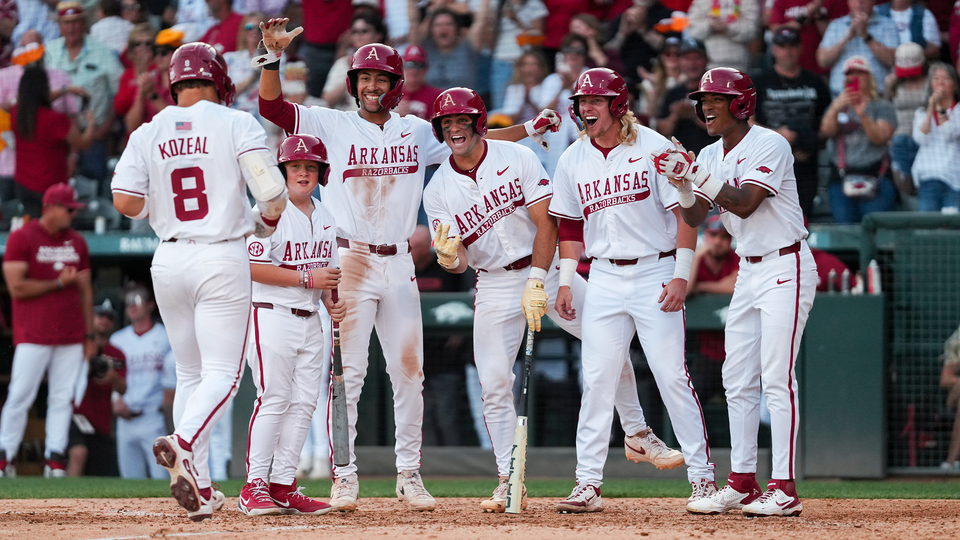
For most of its history, college baseball has mirrored professional baseball from a distance. Programs borrowed the aesthetics first — cleaner uniforms, bigger stadiums, better locker rooms, more advanced technology in bullpens and batting cages — while the internal structure of the sport remained relatively traditional. Head coaches ran nearly everything, assistant coaches handled recruiting and development, and most programs operated with lean staffs built around the limitations of the college model.
That structure is beginning to change.
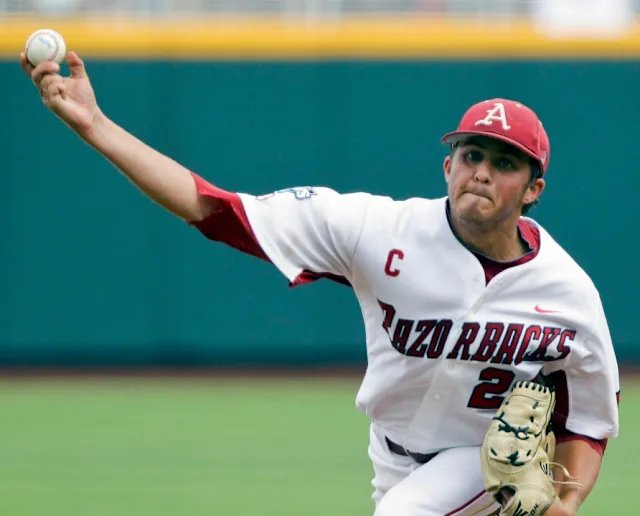
When the University of Arkansas announced former Razorback pitcher DJ Baxendale as the program’s first general manager, it was easy to view the move as simply another former player returning home. In reality, it felt much bigger than that. It felt like another indicator that major college baseball is beginning to evolve into something far closer to a professional organization than the sport has ever seen before.
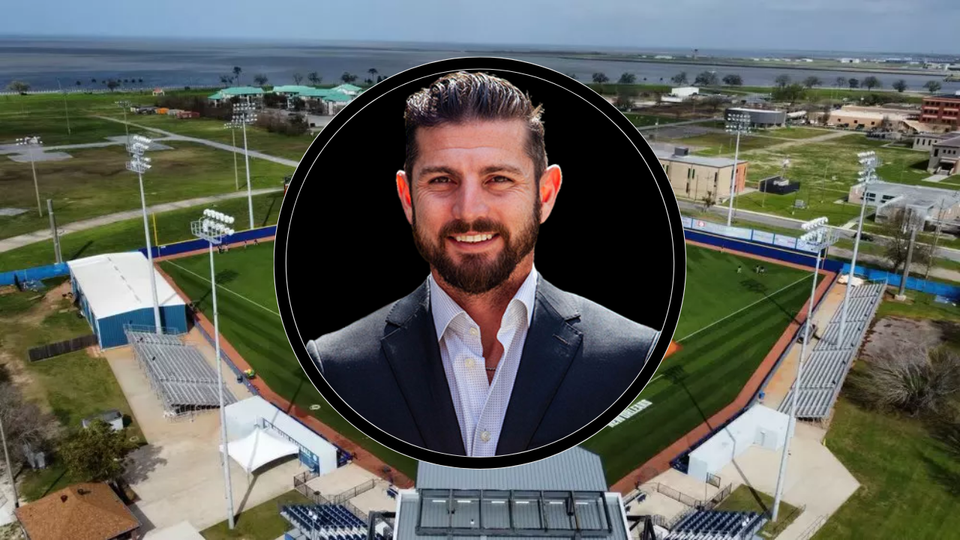
We have already seen the University of New Orleans move in a similar direction with former major leaguer Johnny Giavotella taking on a general manager role. Oregon State has leaned heavily into the integration of analytics, technology, and communication through its DAM Analytics group. Across the country, programs are quietly building infrastructure behind the scenes that mirrors the systems used throughout Major League Baseball player development.
And the timing makes sense.
College baseball is no longer operating in the same environment it did even five years ago. NIL, the transfer portal, revenue-sharing conversations, advanced player tracking systems, year-round recruiting battles, social media branding, and rising financial investment have all accelerated the professionalization of the sport. The programs adapting fastest are no longer simply developing better players. They are building better organizations.
The next wave of competitive advantage in college baseball may not come from a new pitch design model or another recruiting budget increase. It may come from staffing structures that more closely resemble the modern MLB front office and player development ecosystem.
And if that happens, there are several roles that feel almost inevitable.
The General Manager
This role is already arriving.
At the professional level, front offices learned years ago that roster construction, player acquisition, contract strategy, culture management, and on-field coaching could no longer live entirely under one person. The game became too large, too complex, and too financially significant for the manager or field staff to handle everything alone.
College baseball is now reaching that same threshold.
The modern college general manager will likely become a hybrid between roster architect, recruiting strategist, NIL coordinator, relationship manager, and baseball operations executive. As roster movement continues accelerating through the portal, programs will need someone focused almost entirely on talent acquisition, roster balance, long-term planning, scholarship allocation, and player retention.
In many ways, the position becomes less about traditional administration and more about organizational alignment.
Who fits our culture?
Who fits our development system?
Which players project upward over the next two years?
Where are we vulnerable next season?
How do we retain the players we have while continuing to upgrade the roster?
Those are professional baseball questions, and they are quickly becoming college baseball questions too.
The schools that embrace this role early will likely create enormous advantages in continuity and efficiency, particularly as college baseball continues moving toward a more transactional and competitive roster environment.
The Bullpen Coach and Advanced Scouting Coordinator
This may be the role that arrives quietly before people realize how important it becomes.
In Major League Baseball, the bullpen coach is often misunderstood publicly. From the outside, fans sometimes view the position as simply the person answering the phone and getting relievers loose. Internally, many of the best bullpen coaches function as extensions of the pitching coach, the advance scouting department, and the game-planning process itself.
Some of the best bullpen coaches I was around professionally were deeply involved in scouting reports, hitter tendencies, sequencing discussions, and matchup preparation throughout an entire series. They understood opposing swings, swing decisions, chase profiles, hot zones, cold zones, swing planes, and how specific pitch shapes interacted with those variables.
That information matters even more now because modern baseball has become increasingly matchup-driven.
College baseball is heading in that direction too.
As player tracking systems continue becoming more accessible at the collegiate level, programs are accumulating more information than ever before. The challenge is no longer simply gathering the data. The challenge is translating it into actionable communication that players can actually use in competitive environments.
That is where this role becomes valuable.
A future bullpen coach at the college level may help run advance meetings before SEC weekends, build individualized attack plans for opposing lineups, prepare relievers for specific pockets of hitters, communicate in-game adjustments from the dugout to the bullpen, and work directly alongside the pitching coach to ensure continuity between scouting reports and execution.
The ideal fit for the role may not necessarily be a traditional recruiter or full-time pitching coach. It may be a former professional pitcher or catcher who lived inside advanced scouting meetings at the highest levels of the sport and understands how to simplify elite information into competitive clarity.
There is a difference between possessing information and communicating information in a way athletes trust under pressure.
The programs that bridge that gap most effectively will likely gain an enormous competitive edge.
The Special Assistant to the GM / Bench Coach (to the Head Coach)
Professional baseball has used versions of this role for decades, even if the titles have changed from organization to organization.
In Major League Baseball, the bench coach is often the manager’s right-hand man. He helps shape lineups, manages communication throughout the clubhouse, reinforces organizational standards, and handles many of the day-to-day responsibilities that allow the manager to focus on leading the team at a higher level. In many ways, the bench coach becomes the connective tissue between the front office, coaching staff, and players.
He understands the pulse of the clubhouse.
He knows which players need confidence, which players need accountability, which conversations need to happen privately, and which tensions need to be addressed before they become problems. He is often the person helping coordinate roster movement discussions, relaying information between departments, organizing internal communication, and carrying out many of the uncomfortable but necessary responsibilities that exist inside every competitive environment.
That is why I believe college baseball eventually evolves toward a version of this role as well.
The title may become something like Special Assistant to the GM or Bench Coach to the Head Coach, but the purpose will ultimately be the same: organizational alignment.
As programs continue growing in complexity through NIL, the transfer portal, analytics departments, player branding, alumni relations, fundraising, and expanded baseball operations staffs, head coaches will increasingly need trusted people around them who can operate across multiple layers of the organization simultaneously.
This role may not always look like a traditional on-field assistant coach. In some programs, it may be someone who wears a uniform every day. In others, it may resemble a front office-style operator who moves fluidly between player development meetings, recruiting conversations, donor relationships, analytics discussions, and clubhouse management.
The most valuable people in these roles will likely be individuals who understand both baseball and people.
Former professional players, former managers, longtime organizational leaders, or highly respected alumni all make sense because credibility is vital in these environments. Players have to trust the messenger. Coaches have to trust the communication. Front offices have to trust the alignment.
And perhaps most importantly, the head coach needs someone capable of helping manage the emotional and operational weight of a modern college baseball program behind the scenes.
Because as college baseball continues evolving toward a more professional structure, the programs that function most cohesively internally will likely separate themselves externally too.
The Rise of Analytics Storytelling
The schools that win the next era of college baseball may not simply have the best data.
They may have the best communication.
That is why Oregon State’s DAM Analytics approach feels important beyond the numbers themselves. The presentation, the branding, the storytelling; the ability to take information and make players believe in it matters.
The next generation of athletes has grown up in an environment built around feedback loops, visualization, content, metrics, and personal branding. They are comfortable with technology because technology has existed alongside their development their entire lives.
Programs that learn how to merge analytics, media, recruiting, psychology, and storytelling into one cohesive developmental ecosystem may separate themselves dramatically over the next decade.
Because ultimately, data without communication is just information.
But data paired with trust, identity, and storytelling becomes belief.
And belief changes player behavior.
That is where college baseball appears to be heading.
Not just toward better facilities or larger NIL budgets, but toward fully integrated baseball operations departments that blend coaching, analytics, psychology, scouting, communication, recruiting, and business strategy into one connected system.
In many ways, the future college baseball program may look less like the traditional college teams we grew up watching and far more like a professional organization operating under a university logo.
And honestly, that evolution may already be underway.