Stolen Value: What a Stolen Base Is Worth in WAR, and on a Payroll
By Anthony Ranaudo | Business of Ball
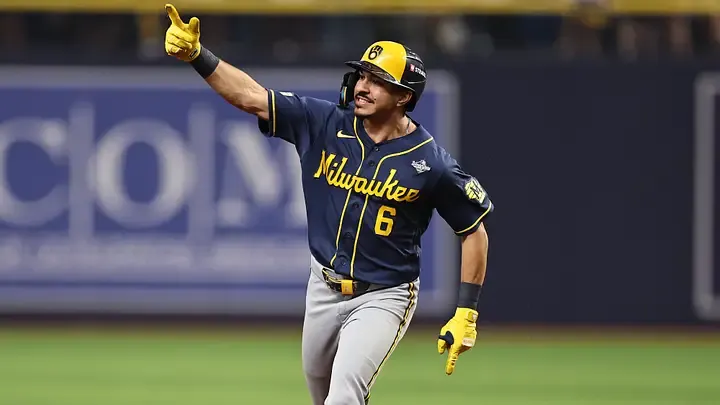
The Detroit Tigers stole 58 bases this season, 29th in baseball. The two clubs playing in the World Series stole nearly three times as many, with the Rays tying for second at 164 and the Brewers fifth at 162, the second- and third-highest totals for any pennant winner since 1995. I made that point recently at Motor City Bengals, but the business question behind it reaches well beyond Detroit: what is a stolen base actually worth, and how does it show up in the number front offices use to price a player?
What WAR actually measures
Wins Above Replacement estimates how many wins a player adds compared with a freely available replacement, the kind of Triple-A veteran a team can sign for the minimum. It's built from runs. A position player's WAR combines his batting, baserunning and fielding value, adjusts for the difficulty of his position, then converts the total into wins at a rate of roughly 10 runs per win. A solid everyday regular sits around 2 WAR, an All-Star lands in the 4-to-5 range, and anything above 6 is MVP territory.
Baserunning is the smallest of those buckets, but it's far from meaningless. A successful steal is worth roughly a fifth of a run, while getting caught costs about twice that, which is why efficiency matters as much as volume. Taking the extra base on a single and staying out of double plays count, too.
Speed is worth most when it's attached to everything else
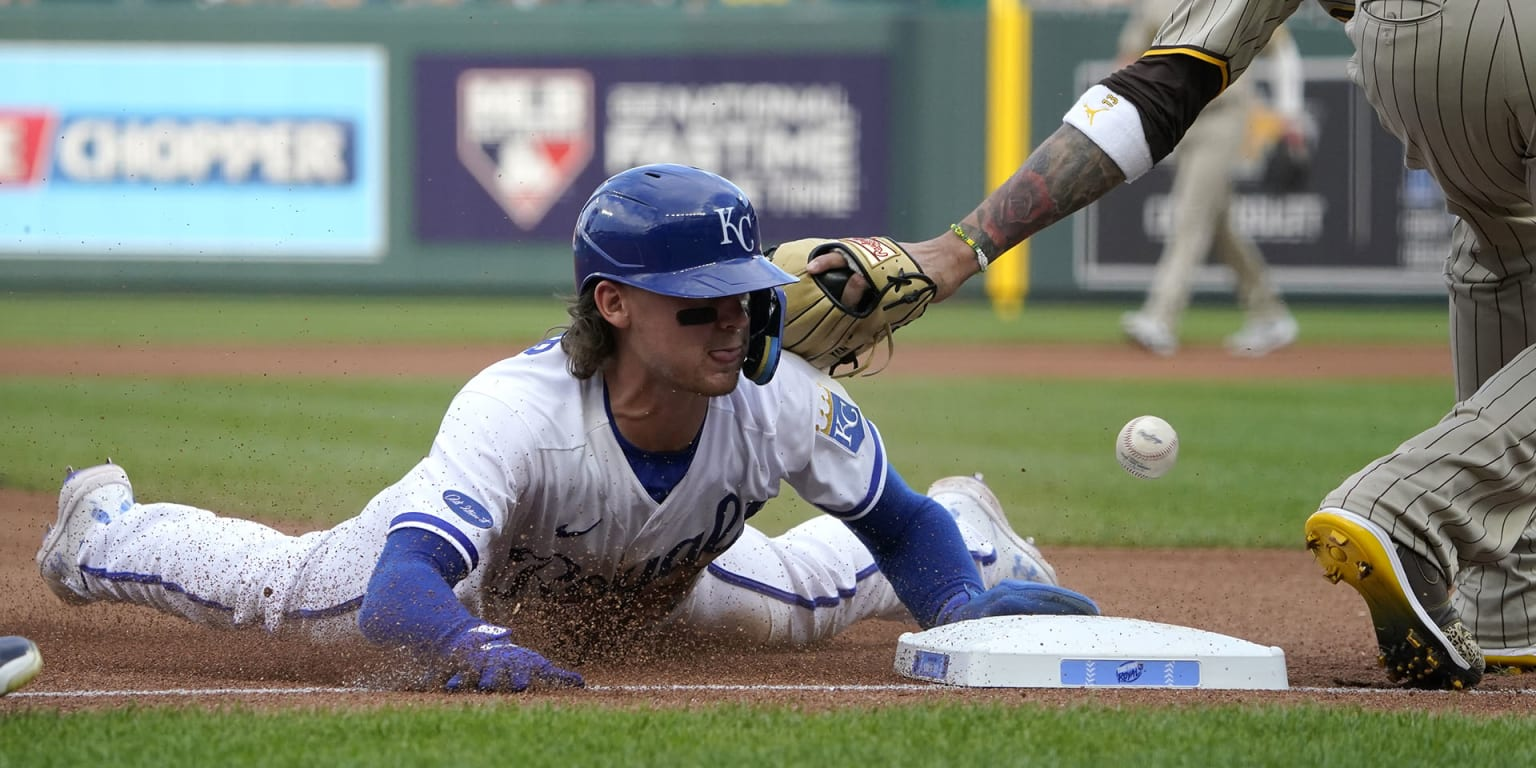
Bobby Witt Jr. shows what speed adds to an already complete player. In what amounted to a down year at the plate, the Royals shortstop stole 45 bases while being caught just eight times, and Baseball-Reference credited him with 11 runs of baserunning value on the way to 6.7 WAR. FanGraphs, which had him at 7.0 WAR, valued that season at $55.6 million on the open market, or roughly $8 million per win.
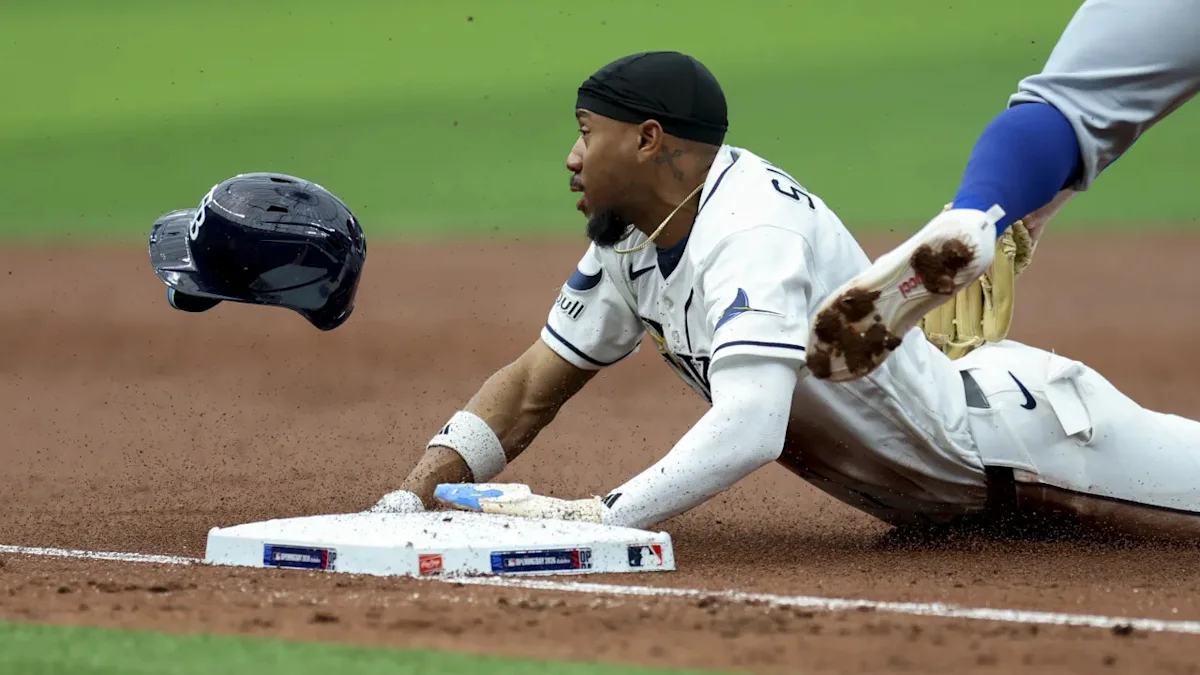
Chandler Simpson offers the contrast. The Rays outfielder led the American League with 46 steals, but he also led it with 14 caught stealing, and Baseball-Reference credited him with only three baserunning runs on the way to 2.5 WAR. Without home run power, his legs have to carry more of the load than any single category can.
Milwaukee runs by committee, with seven players stealing at least 11 bases, led by David Hamilton's 30. Brice Turang stole only 19, yet his power, on-base skills and Gold Glove-caliber defense at second base added up to 7.3 WAR by Baseball-Reference's count, a reminder that the steal is one ingredient in a player's value, not the whole recipe.
Turning wins into dollars
This is where WAR becomes an economic tool. If a win is worth roughly $8 million on the free-agent market, a front office can reverse-engineer what a player should earn, with a 2-WAR regular projecting to around $16 million a year and a 6-WAR star approaching $50 million. Every efficient steal nudges that math, which helps explain why the Brewers and Rays, two of the sport's lower payrolls, lean so heavily on speed. In a sport where one win carries an eight-figure price tag, efficient baserunning is one of the cheapest ways to buy them, and cheap wins are how small markets reach October.