MLB awards show how the CBA can actually help both sides
By Anthony Ranaudo | Business of Ball
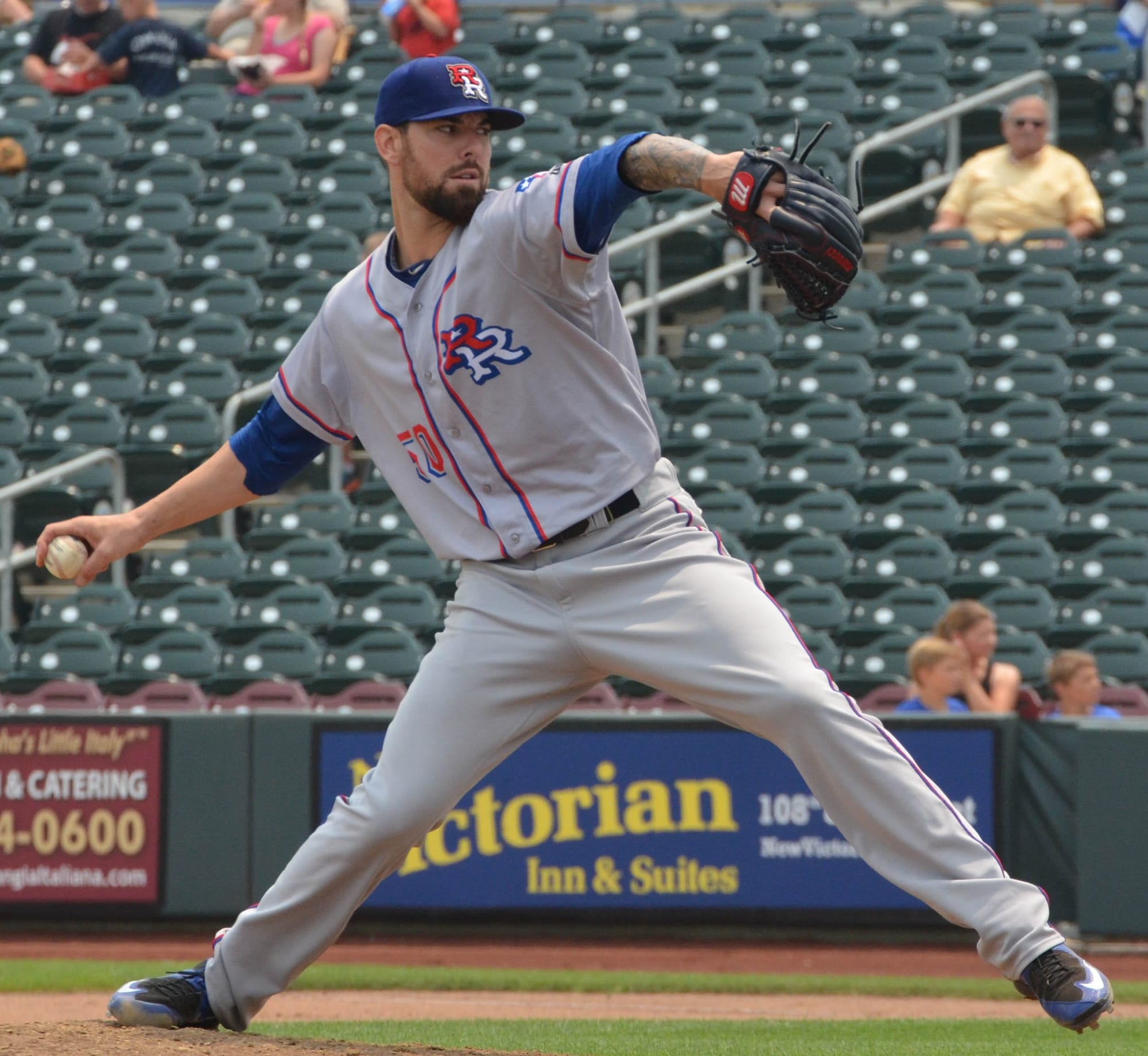
I remember sitting in a Los Angeles hotel lobby with Scott Boras, my advisor for the 2010 MLB Draft, when he asked me a question I didn't understand: would I rather sign for more money, or be a higher draft pick?
I was 20 so I naturally thought those were the same thing. The higher you went, the more you got paid and the better you stood with your organization. Scott saw it differently. He told me I had a decision to make, and his job was to give me all the information so we could make it together.
So he walked me through the organizational landscape (some teams have better player development than others, and Scott cares about his clients) my market value and why he believed in that number. Then he explained that my season and my injuries had changed who would pay it. Teams in the middle and back of the first round liked me, but they'd want me at slot (or below) so they could grab a high-ranked prospect, leverage his situation, and take him as he’s sliding down the draft. If I wanted my value, we had to set a number and hold it. That meant only a handful of clubs would realistically take me: that year it was the Tigers, the Yankees, the Red Sox, maybe one or two more.
Then he asked what I wanted. I told him I wanted to make the most money I possibly could. I didn't know how long this game would last for me, and I wanted to set my family up. So we broke bread, shook hands and waited for draft day.
My college career ended in the Los Angeles regional, head-to-head with Trevor Bauer and UCLA. We were eliminated, and on the flight home the Boston Red Sox took me 39th overall. It was a heavy day, to say the least. At one point, I strongly believed I might have heard my name called in the first round on TV, and I didn't. But I knew the bigger picture, and trusted the process. After a long two months of waiting, I signed at the August deadline for $2.55 million, the largest bonus Boston gave out that year.
Boston was able to make that bet in 2010, because it held three picks in the top 40: Kolbrin Vitek at No. 20, Bryce Brentz at No. 36, and me at No. 39. Extra picks meant extra bonus money and extra swings. Sixteen years later, the Detroit Tigers are in a very similar spot, and the reason runs straight through the collective bargaining agreement.
One day short
For years, teams had every reason to keep their best young players in the minors. A full year of service is 172 days. Hold a ready prospect down for a couple of weeks in April, and you gain an extra year of control before free agency.
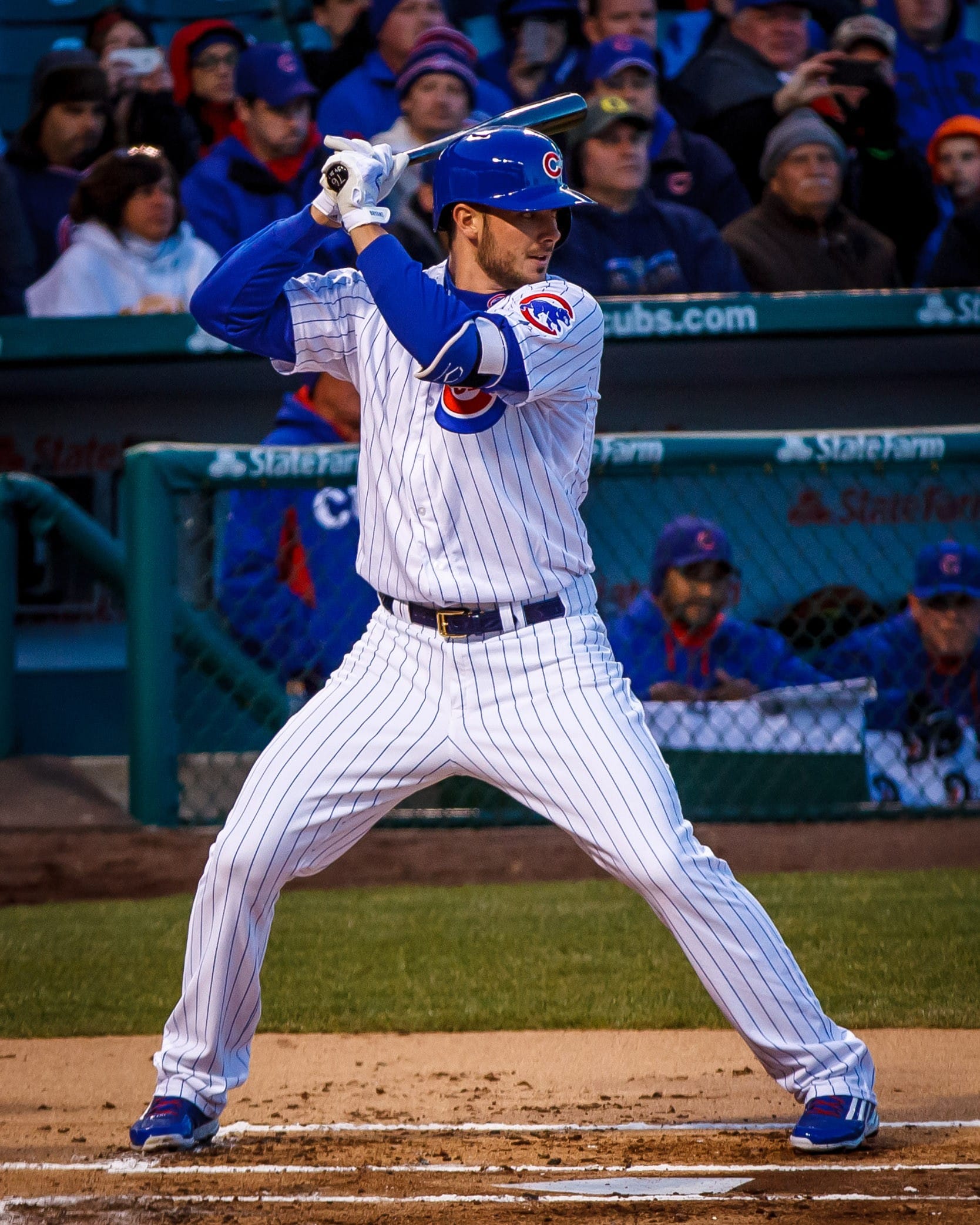
Kris Bryant became the face of it. He led MLB with nine homers in spring training 2015, opened the season at Triple-A anyway, and arrived April 17. He finished with 171 days of service, one short of a full year. His grievance failed in 2020, and his free agency slid back a year. The lesson for players was clear: this wasn't a fight they could win in a grievance room. So in 2022, the union changed the math.
Paying teams to do the right thing
The Prospect Promotion Incentive rewards clubs for promoting early instead of punishing them for stalling. The player has to appear on at least two of the three major preseason Top 100 lists, break camp with his team or arrive within about two weeks, and spend the full year in the majors. If he then wins Rookie of the Year, or finishes top three in MVP or Cy Young voting before arbitration, his club gets an extra pick right after the first round, ahead of free-agent compensation picks. The bonus pool money comes with it: last year's PPI pick at No. 28 carried $3,363,600.
Players got protection, too. A rookie who finishes first or second in Rookie of the Year voting is credited with a full year of service, even if his club held him down. The idea is that this is a good thing unless the team is really trying to expose a loophole like the Cubs did in 2015, where now that Kris Bryant scenario costs the team. Before this year, there wasn’t a ton of effects. From 2023 through 2026, the PPI never produced more than two picks in a single draft. But this year things changed and it showed how the deal could really benefit all sides involved — it produced three draft picks.
A record year
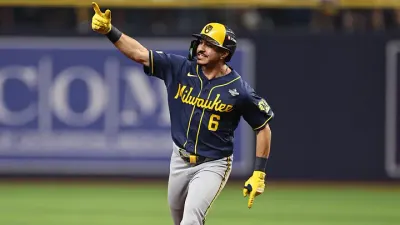
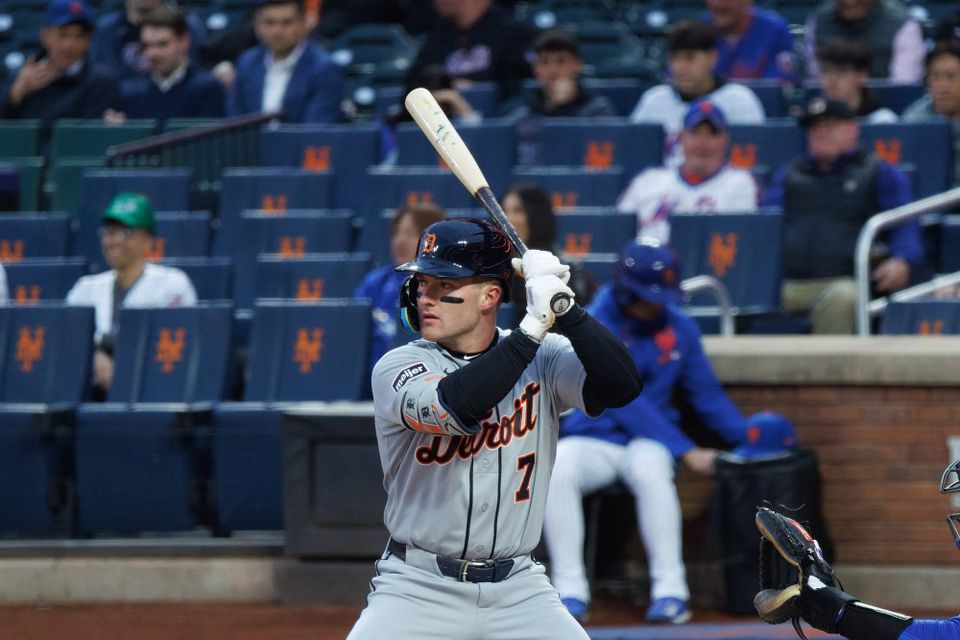
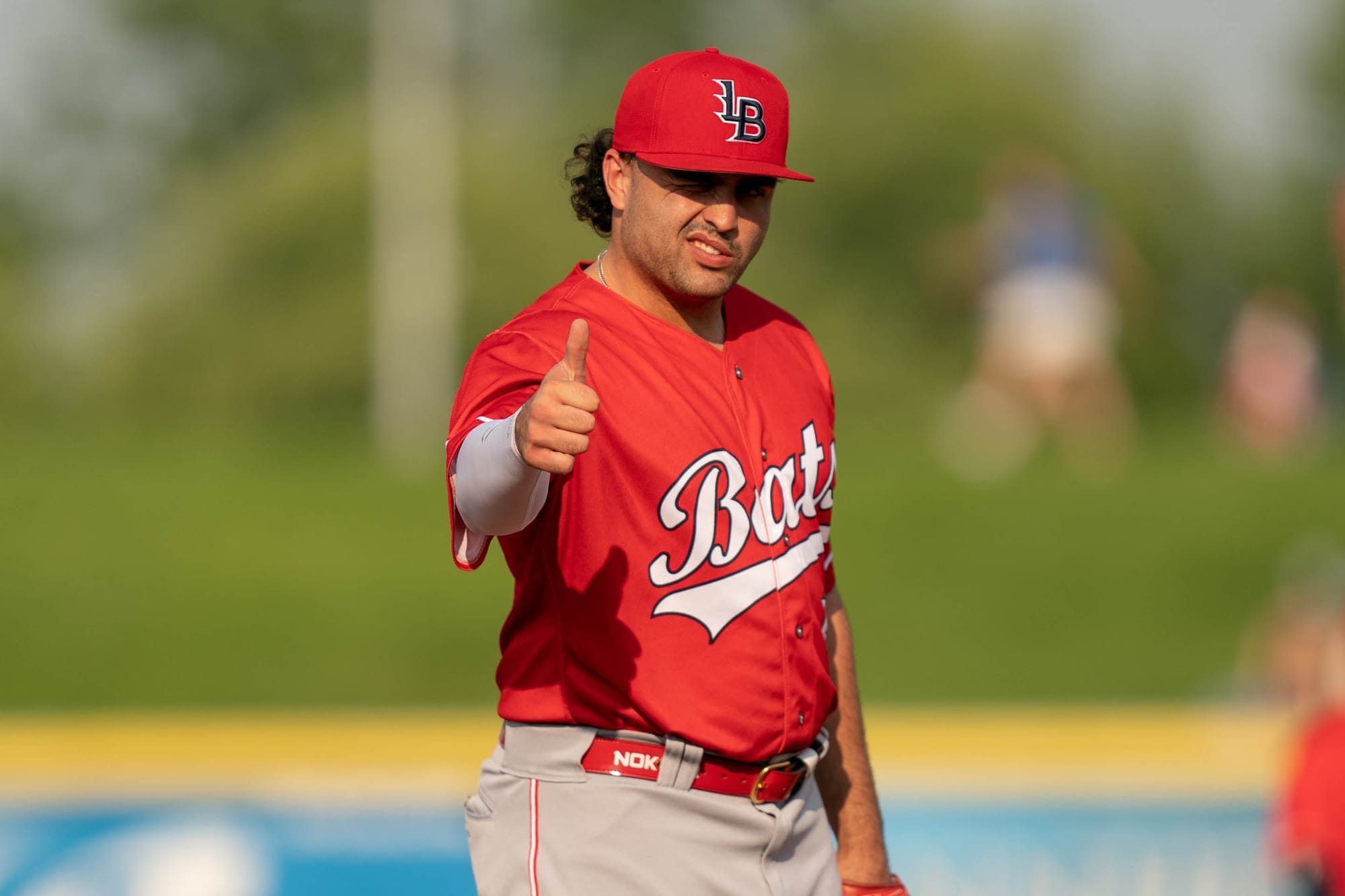
The Tigers hit the biggest when they bet on Kevin McGonigle — he skipped Triple-A to make the Tigers' Opening Day roster and led all AL position players in bWAR for much of the season on his way to AL Rookie of the Year. Sal Stewart batted cleanup for the Reds at 22 and became the first Reds rookie with 30 homers and 100 RBIs, taking the NL award. Parker Messick lost the AL rookie race to McGonigle, but his top-three Cy Young finish earned Cleveland a pick on its own.
That gives the 2027 draft a record three PPI picks, set by regular-season record: No. 28 to the Reds, No. 29 to the Tigers, No. 30 to the Guardians.
McGonigle's year shows how both sides win. Seventeen days into his career, he signed an eight-year, $150 million extension with a $14 million signing bonus, enough to secure his family for generations. Detroit got cost certainty through 2034. Then he backed it all up with a Rookie of the Year, and the Tigers got an extra pick and the pool money on top.
Detroit's deep hand
None of Boston's top three picks in 2010, me included, became what the club hoped. But the extra picks let the Red Sox take swings at the top while their scouts kept working the board. Brandon Workman came in the second round and pitched for the 2013 champions. Mookie Betts came in the fifth and was AL MVP for the 2018 title team.
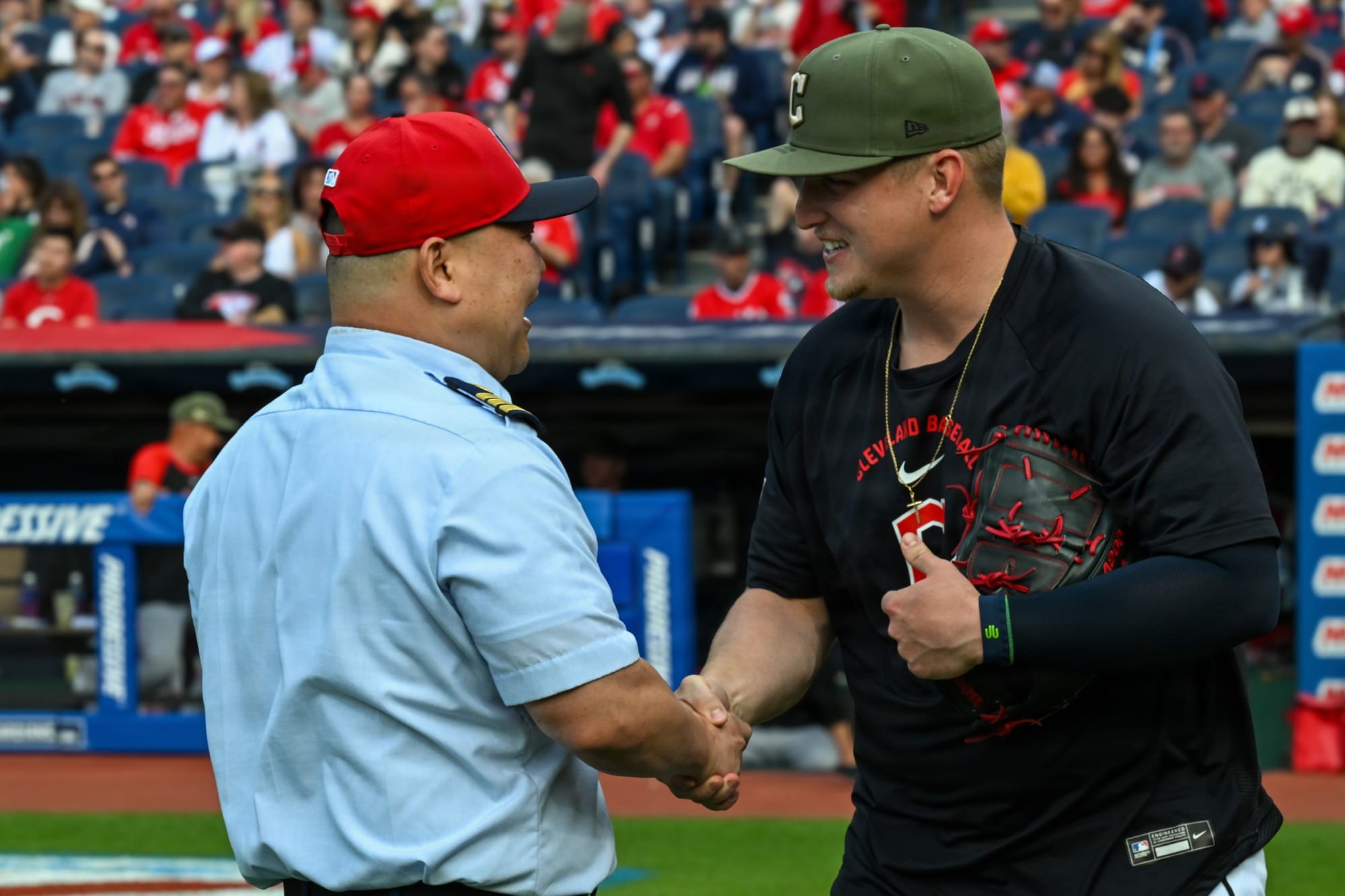
Detroit now holds a similar hand. A 76-86 season puts its own first-rounder in the lottery, McGonigle adds No. 29, and a Competitive Balance pick is possible on top. More picks means a bigger pool, and a bigger pool lets the Tigers take a talented player whose stock dipped over an injury or a narrative, then pay what it takes to sign him.
They just did. Cameron Flukey missed more than two months at Coastal Carolina with a rib stress fracture and made only seven starts. MLB Pipeline ranked him 15th, and he fell to Detroit at No. 22. He signed for $3.8 million, under slot, and the savings helped land 11th-rounder Will Adams for $1 million. It's the same chess match Scott and I played in 2010, from the team's side of the table.
The fine print
The CBA expires December 1, and a lockout is widely expected. The headlines will be about the owners' push for a salary cap, and that fight deserves them. But the MLBPA earned its reputation as the best union in sports through rules like this one. It turned a fight it couldn't win into an incentive teams actually want. Prospects reach the majors sooner, get paid sooner, and the game gets younger.
This week, McGonigle's family was set up for generations, three clubs were rewarded for trusting their kids, and fans got a historic rookie class. Whatever happens in December, most labor deals end with wins on both sides. They're just usually buried in the fine print.