
Why the Yankees–Red Sox Rivalry Still Runs So Deep
Tomorrow night, the Yankees and Red Sox will meet again in October, and for the first time in a while, the rivalry feels different to me.
Not less important or less meaningful, but newer.
For most of my life, Yankees–Red Sox seemed to carry the weight of players who had already established themselves inside the history of it. Derek Jeter represented the Yankees teams that dominated baseball around the turn of the century, while David Ortiz, Dustin Pedroia and others eventually carried Boston through championship teams of their own. Almost every new chapter seemed tied to something that had already happened before.
This version feels different because so many of the players stepping into it are still building their own identities within the rivalry. They aren't simply extending someone else's chapter anymore. They have an opportunity to write one themselves.
Watching that happen takes me back to the night I learned what the rivalry actually meant, which happened to be the night of my Major League debut.
A Yankees Fan in a Red Sox Uniform
I grew up in New Jersey as a Yankees fan, and some of my earliest baseball memories are connected directly to those championship teams of the late 1990s.
I remember the 1996 World Series and Charlie Hayes catching the final out. I was six or seven years old, just beginning to fall in love with playing baseball myself, and I remember my dad talking about this young shortstop named Derek Jeter who had a chance to become the face of the Yankees.
He was right.
By 1997, I was invested enough to be emotional when they didn't win the World Series. Then came 1998, 1999 and 2000, which were basically my formative baseball years. The Yankees weren't simply my favorite team during that stretch and for a kid trying to understand what Major League Baseball was supposed to look like, they represented the standard.
Jeter was at the center of all of it.
Years later, after winning a national championship at LSU, the Red Sox drafted me in the first round, and by that point my relationship with Major League Baseball had already started to change. I wasn't watching the game from the same distance anymore. There was a little more edge to me, probably a little more arrogance too, because I believed I belonged there.
The Yankees were still the team I had grown up loving, but childhood favoritism started to matter less once I was trying to become one of the players on the field. That didn't mean everyone around me adjusted as quickly. I still remember family members almost being unable to believe that I was actually going to sign with Boston because they had known me for so long as the kid who loved the Yankees.
By then, though, the game had gone from something I idolized to something I felt responsible for proving I could be part of. I wasn't choosing sides from the couch anymore. I was trying to build a career.
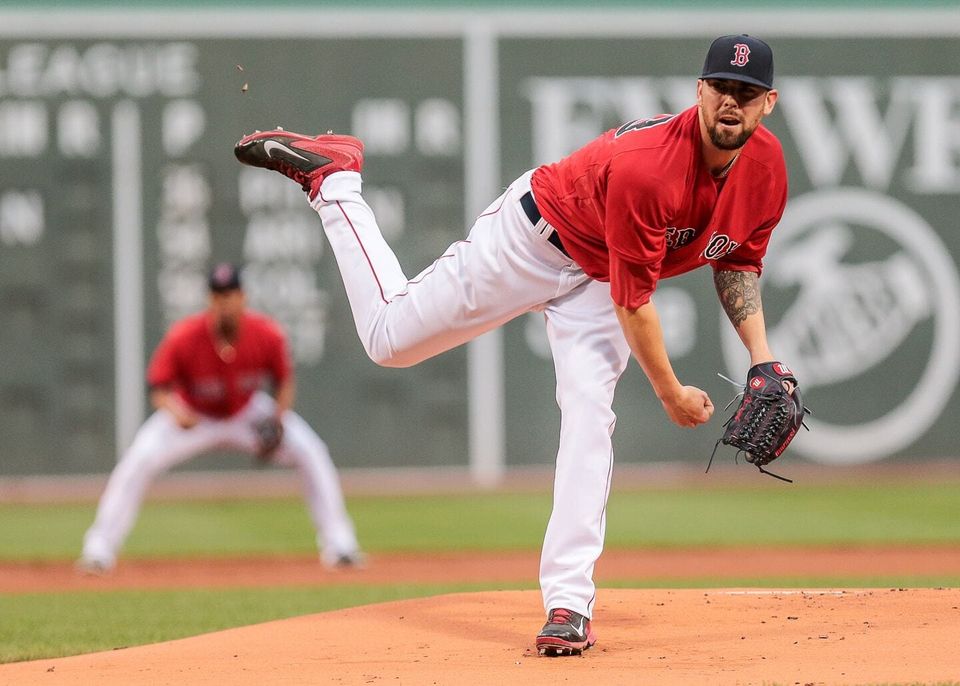
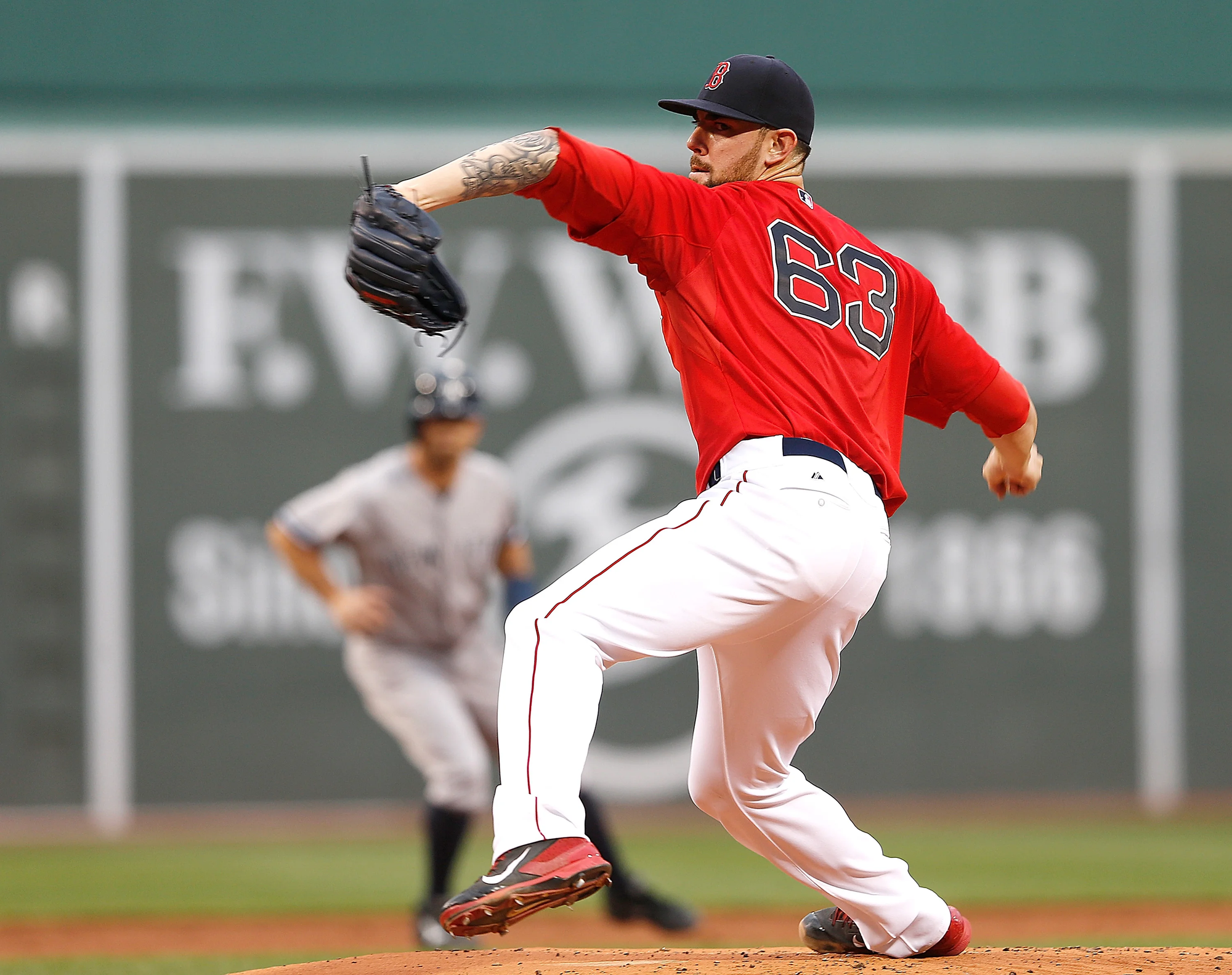
By 2014, I had spent several years in the Red Sox organization, and if you were going to script the setting for my Major League debut, it would have been hard to make it any more storybook: a kid from New Jersey who grew up watching Derek Jeter and the Yankees, now pitching for Boston against that same childhood team on a Friday night at Fenway Park.
August 1, 2014. Red Sox versus Yankees.
The setup sounded almost too perfect. The reality of that particular weekend was much stranger.
The Day After Everything Changed
Boston had won the World Series in 2013, but by the following summer the season had unraveled. The day before my debut, the organization effectively acknowledged where things stood by moving a large portion of the veteran roster.
Jon Lester and Jonny Gomes were traded to Oakland. John Lackey went to St. Louis. Andrew Miller was moved to Baltimore, and Stephen Drew was actually traded across the rivalry to the Yankees. Yoenis Céspedes came back to Boston in the Lester-Gomes deal.
For a rookie arriving in that environment, the clubhouse had an unusual feeling to it.
Some of that was probably my own interpretation as I read the coverage and knew what people were saying about the season, while 2013 had been such an emotional high that almost anything short of another championship run was going to feel like a massive letdown. There were veterans, staff members and people throughout the organization who had just watched friends and teammates disappear from the clubhouse in a matter of days.
Gomes had been such a strong clubhouse personality, and even though I wasn't around him long enough for him to become a major part of my own experience, his absence was noticeable. Lester, Lackey and Jake Peavy were gone too, and I knew David Ross had been close with many of those guys.
So when I came up from Triple-A and found out Ross was catching me, one of my first thoughts was that he probably fucking hated me.
I imagined that I represented everything he didn't want the rest of that season to become: young players getting opportunities because the veterans had been traded and the standings had stopped mattering.
At the same time, having him behind the plate gave me a sense of security. Christian Vázquez had been my guy coming through the minor leagues, so there would have been comfort in pitching to someone I knew that well. Ross offered a different kind of comfort, though. He was a salty vet — he had played in October, caught meaningful games at Fenway and lived inside the Yankees–Red Sox rivalry long enough to understand things I couldn't possibly understand yet.
If I was going to make my Major League debut against the Yankees, he was probably the perfect catcher to have.
The Smell of Fenway
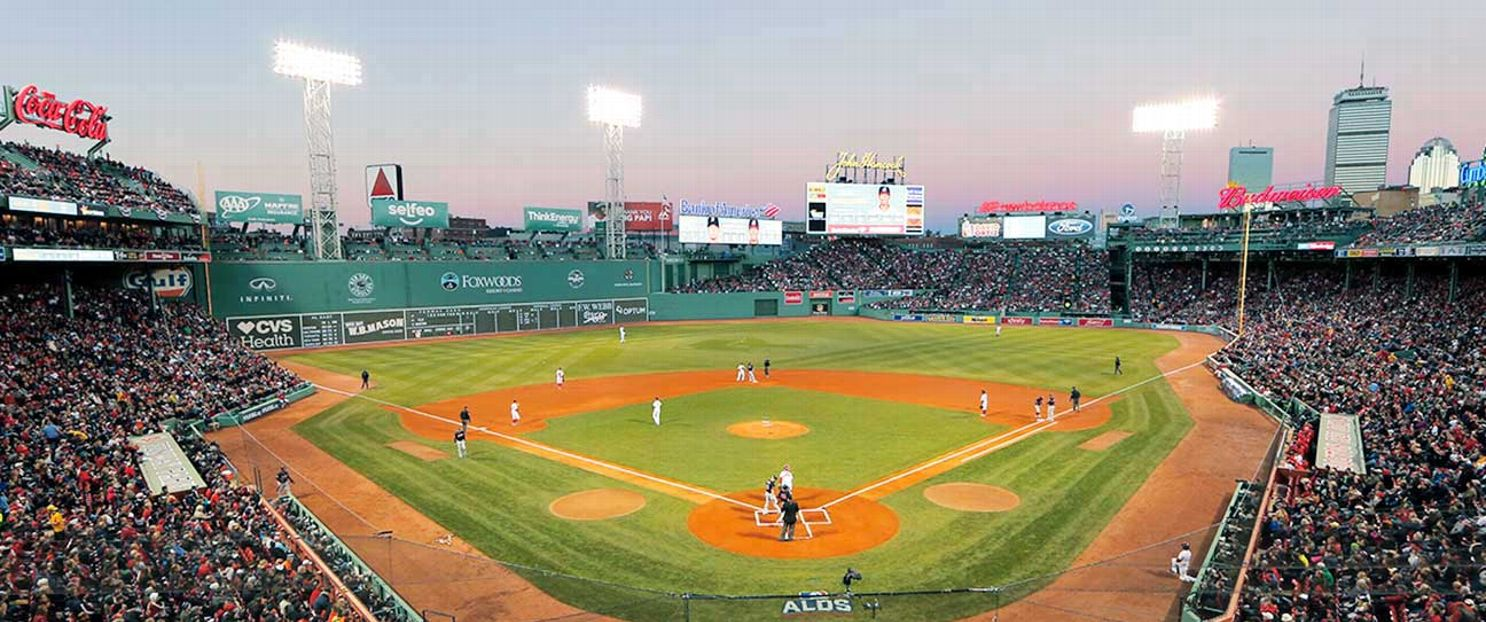
What I remember most before the game isn't the crowd. It is the smell.
That sounds almost ridiculous now, but walking from the dugout toward the bullpen that afternoon was one of the first times I understood the sensory difference between the Major Leagues and everything I had experienced before them. Fenway was already preparing for tens of thousands of people, and everywhere I went there was the smell of hot dogs, grills and food being prepared throughout the stadium.
In the minor leagues, there was never that same need to prepare a building at that scale hours before first pitch. I remember walking across the field and thinking that this was what a Major League ballpark was supposed to smell like. The strange part is that the smells followed me into the moments right before the game.
I was so amped up that I decided not to go onto the field for the national anthem. I stayed underneath the dugout instead, near the indoor cage and warmup area, trying to slow my breathing and calm myself down before taking a Major League mound for the first time.
Standing nearby was Yoenis Céspedes.
He had been acquired from Oakland the day before, so he was essentially walking into the same strange environment that I was, only from the opposite end of the baseball world. I was a rookie making his first start. Céspedes was already a two-time Home Run Derby champion, an All-Star and one of the more recognizable players in baseball.
While I was sitting there trying to control my breathing, Céspedes was casually smoking cigarettes in uniform.
I remember looking over at him almost in disbelief. Here I was trying to slow my heart rate before pitching in front of tens of thousands of people for the first time, while this Cuban superstar who had just been traded across the country was standing a few feet away chain-smoking like it was any other afternoon.
At some point he looked over, gave me a little head nod and acknowledged me with the kind of casual "what's up, papi?" energy that made it pretty clear he had absolutely no idea who I was.
Meanwhile, I'm sitting there thinking something along the lines of, Motherfucker, could you stop smoking cigarettes? I'm trying to breathe over here.
It was absurd enough that it actually helped.
For a few seconds, the enormity of everything disappeared. I wasn't thinking about being a Yankees fan making his Major League debut for the Red Sox or the fire sale that had happened the day before. I was just a nervous rookie underneath Fenway trying to breathe while Yoenis Céspedes smoked cigarettes next to me.
Sometimes the moments you expect to remember aren't the ones that stay with you. I don't remember every warmup pitch from that night, but I remember the smell of food throughout Fenway, the smell of cigarettes underneath the dugout and the realization that something I had spent my entire life chasing had suddenly become real.
Then Brett Gardner stepped into the box. I walked him, and the next hitter was Derek Jeter.
My First Out and My First Strikeout
My childhood hero became my first Major League out when Jeter bailed me out and grounded to second base in the first inning. I remember thinking, “Ok nice, I got my first out, now settle in.....and why the fuck did he swing at that?!?” And then, a couple innings later, I struck him out looking.
I remember thinking in the moment that striking out Derek Jeter was pretty damn cool, but there wasn't much time to process it because the next hitter was already coming to the plate. That is one of the strange things about reaching the Major Leagues. You can experience a moment you dreamed about as a kid, and five seconds later your job is to execute another pitch.
It wasn't until I got back into the dugout that Brandon Workman helped me understand what had actually happened.
He looked at me and essentially said, Derek Jeter being your first Major League out wasn't enough? You had to make him your first strikeout too?
That was when the coincidence finally registered. At six or seven years old, I had listened to my dad tell me that Jeter might become the face of the Yankees. Eighteen years later, he was my first Major League out and first Major League strikeout.
Baseball has a strange sense of humor.
"We're Going to Win This Fucking Game"
The moment from that night that has stayed with me most, though, had nothing to do with Jeter.
It was David Ross walking to the mound.
I don't remember every detail that led to the visit anymore, and twelve years has a way of blurring individual pitches and sequences. What I remember clearly is there was some sort of jam, or it was one of the first video replays I ever experienced, and David Ross standing there, telling me, "We're going to win this fucking game."
That hit me differently than any mechanical cue or scouting-report reminder could have.
Here was a veteran catcher whose close friends and championship teammates had just been traded away. The standings were an embarrassment, and the front office had already made its intentions for the rest of the season fairly clear. If anybody had an excuse to mentally check out, at least from the perspective of a rookie who had just arrived, I thought it might be someone like Ross.
Instead, he cared enough about winning that game to walk to the mound and make sure I understood that he expected me to care just as much.
Whatever assumptions I had made about the veterans disappeared immediately. My reaction was basically, Fucking right we're going to win this game (I didn’t know there was another choice). From that point, everything became simpler. Execute pitches, get outs and stop thinking about all the circumstances surrounding the game.
We won 4–3, and I went six innings while allowing two runs on four hits before Koji Uehara closed it out in the ninth.
For everyone else, it was one game during a disappointing Red Sox season. For me, it was the first time I understood Yankees–Red Sox from the inside.
Jeter's Last Day
Less than two months later, the season ended almost exactly where my Major League career had begun. Fenway Park. Yankees–Red Sox. Derek Jeter's final Major League game.
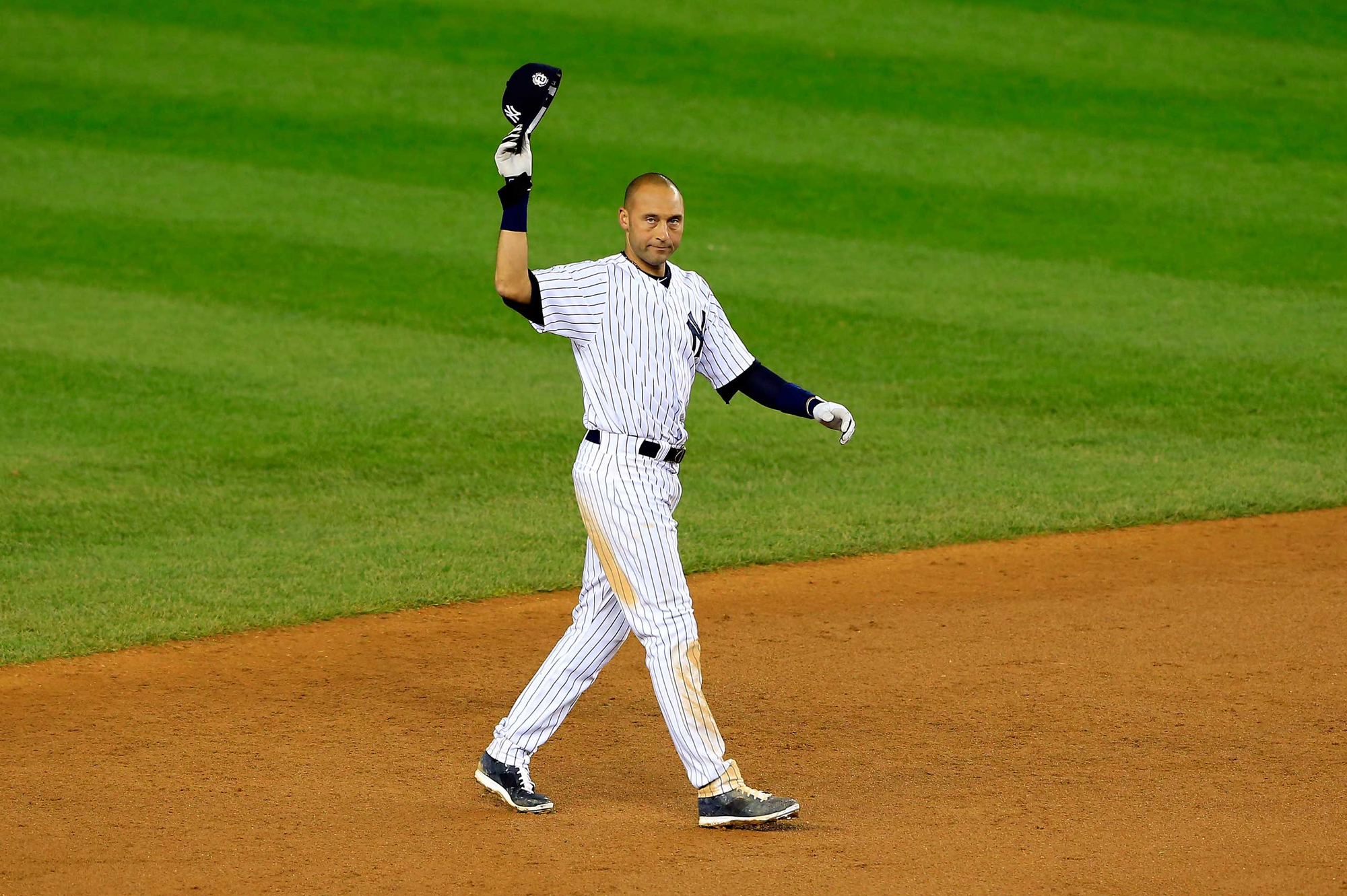
Before the game, the entire Red Sox roster came onto the field for a ceremony honoring him. One of my clearest memories is Joe Kelly pulling out his phone and taking a selfie with Jeter.
Today, nobody would think twice about that. Athletes document everything, cameras are everywhere and almost every meaningful moment becomes content within seconds. In 2014, though, people couldn't believe Joe had his phone on the field.
What I do really remember more than the ceremony itself was the respect, though.
Pedroia, Ortiz and Ross understood what Jeter represented because they had spent years competing against him. The coaches, clubhouse staff and people throughout the organization understood it because many of them had been living Yankees–Red Sox long before I ever arrived.
Jeter had been the enemy for two decades, but Fenway gave him his flowers anyway. For someone who had grown up idolizing him, there was something surreal about standing there in a Red Sox uniform watching his career end.
What Rivalry Actually Means
Growing up, I thought Yankees–Red Sox was mostly about dislike because that is how rivalries are usually packaged when you're a kid. You love your team, so naturally you are supposed to hate the other one.
Playing in it changed that for me.
What gave Yankees–Red Sox its power wasn't simply that the two sides disliked each other. It was that people cared deeply about what the uniforms represented and understood that certain games carried a responsibility beyond whatever the standings happened to say.
David Ross taught me that on August 1, 2014. Our season was going nowhere, many of his closest teammates had been traded away and I was a rookie he barely knew. None of it changed what he believed that game required from us. Then, less than two months later, I watched the Red Sox organization stop and honor one of the greatest Yankees of all time because respect for the history of the rivalry mattered too. Those two experiences don't contradict each other. To me, they explain it.
A New Generation Gets Its Turn
That is why I'm excited about this version of Yankees–Red Sox.
The 2026 Wild Card Series gives another group of players the opportunity to establish what their own relationship with the rivalry will ultimately become, and Cam Schlittler offers a strange bit of symmetry for me. He grew up in Massachusetts as a Red Sox fan and eventually became a Yankee, while I grew up in New Jersey watching Jeter and those championship Yankees before eventually making my Major League debut for Boston against them.
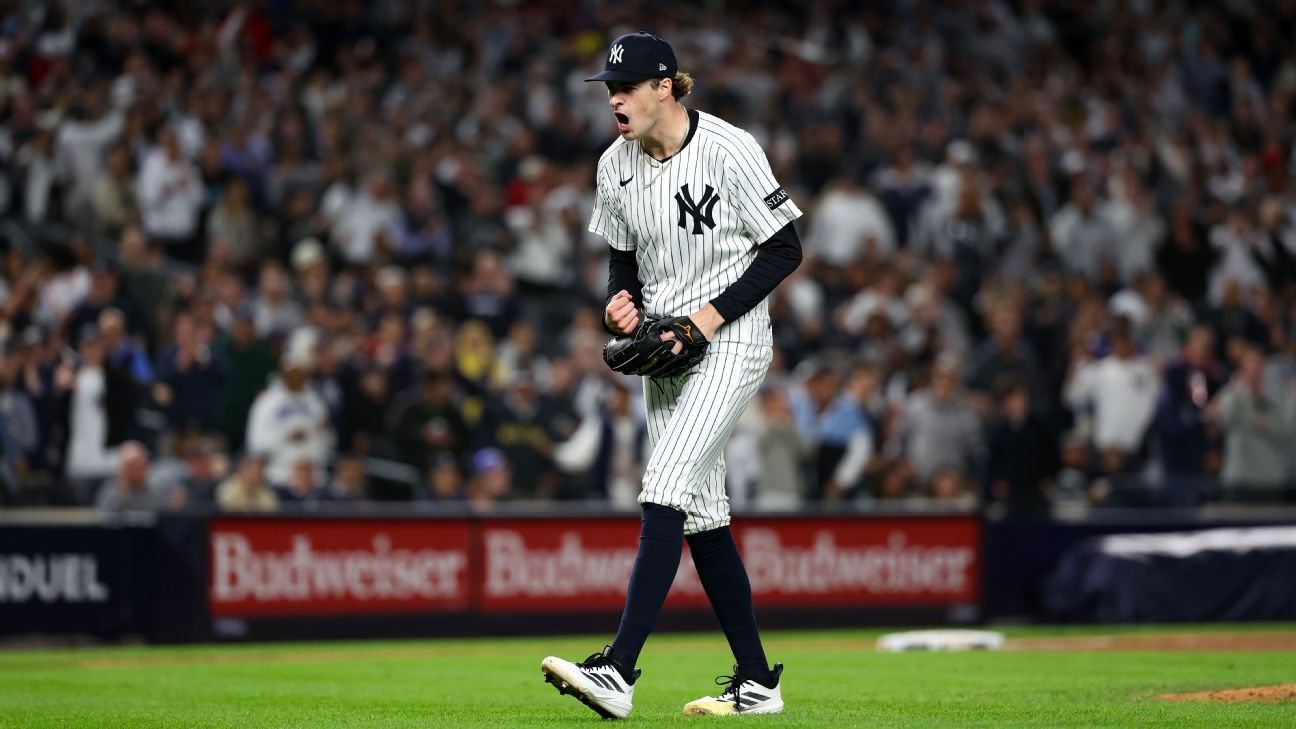
Our careers and roles in this rivalry are not comparable, nor am I trying to make them so. Schlittler has already created his own significant moments in a Yankees uniform and has a chance to become a major part of where this rivalry goes next.
What I relate to is something much smaller.
The team you grow up loving teaches you what the rivalry looks like from the outside. Professional baseball can eventually hand you a different uniform and force you to understand what that same rivalry asks from the people standing inside it.
That is what happened to me in 2014, and it is why I'm less interested in forcing comparisons between this generation and Jeter, Ortiz, Pedroia or anyone else who came before them. These players don't need to recreate somebody else's Yankees–Red Sox.
They get to establish their own version of it.
There are players on both sides who will eventually have moments permanently attached to this rivalry, and one of the best parts about October is that none of us know what those moments are yet. Somebody will get a hit, make a pitch, take a mound visit or do something seemingly ordinary that will become part of how people remember this series years from now.
I spent my childhood thinking Yankees–Red Sox belonged to the legends who had already created it. Then one Friday night at Fenway, I walked onto a Major League mound and learned that rivalry is really about responsibility. For however brief a period of time you wear one of those uniforms, you inherit something from the people who wore it before you, and eventually you leave something behind for the people who come next. Twelve years later, another group of players gets that opportunity.
Now we get to find out what they do with it.