From DMs to Deals: How Athletecon Is Rewiring NIL Access Through Athletes Like Geanice Morales
There’s a version of the NIL era that dominates headlines—the million-dollar deals, the quarterbacks, the stars who were already visible before the rules changed.
And then there’s the version that’s actually shaping the future of college sports.
It looks a lot more like Geanice Morales.
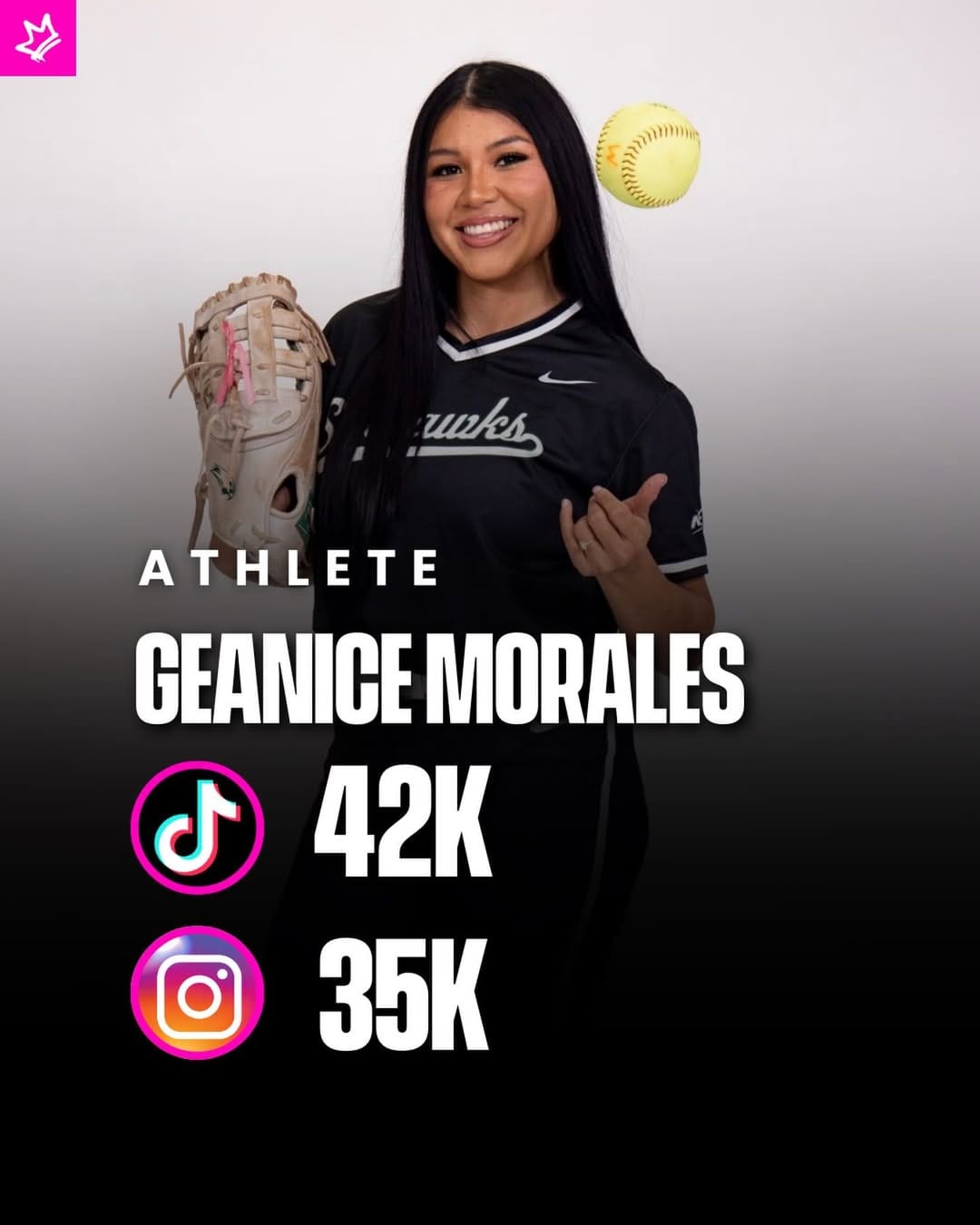
A Wagner softball captain. A transfer. A player who, at one point, wasn’t even in the lineup. And now—40+ brand deals, a partnership with Nike, and a growing audience across multiple platforms.
That doesn’t happen by accident.
It happens when someone understands how to turn attention into opportunity—and when there’s a system behind it.
That system is what Athletcon is starting to build.
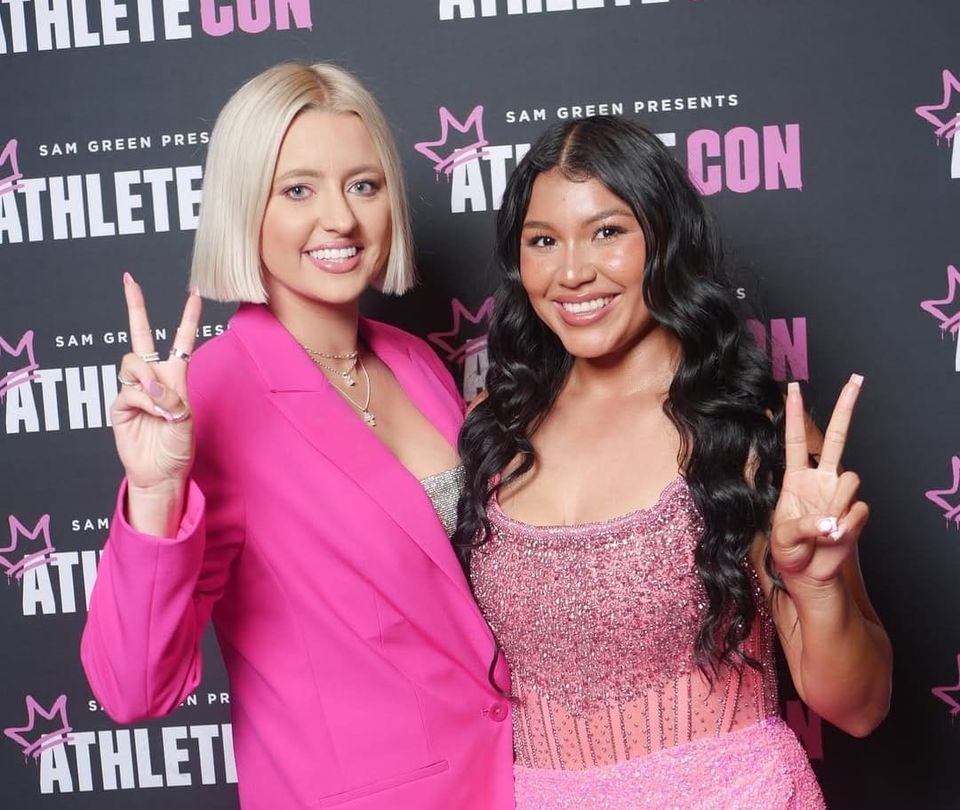
Athleticon, founded by Sam Green, is an athlete-focused NIL education and networking platform designed to help college athletes understand, access, and monetize their personal brand. Through a mix of content strategy guidance, brand connections, and hands-on mentorship, Athleticon is building a system that teaches athletes how to operate in the NIL economy—not just participate in it.
From the Transfer Portal to 40+ NIL Deals | Geanice Morales on Softball, Mindset & Building a Brand
The Gap NIL Created
When Name, Image, and Likeness (NIL) rights opened up, they unlocked earning potential—but not access.
There was no universal playbook. No onboarding process. No clear path for athletes—especially in sports like softball—to understand how to actually monetize their value.
So the market split quickly. Athletes with built-in attention capitalized; everyone else was left trying to figure it out in real time.
The issue wasn’t talent.
It was infrastructure.
Athletcon is positioning itself as a bridge between those two worlds—where athletes aren’t just told NIL exists, but are shown how to operate inside it.
“Just Start Posting” Isn’t Random Advice
When Geanice Morales decided she wanted to get into NIL, she didn’t start with a brand deal. She started with a conversation.
After connecting with Green, the guidance was simple:
Post every day.
Not occasionally. Not when it’s convenient. Every day.
So she did.
For nearly a year, Morales posted consistently—learning trends, testing formats, refining her voice, and building a relationship with her audience. In that span, she grew from around 1,000 followers to over 20,000 on Instagram alone .
That’s the result of a repeatable system—one that prioritizes consistency, visibility, and platform fluency over one-off viral moments.
Athletecon didn’t just tell her to “be active.” They gave her a framework to scale.
Turning Content Into Currency
The first real breakthrough didn’t come from a formal partnership. It came from a test.
Morales created content about a brand without being paid—just to see if it would get noticed.
It did.
The brand responded. A conversation started. That turned into a relationship. And eventually, that relationship became a paid deal .
That sequence—attention to engagement to revenue—is the foundation of the modern NIL economy.
And once it clicked, it compounded.
Morales has since worked with more than 40 brands, including Meta, NCAA-affiliated campaigns, and Nike—her self-described dream partnership .
Why Softball Is a Perfect Case Study
Softball doesn’t have the traditional advantages of major revenue sports.
Less national TV exposure. Fewer built-in media pipelines. Limited mainstream coverage.
And yet, athletes like Morales are breaking through.
Not because the system favors them—but because the system is changing.
Instead of relying solely on performance metrics, NIL rewards something different: connection.
Morales didn’t build her platform by only posting highlights. She built it by talking about the parts of the sport most athletes avoid—slumps, pressure, burnout, and self-doubt.
She shared the reality of seeing pitches down the middle and being too in your head to swing. The frustration of not playing. The mental side of the game that rarely gets airtime.
“I’ve been there,” she explained when talking about why she creates content the way she does .
That relatability became her edge.
In the NIL era, being understood can be just as valuable as being elite.
Athletecon’s Real Role: Translating Value
What Athletecon is building isn’t just exposure—it’s translation.
Because most athletes already have value. They just don’t know how to package it.
Athletecon sits at that intersection of teaching athletes how to create content that performs, helping them understand how brands evaluate influence, connecting them to opportunities, and providing a structure that turns effort into results.
It’s not replacing the traditional path of development; it’s adding a second track—one that runs alongside performance and, in some cases, outpaces it.
The Second Job No One Sees
From the outside, NIL can look simple.
Post a video. Get a deal. Repeat.
In reality, it’s closer to a second full-time job.
Every piece of content requires planning, filming, editing, trend awareness, engagement, and consistency across platforms.
Morales managed that while being a full-time college athlete—balancing lifts, practices, travel, and games with daily posting.
That workload is the hidden cost of NIL.
It’s also the barrier that keeps most athletes from fully capitalizing on it.
Athleteecon lowers that barrier—not by removing the work, but by giving athletes direction.
From Undervalued to Unignorable
One of the most telling parts of Morales’ journey is when her growth actually happened.
Not during a breakout season. Not after a major performance.
But during a period where she wasn’t playing.
She built her platform while she was on the bench. No stats. No highlights. No traditional leverage.
Just content.
That flips the old model completely.
For years, value in sports was tied almost entirely to performance.
Now, there’s a second currency: attention.
And once an athlete builds it, it doesn’t reset with a depth chart.
The Bigger Shift
Athletecon isn’t the reason NIL exists, but it may be one of the reasons it becomes sustainable.
Because without structure, NIL is uneven—favoring the already visible and leaving everyone else guessing.
With structure, it becomes scalable, teachable, and repeatable.
Geanice Morales isn’t an outlier. She’s an early example of what happens when athletes are given both the tools and the system to understand their value.
The next wave of NIL success stories won’t just come from top recruits. It’ll come from athletes who know how to build.
And platforms like Athletecon are making sure they can.