

Why Team USA’s Megan Faraimo Is Pushing For Global Growth Amid A Shifting International Landscape
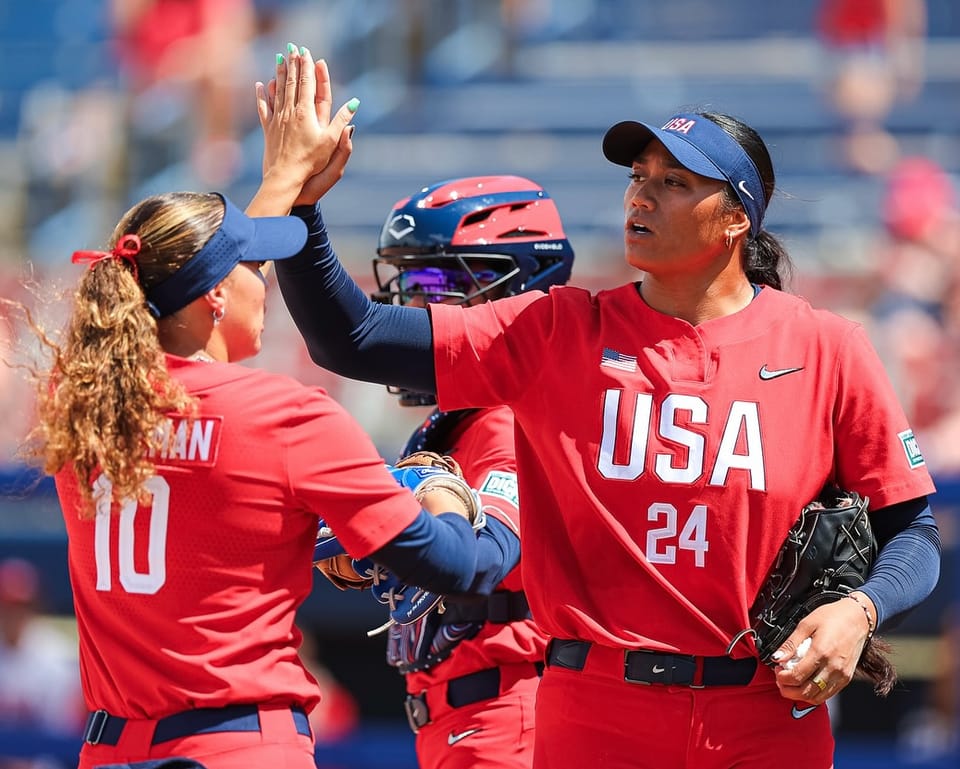
Right now, American softball feels alive.
The stands are fuller. Media coverage is broader. Professional opportunities are expanding. For players growing up in the United States, the pathway — from youth ball to college to pro — has never been clearer.
But that clarity isn’t universal.
For Megan Faraimo, one of the most accomplished pitchers of her generation, that contrast has become impossible to ignore — and impossible to accept without action.
“I think it’s hard being in America and playing in America and seeing how big the sport really is and is growing,” Faraimo said. “But if we think on an international level, it’s either kind of staying the same, going down, or still way less popular than it is here.”
Her perspective isn’t pessimistic. It’s informed — shaped by competing in the U.S., overseas, and on the international stage. And it reframes what growth actually means for softball’s future.
The American Game Is Doing Something Right
The numbers back up what fans feel.
In the United States, fast-pitch softball remains one of the most played girls’ sports. Millions of athletes participate annually, with strong youth and high school pipelines feeding one of the most competitive college ecosystems in women’s sports. College softball continues to post record-setting viewership, while professional leagues like the AUSL are giving elite players structure, visibility, and longevity.
From a business standpoint, the U.S. model works because it’s supported by:
- Consistent youth participation
- Institutional backing at the collegiate level
- Media normalization
- Clear development pathways
This is the environment that produced athletes like Faraimo — and it’s worth protecting.
Zooming Out Changes the Picture
What Megan has learned, however, is that softball doesn’t look like this everywhere.
“The sport in America looks way different than how softball looks in other countries,” she explained. “In Mexico there’s interest, but it’s not fleshed out the way it is in the States.”
Even countries with deep softball history face challenges.
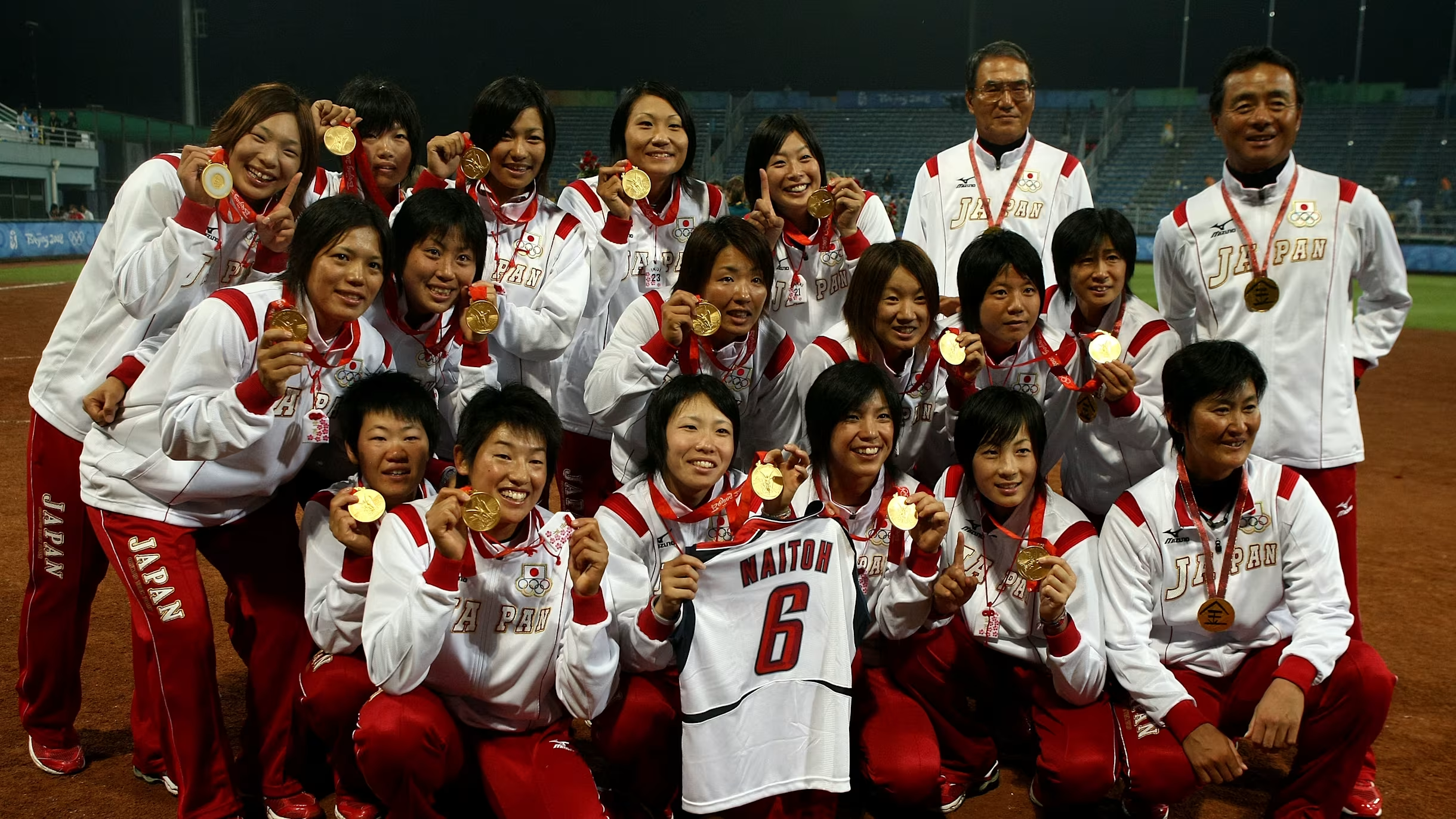
“Japan professional softball has been around for a really long time — years and years — but right now the sport is actually on a decline,” Faraimo said.
“And then in Australia, they just took softball out of schools.”
These aren’t abstract issues. They directly affect who gets access to the game, who stays in it, and whether future generations even see softball as an option.
Globally, softball is played in over 100 countries, but elite competition and sustainable infrastructure remain concentrated among a small handful of nations. Olympic tournaments feature limited fields. Funding fluctuates. Youth development varies dramatically by region.
Interest exists — opportunity often does not.
Why Dominance Isn’t the Point
When Team USA wins decisively, the reaction from fans is often predictable.
Some celebrate. Others dismiss international play as uncompetitive.
Faraimo sees something else entirely.
“The mission of that trip specifically — to grow softball — was just something that’s been close to my heart for a really long time,” she said of Team USA’s recent international competition. “I don’t think people realize how different the game looks globally.”
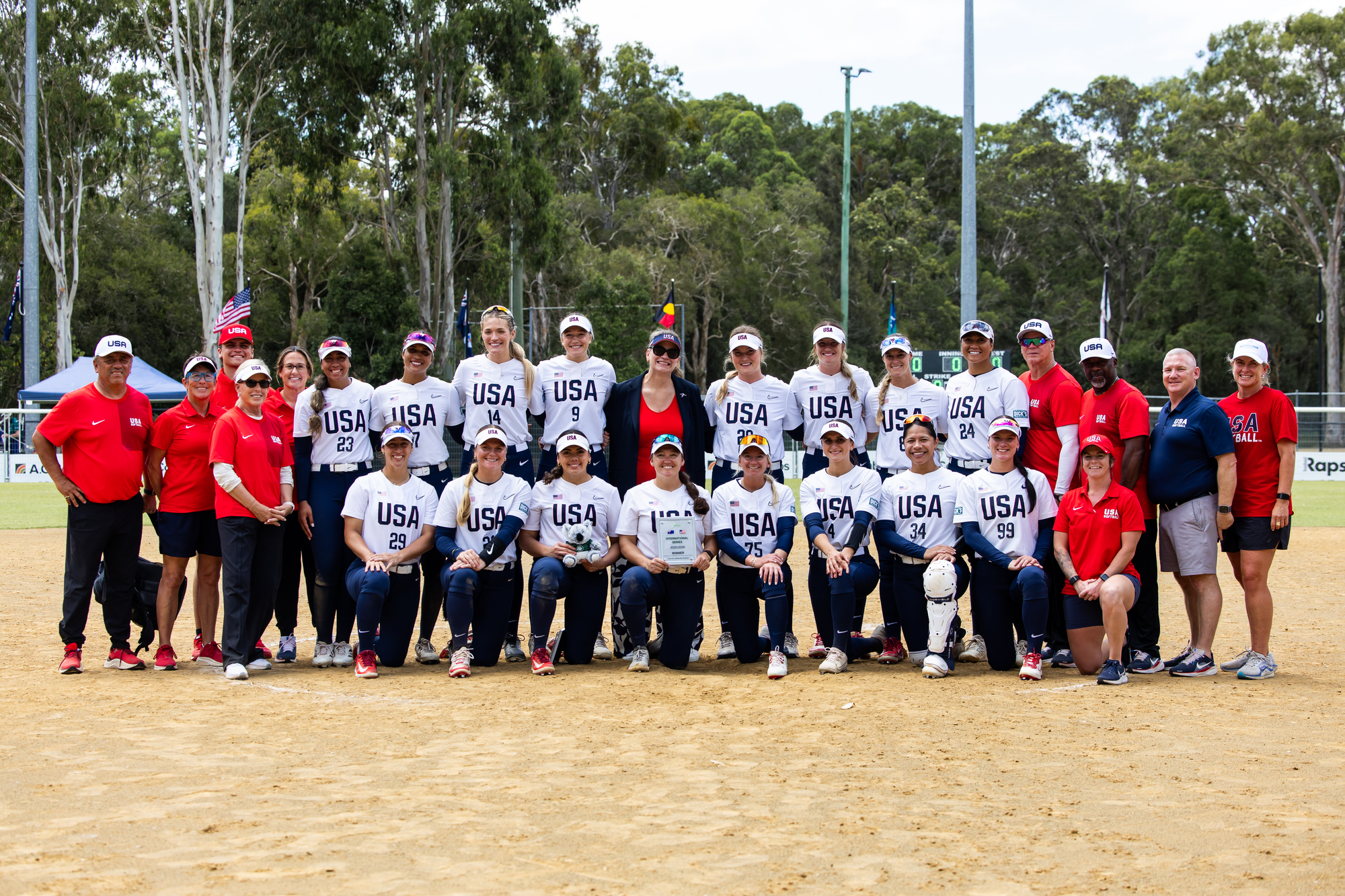
For her, dominance isn’t the goal — sustainability is.
“I think about not just 2028 or even 2032,” Faraimo explained, referencing the Olympic cycle. “I think about the longevity of the game that I love so much.”
That framing is vital.
Because if softball’s highest level is only accessible — or competitive — in one country, the sport doesn’t expand. It contracts.
The Olympics as Opportunity, Not a Finish Line
The Olympics remain softball’s most powerful global catalyst. Inclusion forces investment, legitimizes national programs, and creates urgency around youth development.
But Faraimo is clear that the Games alone aren’t enough.
“If it’s an Olympic sport — a solid Olympic sport — that can only be good,” she said. “But it has to be supported in between.”
That’s why Team USA’s international trips mean more than wins. Camps, clinics, and community engagement are just as important as box scores.
“We ran a camp out there and there were girls and boys who just wanted to learn so much,” she said of Australia. “Seeing how it impacted them — that was the best part of the trip.”
That impact is how growth becomes real.
What Growth Actually Looks Like
Global softball doesn’t need charity. It needs systems.
Sustainable growth means:
- Youth-first development internationally
- Coach education and resource sharing
- Consistent competition pathways
- Visibility beyond Olympic years
- Collaboration, not isolation, from dominant nations
And perhaps most importantly, it requires perspective.
“I want as many people as possible to even know this is something they can do — and have a future in,” Faraimo said.
That future doesn’t diminish American softball. It strengthens it.
A Game Worth Sharing
Megan Faraimo isn’t advocating from fear. She’s advocating from gratitude.
Grateful for what the game gave her — and intentional about what it should give others.
Softball doesn’t need to choose between American success and global growth. It needs leaders willing to hold both truths at once.
The game is rising here.
The opportunity is to help it rise everywhere.
And that’s how sports last.