What Is the PSL — and Why Professional Softball Is Expanding Again?

Another professional softball league is coming.
The Professional Softball League (PSL) has announced plans to begin play in summer 2026, adding a new domestic professional option to a softball ecosystem that is actively expanding — and maturing.
At a glance, the PSL announcement feels familiar: city-based teams, a traditional league structure, and a summer season designed for regional fan engagement. But as with any new professional league, the most important story lives beneath the headline.
What exactly is the PSL?
Why did it form now?
And what signals legitimacy — versus what is still being built?
What the PSL Is (Structurally)
The PSL is being positioned as a traditional, city-based professional softball league, built around existing high-level organizations rather than a centralized touring model.
According to league announcements, the PSL will launch with seven founding franchises, including established names in elite softball such as:
- Atlanta Smoke (Atlanta, Georgia)
- Chattanooga Chill (Chattanooga, Tennessee)
- Florida Breeze (Tampa Bay, Florida)
- Florida Heat (Viera, Florida)
- Florida Vibe (Bradenton, Florida)
- KC Diamonds (Kansas City, Kansas)
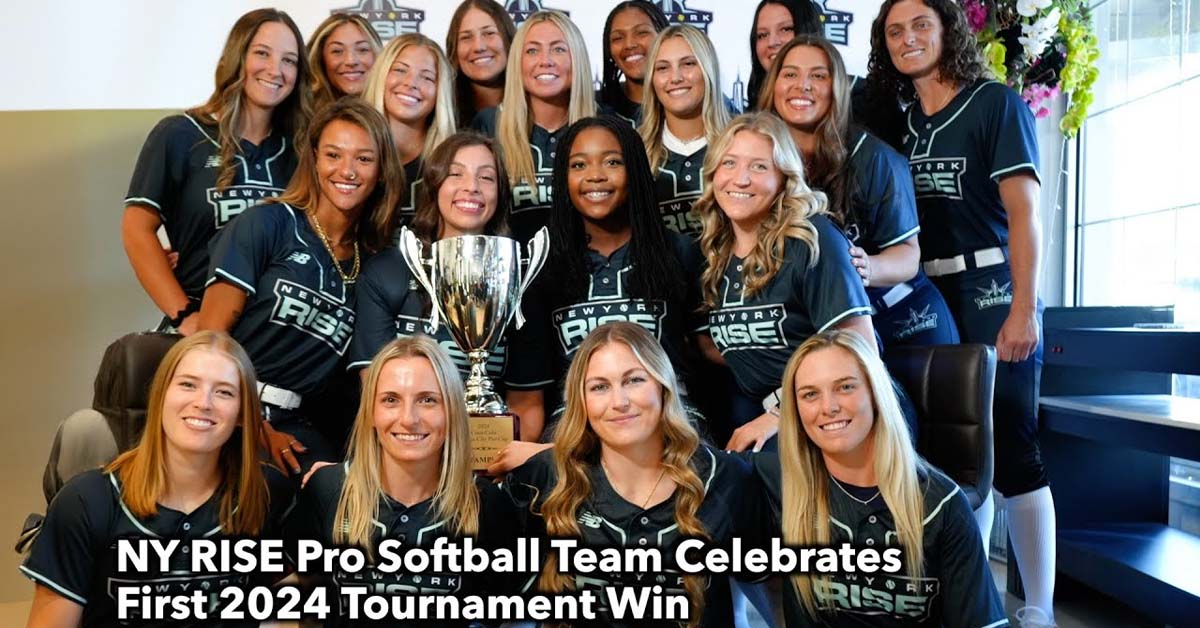
- New York Rise (New York, New York)
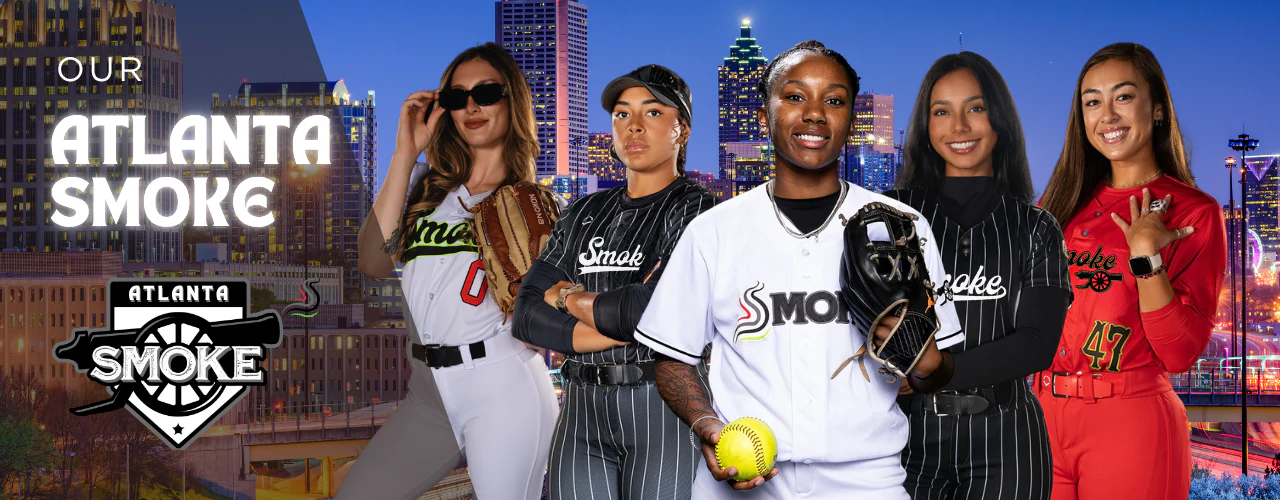
Rather than creating teams from scratch, the league is aggregating existing programs with infrastructure, coaching staffs, and regional followings into a single league framework.
From a business standpoint, this approach reduces early operational friction because teams already exist, facilities and local partnerships are in place and fan bases are regional, not hypothetical.
It’s a meaningful structural distinction from many past professional softball attempts.
Who’s Behind It — and Why That Matters
One of the PSL’s strongest early credibility indicators is who is involved in building it.
The league is being formed by longtime softball operators, not outside investors unfamiliar with the sport’s realities. These organizations have experience running elite teams, managing athletes, and navigating the financial and logistical challenges unique to softball.
That experience doesn’t guarantee success — but it does reduce the likelihood of structural missteps that have hurt previous leagues, particularly around:
- Travel demands
- Scheduling density
- Player workload
- Cost control
In women’s sports, leadership familiarity with the sport itself remains one of the clearest predictors of early stability.
The Website Tells an Honest Story
One detail that has stood out across the softball community: the PSL website currently includes a “Prospect Form” directly on the homepage.
For some observers, that raises questions. For others, it simply reflects the league’s current phase.
A prospect form signals that rosters are not finalized, player acquisition is still underway and the league is actively building its talent pool.
At this stage, that level of openness is not unusual for a league still finalizing contracts, schedules, and operational details. What will matter most is what follows: clarity around compensation, player protections, and competitive structure as launch approaches.
Media Visibility and Distribution
The PSL has also announced a broadcast partnership with the All Women’s Sports Network (AWSN), providing a defined media outlet ahead of its inaugural season.
For a new league, securing a dedicated women’s sports network partner early is a meaningful step. While specific distribution details will evolve over time, the partnership signals intent: PSL games are being built with viewership and accessibility in mind, not as closed-door competition.
Media reach alone doesn’t define sustainability, but visibility remains a necessary piece of it.

Why the PSL Is Forming Now
The PSL is not emerging in isolation. It’s forming because the conditions finally support it.
1. The Talent Pool Has Outgrown the Pathway
Elite NCAA programs are producing more professional-ready players than ever before, while domestic post-college opportunities have historically remained limited. That imbalance has created demand for additional, stable pro options inside the U.S.
2. Women’s Sports Economics Have Shifted
Across women’s sports, investment appetite, media coverage, and sponsor interest have changed materially in the past five years. New leagues are no longer starting from zero belief — they’re building atop proven momentum.
3. One League No Longer Has to Do Everything
Perhaps most importantly, softball is reaching a point where multiple professional models can coexist.
Not every league has to serve the same purpose.
Not every season needs to look identical.
Not every player requires the same structure.
The PSL is entering a landscape that increasingly resembles an ecosystem rather than a bottleneck.
There’s also a broader strategic layer worth acknowledging. As professional softball continues to grow, established teams and regional brands can become valuable assets — not just as competitors, but as building blocks.
We’ve already seen this approach in action, with the AUSL opting to acquire or align with teams that already have infrastructure, history, and local fan bases, rather than starting entirely from scratch. In that context, leagues like the PSL could ultimately serve multiple purposes: operating independently, strengthening regional ecosystems, or — over time — becoming part of a larger consolidation strategy as professional softball continues to mature. None of that is predetermined, but it reflects how emerging sports often scale.
What Still Needs to Be Defined
As with any league still in development, there are elements that will shape how the PSL is ultimately judged:
- Player compensation frameworks
- Contract length and protections
- Finalized schedules and venues
- League governance and centralized operations
These are not unique concerns, nor are they red flags. They are standard milestones between announcement and execution; and they are areas where transparency will matter most as the league moves closer to launch.
The Bigger Picture
The most important takeaway from the PSL’s formation may not be whether it arrives fully polished on day one.
It’s that professional softball now attracts enough leadership, talent, and belief that multiple groups are willing to build — publicly, domestically, and with long-term intent.
The PSL is not a finished product yet. It doesn’t need to be.
What matters is that it exists, that it’s being built by people inside the sport, and that it will ultimately be judged — fairly — by what it delivers between now and first pitch.
That’s how sustainable leagues are built.