The Tech Gap in Softball: What Michaela Edenfield’s WHOOP Story Reveals About the Sport’s Next Competitive Edge
Softball is entering a new era defined not just by media deals and expansion leagues but by the technology athletes use to manage their bodies. For years, baseball has dominated the analytics conversation. Softball, by contrast, has historically lagged behind in sports science adoption despite year-round workloads, demanding travel schedules, and the rise of professional leagues.
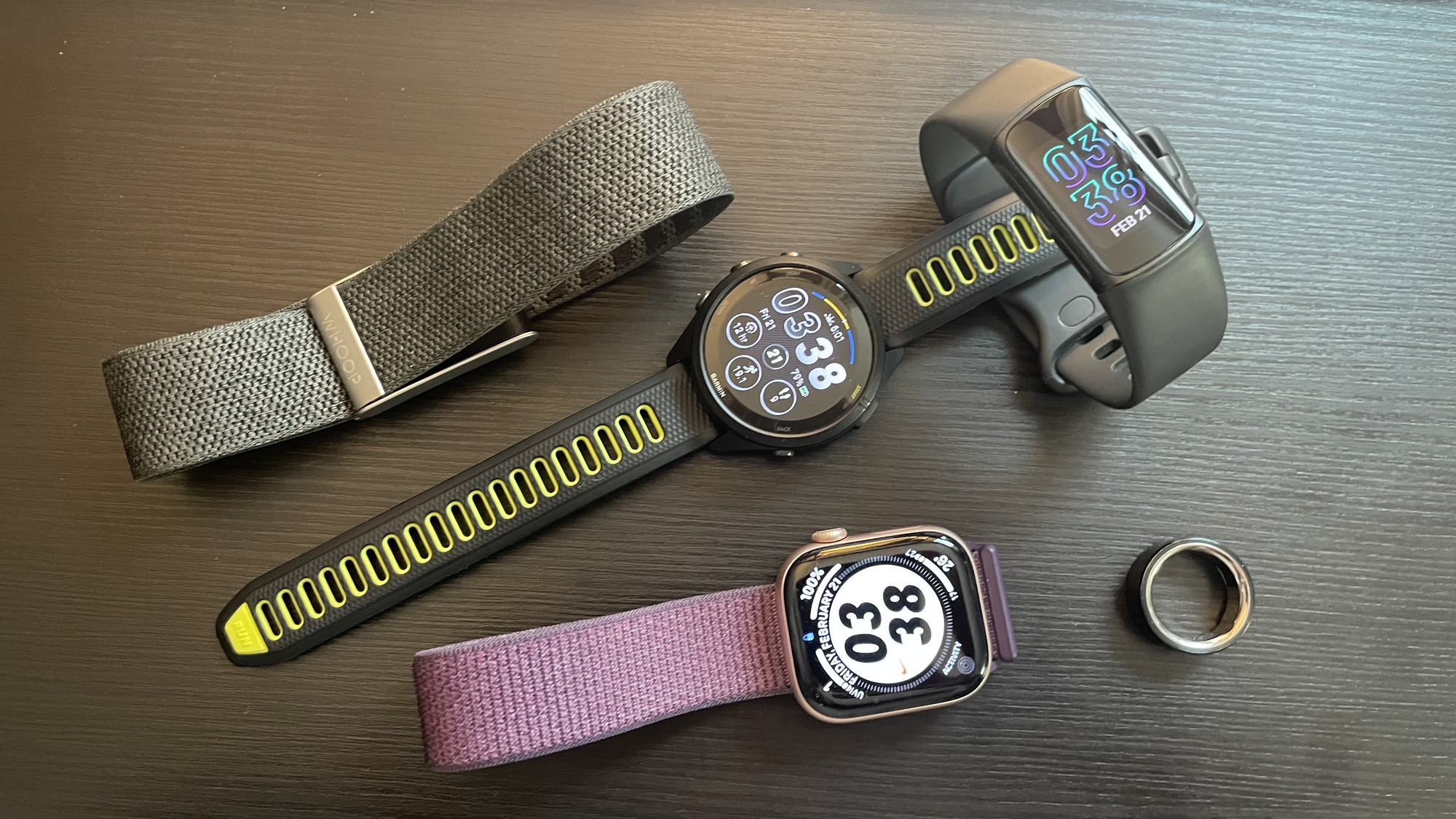
But the next wave of competitive advantage in softball may not come from velocity, exit speed, or scouting models. It’s going to come from sleep, recovery, physiological data, and real-time feedback loops – areas where tools like WHOOP, Oura, Apple Watch Ultra, Garmin, and team systems such as Catapult and Kinexon are finally entering the space.
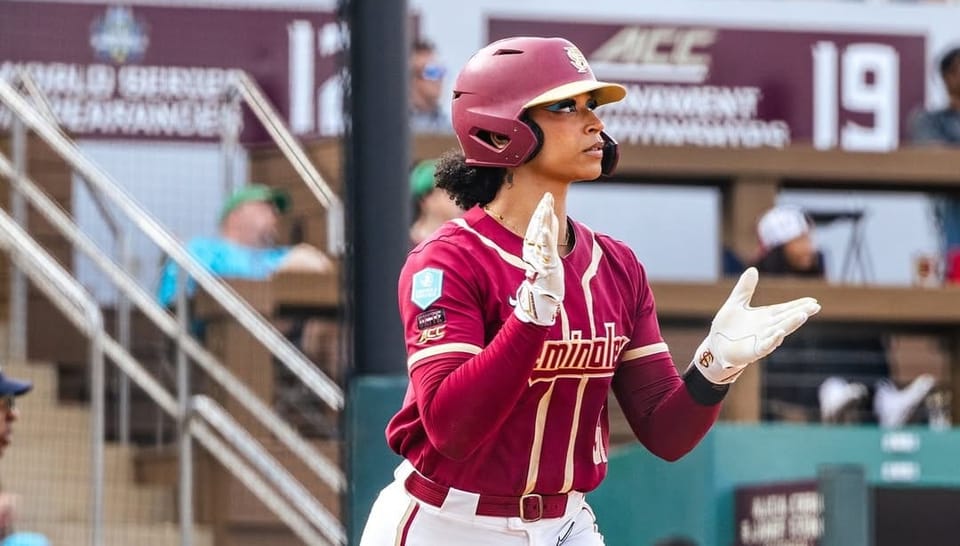
One athlete who embodies this shift is Michaela Edenfield, former Florida State catcher now playing professionally.
A Case Study: How Tech Changed One Athlete’s Entire Approach
At Florida State, Edenfield was introduced to structured recovery tracking and sleep metrics. It was a mandatory part of the program.
FSU even implemented weekly sleep-performance requirements based on WHOOP’s sleep need versus sleep achieved. In order to practice, each athlete had to achieve at least 70% on her sleep recovery.
When Edenfield consistently showed up as a “high strain” athlete (meaning her body required more sleep than teammates) it forced her to change habits, prioritize recovery, and take mental health more seriously.
But she’s quick to point out FSU is rare.
“This is not happening everywhere. Florida State, as far as I know, is like a unicorn of a university,” said Edenfield.
Her experience highlights something bigger: softball has a tech access gap. And the programs that close it first will win.
Why Technology Matters More in Softball Than Almost Any Other Sport
Softball players often compete 11–12 months a year across college season, summer ball, fall ball, professional leagues (AUSL, Japan, Mexico, Europe), training camps, travel tournaments, etc.
They travel constantly. They train through fatigue. They play multiple positions. Catchers, pitchers, and two-way athletes absorb especially high workloads.
Yet softball rarely receives the same technological investment as baseball, football, or men’s basketball.
Here’s why that needs to change.
1. Sleep Directly Impacts Performance — and Softball Has a Sleep Problem
A 2025 study on Division I women’s basketball players found that night-before-game sleep was significantly correlated with game performance metrics, validating what athletes like Edenfield have felt for years.
Ohio State researchers analyzed 27,000+ nights of athlete sleep and concluded that early-morning practices and travel patterns drastically reduce sleep duration across sports – especially for women.
Softball players face the same stressors: 6 a.m. lifts, late-night travel, and long tournaments.
Wearables bring the problem into focus.
2. Wearables Are Now Accurate Enough to Matter
Contrary to early skepticism, validation studies in 2024–2025 found:
- WHOOP’s heart-rate variability (HRV) readings matched gold-standard ECG with an intraclass correlation of 0.99 — considered “excellent.”
- WHOOP performed with “acceptable accuracy” for sleep stages when a baseline is established.
- Apple Watch Ultra 2 posted industry-leading heart rate accuracy when compared to Garmin, Samsung, and WHOOP in independent athlete testing.
The takeaway? Wearables are no longer toys. They’re credible tools for training and recovery decisions.
3. Technology Reduces Injuries and Extends Careers
Softball lacks the massive sports-science budgets of football or baseball, but the benefits are identical:
- Monitoring workload prevents overuse injuries
- Tracking sleep debt reduces illness risk
- Real-time biometrics reveal stress patterns
- Recovery scores help coaches adjust practice volume
The biggest gains happen when coaches have access to team-level platforms like:
- Catapult (movement load, sprint profiles, acceleration)
- STATSports (GPS + wearable sensors)
- Kinexon (ball tracking + player movement data)
These systems are common in soccer and baseball but nearly absent from softball outside a handful of Power Five programs.
4. The Market Is Exploding — But Softball Hasn’t Fully Tapped It Yet
The global sports wearables market was valued at $1.75B in 2023, projected to grow at 15%+ annually through 2032.
The broader wearable technology market hit $203B in 2025, with projections of $635B by 2034.
Softball is primed to benefit — but only if institutions invest.
Technology Is Becoming a Competitive Advantage
Edenfield credits sleep tracking and recovery work for changing not just performance, but identity — creating a healthier athlete, student, and person.
But she’s clear: most athletes don’t have access to the same tools. Softball programs often lack:
- Dedicated sports scientists
- Mental performance coaches
- Wearable tech budgets
- Individualized sleep programs
- Data-driven training systems
The players who do get those tools become the blueprint for what the sport could look like.
Wearables won’t solve mental health. They won’t replace coaching. But they close the information gap, especially for athletes juggling academics, NIL, pro ambitions, and year-round competition.
And if Edenfield’s experience is the case study, the next competitive edge in softball won’t come from a bat, a glove, or a pitch.
It’s going to come from data.
Sources
- Miller DJ et al. “A Validation of Six Wearable Devices for Estimating Sleep, Sedentary Behavior, and Physical Activity.” Sensors, 2022.
- “Accuracy, Utility and Applicability of the WHOOP Wearable Device.” medRxiv, 2024.
- WHOOP Locker summary: Australian Institute of Sport–funded HRV validations (2022).
- “Using Wearable Technology to Explore Sleep’s Influence on College Women’s Basketball Performance.” Archives of Physical Health and Sports Medicine, 2025.
- Grabmeier J. “How early morning practices affect college athletes’ sleep.” Ohio State University, 2025.
- Global Market Insights, “Sports Wearables Market Size & Share Report, 2032.”
- Precedence Research, “Wearable Technology Market Size—2034 Forecast.” (2025).
- TechRadar / Tom’s Guide independent testing of Apple Watch Ultra 2 (2025).