The Softball Parent Economy: What It Really Takes to Raise a D1 Pitcher
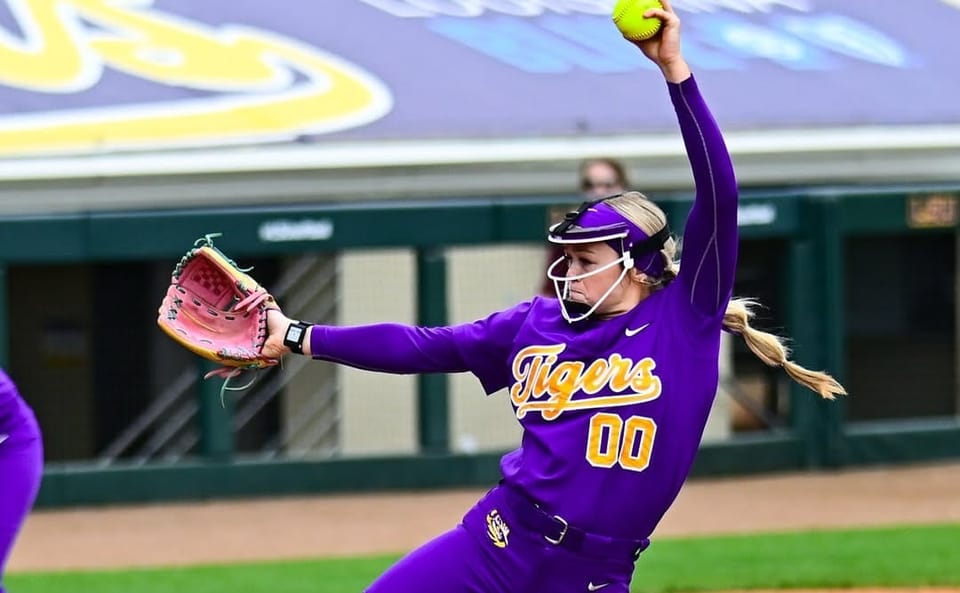
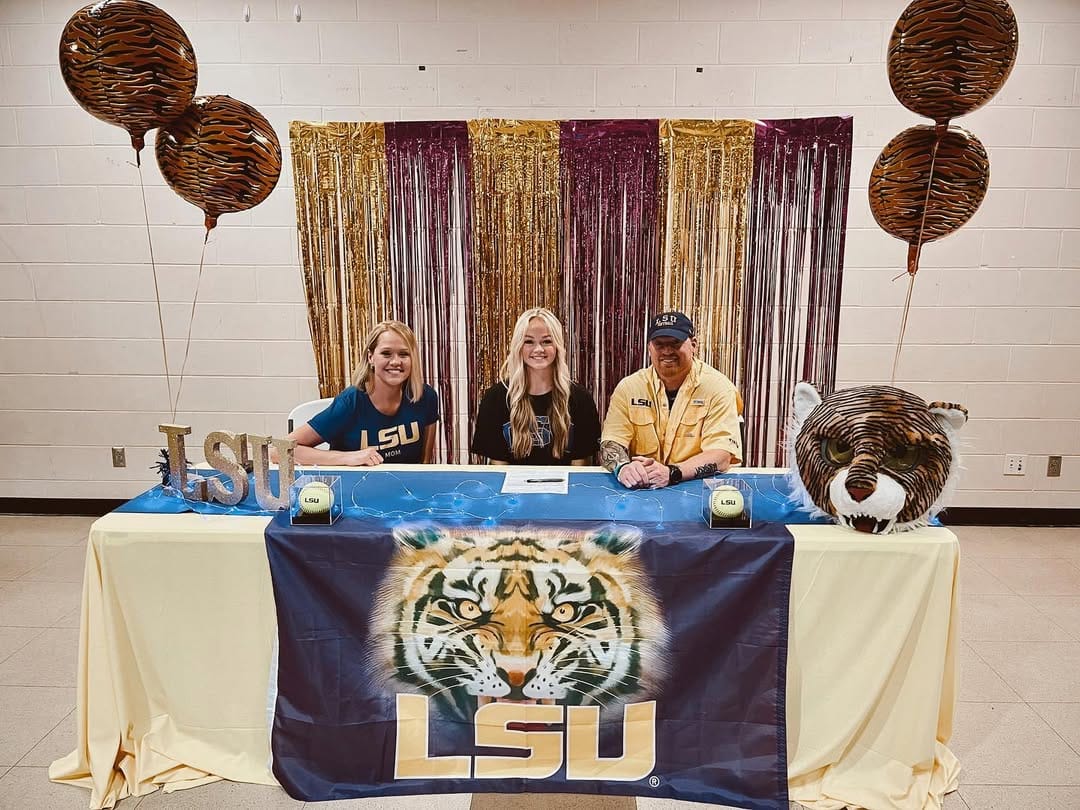
Jayden Heavener didn’t get to LSU on her own.
She got there because she grew up in a family deeply invested in her softball journey — emotionally, mentally, and financially.
“My parents are a big… like a big role model for myself,” Heavener said. “Like I just look back at all the years and the time and the money that they’ve put into this and all the effort that they’ve put into this and they love the game just as much as I do.”
Her voice breaks the myth that elite sport is only about talent. Behind most elite athletes are parents or a support system who have made sacrifices long before that collegiate debut ever happened.
Let's break down what that support can actually look like.... or cost.
Parents Are Spending More Than Ever — Across All Youth Sports
According to the Aspen Institute’s Project Play data on youth sports parent spending in 2024, the average U.S. sports family spent $1,016 on their child’s primary sport — a 46% increase since 2019. This number includes cost drivers such as travel, lodging, team registrations, and individual training expenses. (Project Play)
Even that survey, which covers all youth sports, highlights how family investment is climbing faster than inflation, driven by the competitive club and travel circuit that feeds college recruiting pipelines. (Project Play)
Competitive Sports Are Turning Into Large-Scale Family Ventures
While local rec ball may have modest fees, competitive travel teams often cost significantly more. Surveys of travel ball families (baseball and softball) show average team fees of around $2,178 annually, excluding uniform costs or travel lodging. (Bat Digest)
That doesn’t account for:
- Private pitching and hitting lessons
- Gas, hotels and meals for weekend tournaments
- Specialized camps, showcases, and recruiting exposure
- Equipment and replacement gear
Taken together, these pieces can easily push parent spending into multiple thousands of dollars per year.
Softball Players Competing for College Are Part of a Narrow Funnel
Statistically, the competitiveness of the sport reflects the investment.
According to the NCAA’s own participation data, the probability of a high school softball player going on to play in college is approximately 6.3% overall, with about 2.0% competing at the Division I level. (NCAA.org)
That means that the vast majority of young players will not play collegiate softball... but they (and their parents) must invest as if they might.
And families often commit time and money at levels well beyond those actual odds, hoping their athlete becomes one of the few.

Behind the Numbers: Jayden Heavener’s Family Example
Heavener’s story talks less about dollars and more about time, sacrifice, and presence — the invisible labor that doesn’t show up on a spreadsheet but is as real as any cost.
“My dad would stay up because he works night shifts. He would stay up for 24 hours to go to games. He would drive. He would come home from work at night in the morning and be like seven o'clock in the morning. He'd pack the car and we drive to go to a tournament and he'd watch our games. He wouldn't go to sleep. He wouldn't go to the hotel. He'd stay up for 24 hours, 48 hours just to watch me play.”
Her mom, meanwhile, works from home and would handle computer work and phone calls in the car on the way to tournaments.
These moments — parents in hotels, on laptops between games, catching bullpens, washing uniforms — illustrate a massive time investment that aligns with broader quantitative research on youth sports.
National surveys show parents spend hours weekly not just transporting kids to practice but actively managing schedules, logistics, and opportunities — a form of labor economists call “invisible work.” (Project Play)
The Parent Economy Isn’t Just Financial — It’s Time, Identity, and Opportunity
Yes, research shows families are spending money on youth sports at record levels, but there’s also a time economy at play.
In Jayden’s own words:
“I call my mom every single day… and she just listens — and it’s all I need.”
Those daily calls aren’t expenses you can credit to a line item, but they are part of the developmental ecosystem that fuels high-level performance.
They’re part of what researchers call the “intensive parent involvement” required to navigate elite sports culture — a phenomenon that has grown as youth sports become more competitive and travel-oriented. (Project Play)
What This Means for the Game, the Families, and the Industry
The softball parent economy is a core infrastructure.
It fuels travel teams and tournament markets. It funds private instructors and recruiting exposure. It shapes who gets coached, who gets seen, and ultimately who gets opportunities.
And as families invest more, financially and emotionally, they are essentially subsidizing the elite amateur labor force that feeds collegiate sport.
Jayden’s voice captures this perfectly:
“I wouldn’t be where I am. I would not be the person I am without them.”
Her success, and that of many Division I athletes, is deeply tied to this ecosystem of family investment — not just talent or coaching alone.
Sport’s Hidden Truth
Most youth athletes don’t become college players.
Most families spend thousands of dollars and countless hours supporting their kids’ athletic dreams.
But for the few who do get recruited, every hotel room, early morning bullpen, and parent-athlete conversation becomes part of the story.
And that’s the real softball parent economy. Not just the money — but the love, the labor, and the belief that carry athletes long before anyone is watching.