The Real Recruiting Market in College Softball Is Bigger Than You Think
For years, the perception of college softball recruiting has been simple: Division I or bust.
But according to Southeastern Louisiana assistant coach Matt Uhle, that mindset is one of the biggest disconnects between how players approach recruiting — and how the sport actually operates.
And as softball continues to grow — with increased media exposure, professional opportunities, and deeper talent pools — that gap is becoming more important than ever to understand.
What College Softball Coaches Look For in Recruits ft Southeastern Softball Coach Matt Uhle
The Recruiting Market Is Not What Players Think
One of the most common misconceptions in youth softball is that the goal is singular: play at the highest level possible.
But in reality, the recruiting ecosystem is far more layered.
“Most kids think they’re going Division I,” Uhle said. “And that’s great to dream that. But it shouldn’t matter whether you play junior college, Division I, II, or III.”
That statement reflects a broader truth about the sport: college softball is not a single-tier system — it’s a distributed talent market.
Across Division I, II, III, NAIA, and junior college programs, there are thousands of roster spots and increasing parity in talent.
As more athletes enter the pipeline, the differentiation is no longer just skill level.
It’s fit.
The Rise of the Mid-Major
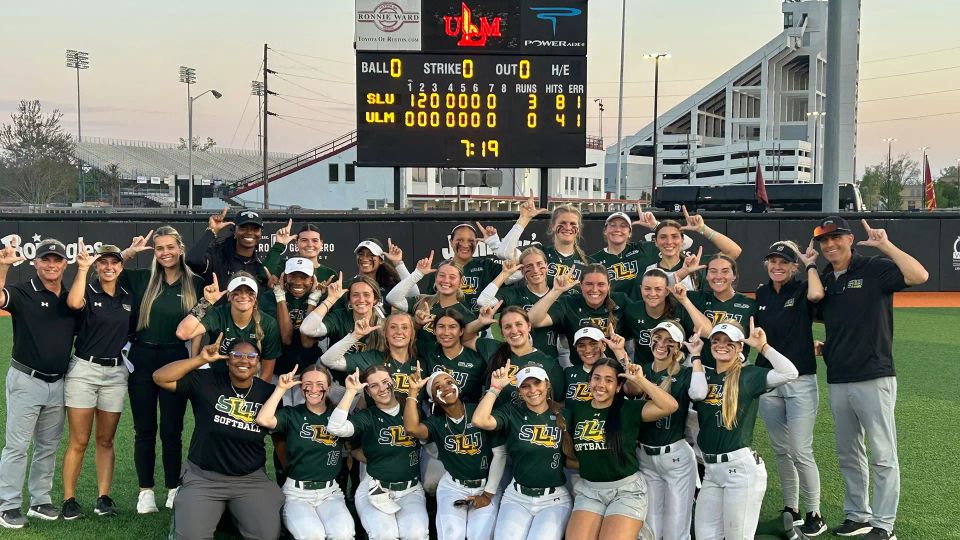
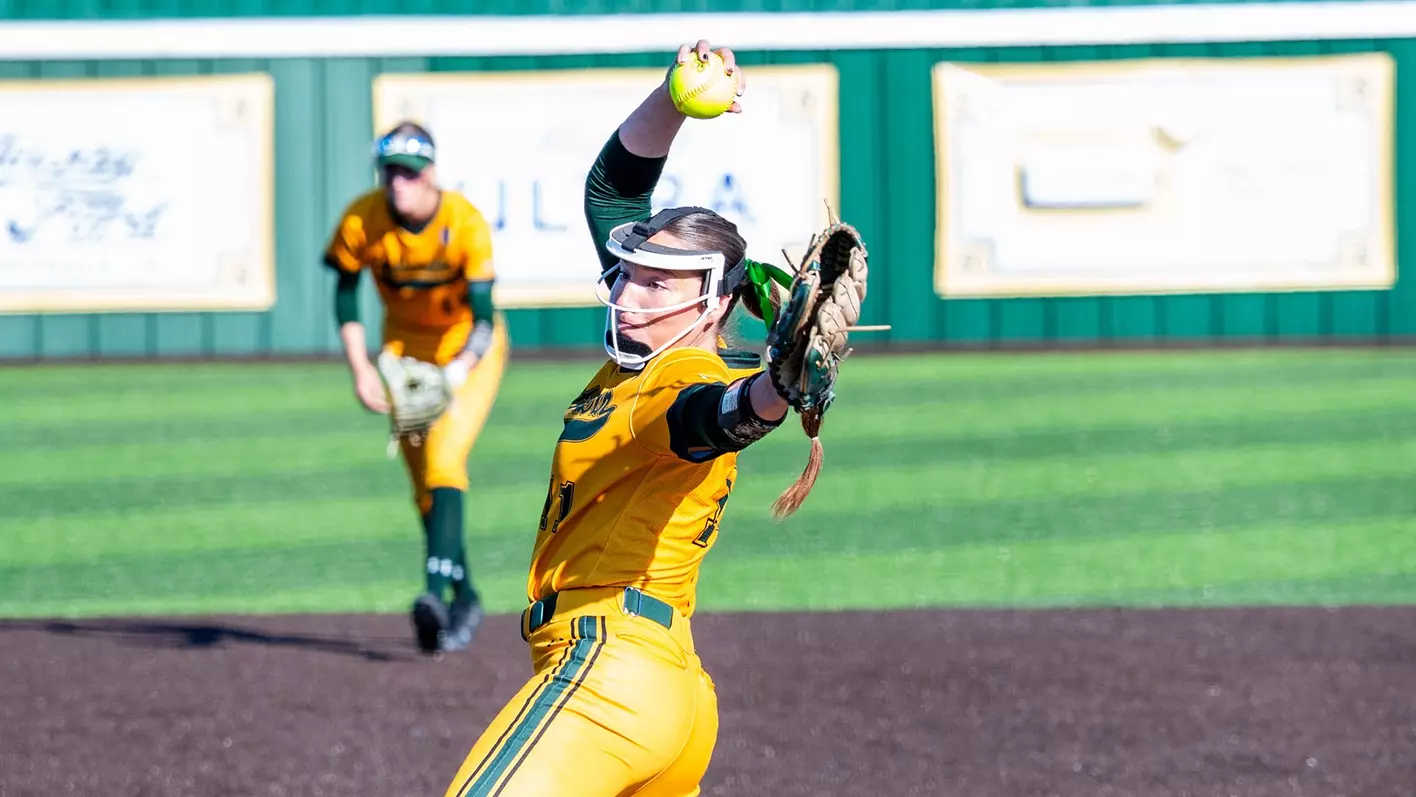
Programs like Southeastern Louisiana are a case study in this shift. The Lions have quietly emerged as one of the most competitive mid-major programs in the country this season.
During their run, the program entered the national Top 25 conversation while riding a double-digit win streak – the longest in program history.
More notably, their pitching staff ranked among the top in the country — a signal that their success isn’t a fluke, but a product of depth and development.
Historically, the sport has been dominated by a small group of elite programs, particularly in the SEC and Big 12.
But that dominance is being challenged.
“The gap has closed,” Uhle said. “Years ago, when we would play LSU, we’d just hope not to get run-ruled. Now, it doesn’t matter who we play — a lot of mid-majors can compete.”
Programs like Southeastern Louisiana are a case study in this shift.
A 20-game winning streak, a top-ranked pitching staff, and wins against high-level competition signal something bigger: depth across the sport is increasing.
This is driven by more participation at the youth level, increased visibility through ESPN and digital media, and better player development and training access
The result is a more competitive landscape — and more viable pathways for athletes.
Exposure Has Changed the Economics of the Game
One of the biggest catalysts behind softball’s growth has been media.
“I think the fact that ESPN has gotten so big… you can go on every night and watch a game,” Uhle said.
That visibility has had a compounding effect:
• Increased attendance at games
• More youth engagement
• Stronger recruiting pipelines
• Greater demand for content and coverage
In the early 2000s, even top programs drew modest crowds.
Today, sellout stadiums and game-day environments are becoming standard at major programs — and trickling down to others.
Visibility drives aspiration. And aspiration drives participation.
The New Recruiting Currency: Intangibles
While talent remains the baseline, what separates players at the college level is often less measurable.
“It’s not about your stats,” Uhle emphasized. “It’s about what you can do for your team.”
This shift toward intangibles — coachability, role acceptance, situational awareness — reflects a more mature recruiting evaluation process.
College programs are no longer just building rosters. They’re building systems.
And players who understand their role within those systems have a competitive advantage.
Why “Standing Out” Matters More Than Ever
With more athletes competing for opportunities, differentiation has become critical.
“What are you doing to stand out?” Uhle said. “Because there’s a lot of people out there.”
In a saturated recruiting environment, visibility alone isn’t enough.
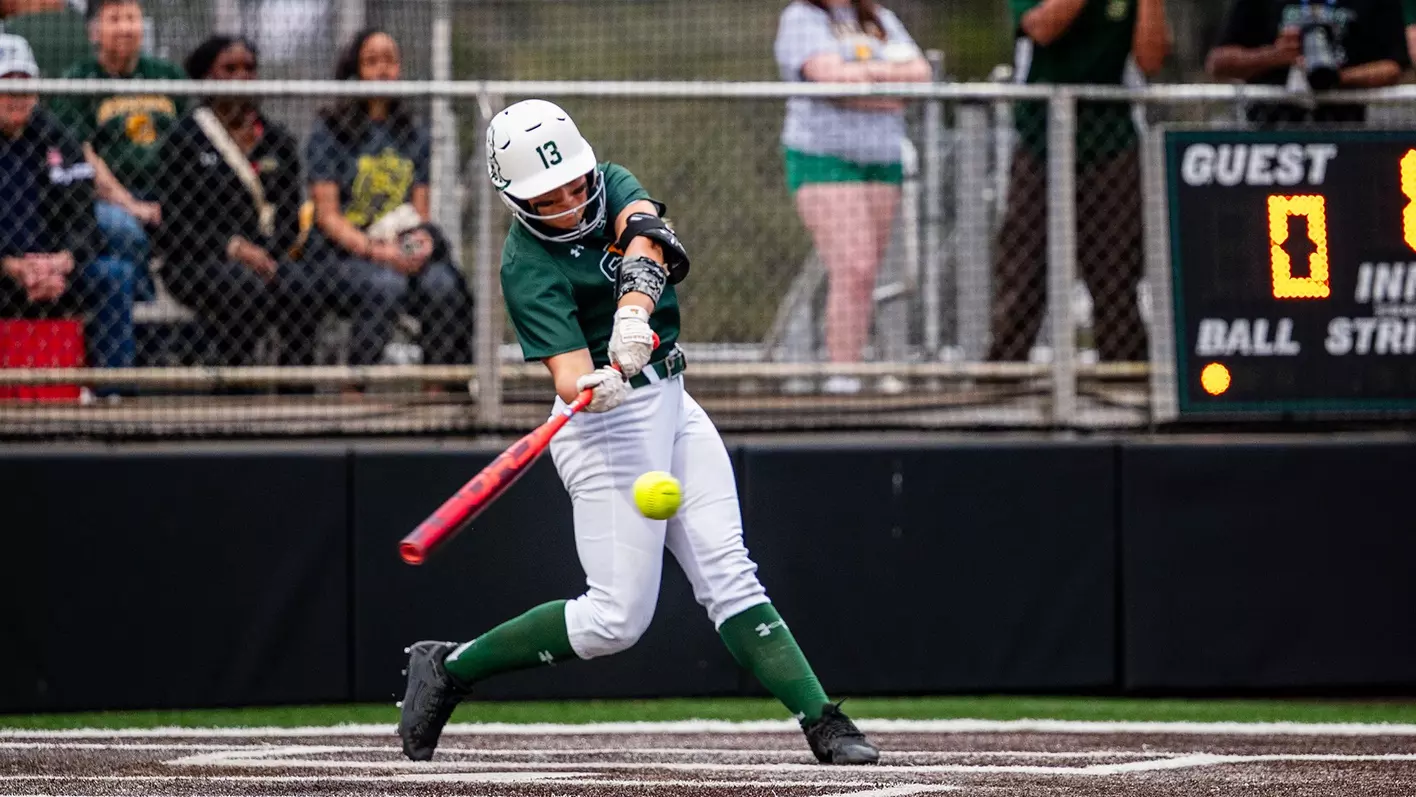
Players must perform in key moments, show adaptability, demonstrate consistency, and separate themselves in live settings.
This is where many athletes fall short — not because of talent, but because of a lack of strategic approach.
Beyond Softball: The Career Pipeline
One of the most overlooked aspects of college softball is its role in career development.
“The confidence level they gain from the sport… it carries over,” Uhle said, recounting a former player who secured a job over more experienced candidates due to her presence and mindset.
This highlights a critical point:
College athletics function as a talent incubator beyond the field.
For employers, athletes represent discipline, teamwork, resilience, and a competitive mindset.
As a result, participation in college softball can directly impact long-term career opportunities.
The Bigger Picture
Softball is no longer a niche sport operating within limited visibility.
It's expanding its media footprint, creating professional opportunities, developing deeper talent pools, and building stronger fan engagement.
And perhaps most importantly, it is changing how athletes see their future.
From a fourth-grade girl writing that she wanted to be a professional baseball player — to a generation of players now seeing real pathways in softball — representation and exposure are reshaping the ceiling of the sport.
The recruiting market, the competitive landscape, and the business of softball are all evolving.
The players who understand that shift — and adapt to it — will be the ones who benefit most.