The Player-First Blueprint: How The AUSL Built a League Players Don’t Want to Leave
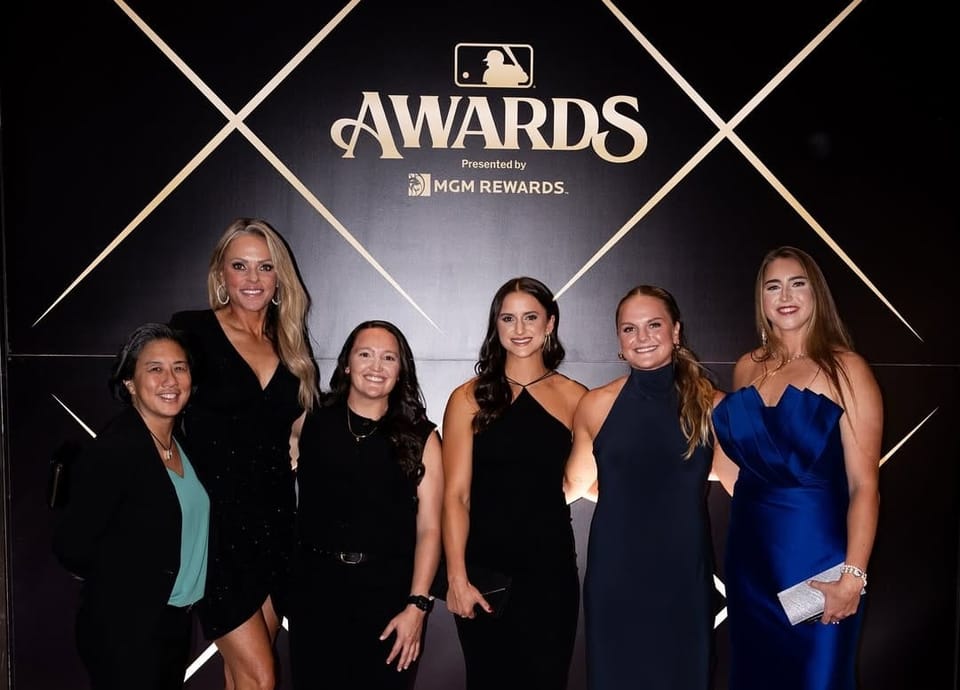
For decades, professional softball in the United States followed a familiar and frustrating cycle: elite talent, passionate fans, Olympic-level visibility — followed by leagues that couldn’t retain players long enough to build continuity, loyalty, or long-term growth.
Georgina Corrick, a Great Britain national team pitcher, Athletes Unlimited pro, and current member of the league’s Player Executive Committee, articulated the core issue plainly on Out of Left Field:
“It was just unsustainable. You can’t make a business model off an employee that can only guarantee a year or two because they need to go get another job.”
That alone explains why previous professional softball leagues struggled to survive. When athletes can’t stay, leagues can’t compound — and Athletes Unlimited has built its model around solving that exact problem.
Retention Is the Real Business Problem
Corrick framed the downfall of earlier eras of professional softball not as a failure of talent or fan interest, but of structure:
“You had to pick between having a life, having kids, having a family, moving, getting a job, and the passion that you’ve spent 10, 15, 20 years rallying behind.”
That tradeoff crushed continuity. Players cycled out, rosters reset, and fan attachment never had time to mature. Media coverage became episodic. Sponsorships stayed short-term. Every season felt like a restart.
This reality is why prior leagues, including the National Pro Fastpitch league, ultimately suspended operations. The problem wasn’t the product on the field — it was the inability to support athletes long enough to build a durable ecosystem.
Athletes Unlimited entered the market with a different premise: if players can’t treat the league like a real job, the league can’t expect real growth.
Compensation That Signals “Professional”
The AUSL currently offers the highest average salaries in U.S. professional softball history, with publicly reported figures in the $40,000–$45,000 range and opportunities to earn more through performance-based compensation.
The number itself matters less than what it represents: players no longer need to exit the sport immediately to survive financially.
Corrick tied that stability directly to sustainability:
“You can’t make a business model off an employee that can only guarantee a year or two. That’s not sustainable in any way, shape, or form.”
Retention isn’t a feel-good concept. It’s an operational requirement.
Player Experience as Infrastructure
Corrick emphasized that Athletes Unlimited’s advantage isn’t just pay, but how athletes are treated inside the system:
“I don’t feel like someone who’s being sold from place to place. Sometimes you stop feeling like a person and you start feeling like a tool.”
That distinction is significant. When players feel disposable, they leave. When they feel valued, they invest.
Corrick currently serves on the Player Executive Committee, a formal body that provides athlete feedback to league leadership. She described how that structure functions in practice:
“I get to see a lot of the things that go on behind the scenes… and often the first question they ask is, ‘What do you ladies think about this?’”
In other words, athlete input embedded into decision-making.
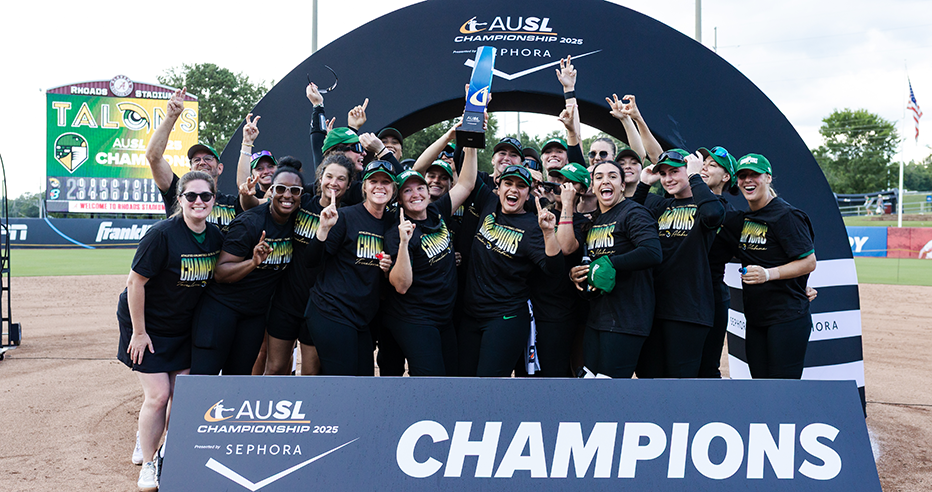
Why Player Input Is a Competitive Advantage
Most emerging leagues operate top-down. Athletes Unlimited operates with feedback loops.
Corrick explained the impact clearly:
“I have never felt more professionally taken care of in my life.”
That sentiment isn’t branding — it’s retention logic.
Leagues don’t fail because fans don’t care. They fail because instability prevents habits from forming: repeat attendance, consistent coverage, recognizable stars, and sponsor confidence.
Corrick laid out the flywheel plainly:
“Can we get people invested in the sport… then invested in the athletes… and then can we take care of the dang athletes? That’s the biggest part of filling seats.”
Stability Is the Growth Strategy
Athletes Unlimited’s player-first approach has also attracted institutional confidence. Major League Baseball has made a reported eight-figure strategic investment into the AUSL, signaling belief in both the league’s structure and its long-term viability.
That partnership reinforces the same thesis: player stability creates product stability.
When athletes can stay fans build long-term loyalty, sponsors see consistent narratives, media coverage becomes predictable, and the league stops restarting from zero.
The Real Lesson for Emerging Leagues
Athletes Unlimited didn’t revive professional softball with nostalgia or hype. It addressed the root problem.
Leagues that lose talent aren’t losing it to competition. They’re losing it to adulthood.
By making it possible for athletes to remain professionals — not just participants — Athletes Unlimited has created something rare in women’s sports: durability.
And durability, more than any single season or championship, is what turns a league into a business.