The People Running the Room in Professional Softball
For years, professional softball has asked the same question in different ways:
Why hasn’t this worked yet?
The talent has always been there. The fan base has always existed. The passion has never been in doubt. What has been missing (until now) is a leadership structure with enough credibility, cohesion, and authority to turn momentum into permanence.
That’s what separates the AUSL from every iteration of pro softball that came before it.
The league isn’t being held together by players willing it into existence. It’s being run by people who understand both the sport and the business of professional athletics.
Why Leadership Is the Difference This Time
In previous leagues, growth often depended on athletes wearing too many hats. Players weren’t just performers; they were marketers, ambassadors, fundraisers, and, at times, the public justification for the league itself. That model wasn’t sustainable, no matter how committed the athletes were.
The AUSL flipped that structure.
Players play. Executives execute. The separation is subtle, but it changes everything.
That shift becomes clear when you look at who is actually making decisions.
Kim Ng and the Power of Legitimacy
At the center of the AUSL’s leadership is commissioner Kim Ng, and it’s difficult to overstate what her presence does for the league.
Ng isn’t just respected within softball circles. Her résumé carries weight across professional sports, particularly in Major League Baseball, where she became the first female general manager in a major U.S. men’s league. That distinction matters, not symbolically, but practically.
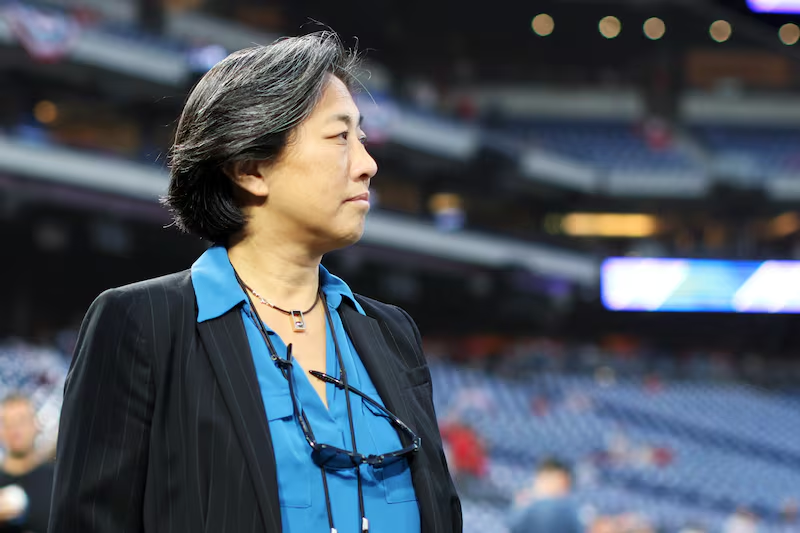
Her involvement signals to broadcasters, sponsors, investors, and athletes that this league is not aspirational. It’s operational.
People inside the AUSL describe a noticeable shift the moment Ng joined. Conversations changed. Expectations changed. The league stopped feeling like a project and started feeling like an institution.
For those working closely with her, the impact is even more personal. Seeing a woman operate with that level of authority – calmly, decisively, without explanation – expands what feels possible. Not just for the league, but for the people building careers inside it.
That kind of leadership doesn’t just set direction. It raises ceilings.
The Legends Who Aren’t Just Names on a Website
Equally important is who sits alongside Ng.
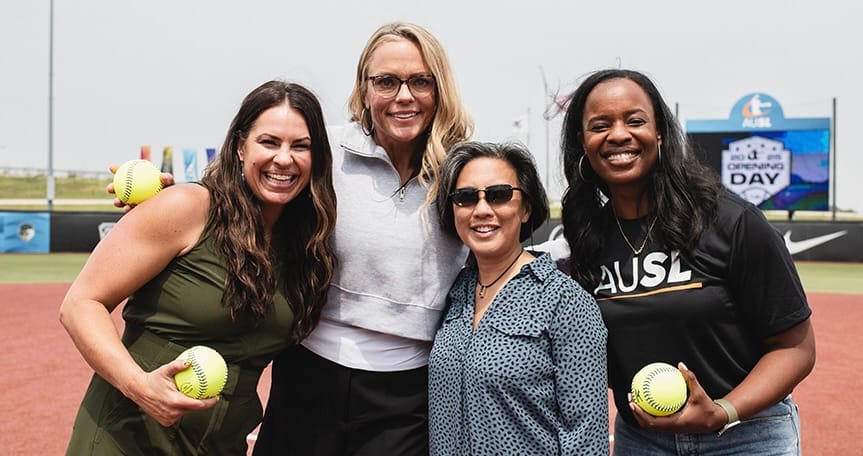
The AUSL’s leadership and advisory group includes some of the most influential figures in softball history: Jennie Finch, Natasha Watley, Cat Osterman, Jennie Dalton-Hill, Jessica Mendoza....
What makes this group different from similar collections of legends in the past is that they aren’t present for optics. They have influence.
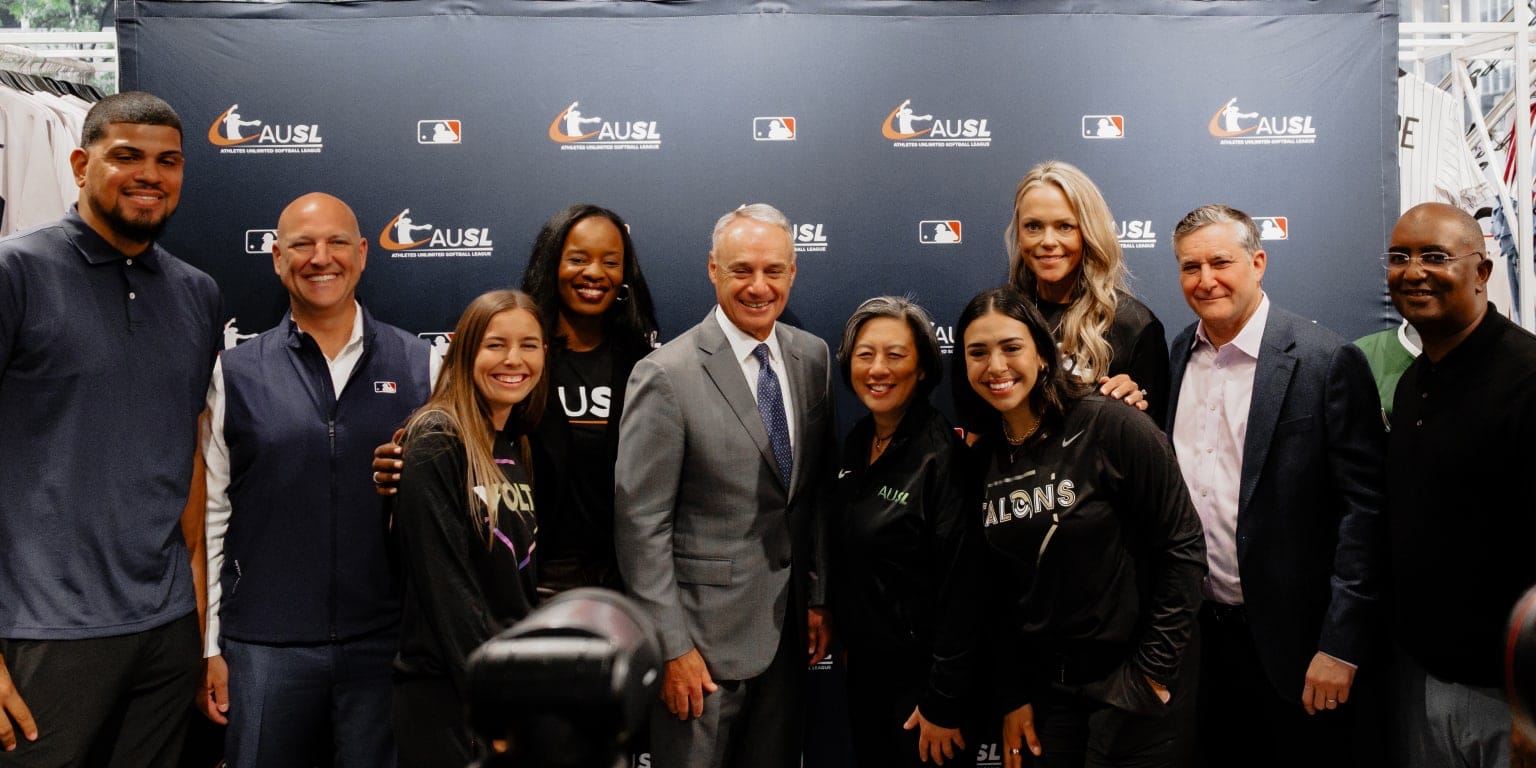
Each brings a distinct lens shaped by a different era of the sport — from Olympic dominance to professional grind to long-term advocacy when resources were scarce. Together, they provide something softball has rarely had: institutional memory paired with real authority.
There is no generational tug-of-war here. No competing visions. As one league insider put it, everyone is rowing in the same direction — at the same time.
Alignment is an underrated asset in sports. The AUSL has it.
Where Trust Quietly Enters the Equation
One of the clearest signals that this leadership model is working isn’t found in press releases or attendance numbers. It shows up in how openly people inside the league talk about it.
Savanna Collins, one of the league’s primary reporters, has covered professional softball across multiple eras. Her proximity to the AUSL’s leadership gives her a unique vantage point — not just on what decisions are being made, but how they’re made.
She speaks about the league’s leaders with confidence, not caution. About Kim Ng with admiration, not distance. About the legends in the room as colleagues, not untouchable figures.
That kind of candor doesn’t exist without trust.
It’s the same trust she emphasizes in her relationships with athletes — the belief that stories belong to the people living them, not the ones delivering them. That mindset mirrors how the AUSL itself is being run: with respect for experience, accountability for power, and an understanding that credibility compounds over time.
Why This Structure Attracts More Than Fans
The downstream effects of this leadership model are already visible.
The league has secured meaningful broadcast exposure. It has attracted partnerships that extend beyond softball’s traditional ecosystem. It has created an environment where media professionals, not just players, can envision long-term careers without needing to leave the sport to advance.
Perhaps most importantly, it has positioned itself for the hardest test of all: sustainability at the city level. Moving from a touring model to city-based teams doesn’t reward hype. It rewards trust – from fans, from communities, and from the people being asked to invest their time and money.
Leadership matters most when novelty wears off.
A League Built Like It Plans to Last
Professional softball didn’t suddenly figure it out.
It got organized.
The AUSL’s advantage isn’t talent, timing, or even visibility. It’s governance shaped by people who understand what has failed before and why this moment is different.
The league is no longer asking to be taken seriously.
It’s being run like it already is.