The New Athlete Economy: How Player Branding Is Fueling a Wave of Athlete-Built Businesses
The Athlete Economy Has Shifted
Since NIL legislation became reality in 2021, athletes have evolved from participants in the system to business operators inside it. The industry expected endorsement deals. What it got was a wave of athlete-led companies, creator platforms, and entrepreneurial ventures.
Player branding is no longer a bonus skill—it’s a competitive advantage, a revenue stream, and the foundation for long-term career value.
A Surge of Market Opportunity
Across recent NIL and creator-economy analyses:
- The NIL market has expanded to over $1B annually.
- Projections estimate $1.6B–$1.7B by the 2024–25 cycle.
- Some economic models suggest total Division I athlete compensation could surpass $2.2B under future revenue-sharing structures.
- Women’s sports are seeing rapid growth in deal volume, driven heavily by digital influence rather than broadcast visibility.
- Industry research classifies college athletes as one of the fastest-growing creator segments in the country.
The money is real, the audience is real, and the need for business literacy is growing faster than infrastructure can support it.
Case Study: Paige Halstead’s Viral Moment
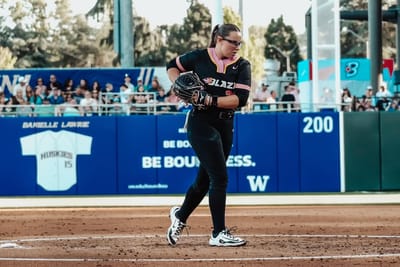
Paige Halstead’s journey reflects this evolution. After posting a simple video of herself catching a bullpen for her brother, she went viral overnight—gaining around twenty thousand followers in a single surge. The attention was powerful but disorienting. She had a platform but no strategy. Like many athletes early in NIL, she relied on external guidance, including an agent, but quickly realized she needed to understand how to manage her own brand.
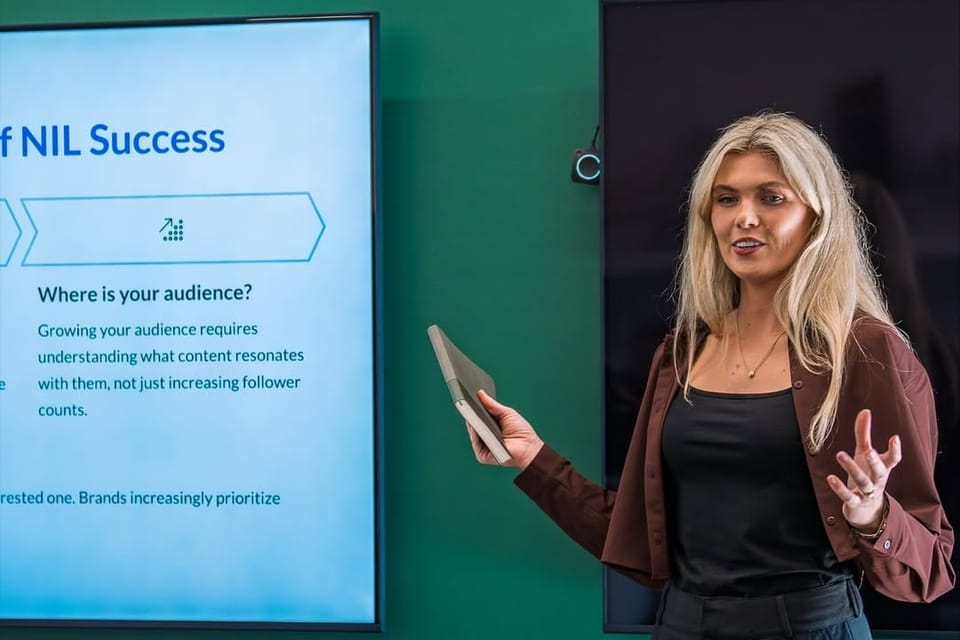
That learning curve—figuring out what to post, how to communicate identity, how to build consistency, and how to turn visibility into opportunity—is what eventually fueled the creation of PrepBranding.
What Athlete Branding Businesses Actually Do
Platforms like PrepBranding exist because athletes aren’t just chasing views—they’re trying to build equity.
Athlete-branding companies typically focus on:
- Identity development: who the athlete is outside the stat sheet
- Content strategy: message, frequency, niche, and visual style
- Audience building: creating a consistent, engaged community
- Brand alignment: understanding what partnerships fit
- Professionalization: media training, negotiation basics, digital organization
- Post-viral planning: how to capitalize on momentum and convert attention into long-term value
These skills used to be optional. Now they’re part of the job.
Why This Business Space Is Growing
Three forces power the rise of athlete-founded branding companies:
Fragmented knowledge – Athletes are handed opportunity but not a roadmap.
Platform leverage – Social media rewards narrative, authenticity, and niche communities—athletes naturally excel here.
Long-term value – A player’s brand can outlast their playing career, giving them stability beyond performance.
Athletes like Halstead didn’t create companies because branding is trendy—they built them because the market demanded a new kind of support.
The Next Wave of Athlete Entrepreneurship
The most important emerging trend isn’t that athletes can monetize themselves.
It’s that athletes are building the businesses that help other athletes monetize themselves.
This is the athlete economy’s next phase: players as founders, educators, creators, and strategists—building companies that will define the industry for the next decade.
Sources
- Opendorse / NIL ecosystem estimates (market size 2021–2025)
- NCAA economic forecasts on athlete compensation
- NBER-style NIL analyses and revenue-sharing projections
- The Influencer Marketing Factory – athlete creator trends and sponsorship data
- Academic studies on athlete branding (USF, Liberty University, additional peer-reviewed research)