



The Mental Performance Infrastructure Behind Modern College Softball
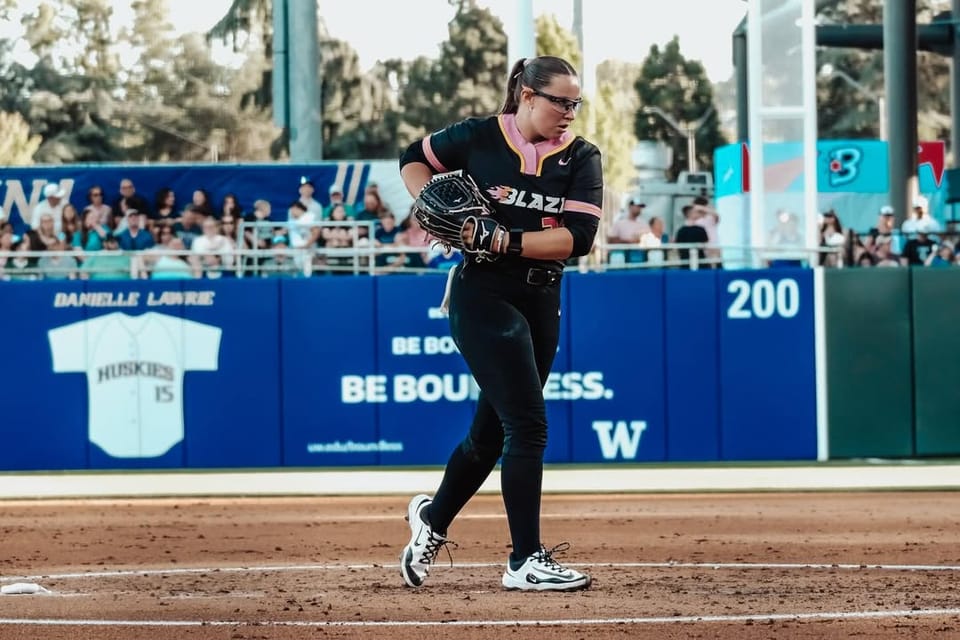
College softball has spent years professionalizing the physical side of development.
Strength staffs got sharper. Pitch design got smarter. Recovery became more individualized. Video, biomechanics, workload management and nutrition all moved closer to the center of the sport.
Now the same thing is happening with mental performance.
Public data suggests women’s college athletes are still carrying a heavy mental load. In the NCAA’s 2022–23 Student-Athlete Health and Wellness Study, 44% of women’s sports participants reported feeling overwhelmed by everything they had to do, 35% reported feeling mentally exhausted, and 29% reported overwhelming anxiety constantly or most days.
The NCAA release does not isolate softball specifically, but it does break the data out across women’s sports and divisions.
The takeaway is clear: in a sport built around failure tolerance, emotional regulation and pitch-to-pitch adjustments, mental skills are no longer optional.
They are becoming infrastructure.
Emma Lemley on Out of Left Field with Abby Alonzo
When the Game Gets Loud
The challenge for pitchers is not just execution. It’s managing the noise around execution.
Missed calls. Opposing benches. Crowds. Social media. Expectations.
When those variables start stacking, mechanics often become collateral damage.
Emma Lemley described one of those moments during her college career.
“A lot of like where my yips came from was from the umpires missing a few strikes and then people in the stands yelling at me. And then the other team yelling at me. And then all of a sudden I was just so like in my head that I couldn't focus on anything else around me.”
That spiral is familiar to anyone who has coached pitching.
The loss of command is rarely mechanical first. It is usually attention drifting away from the present pitch.
The Reset
That is where mental training systems are starting to appear inside elite programs.
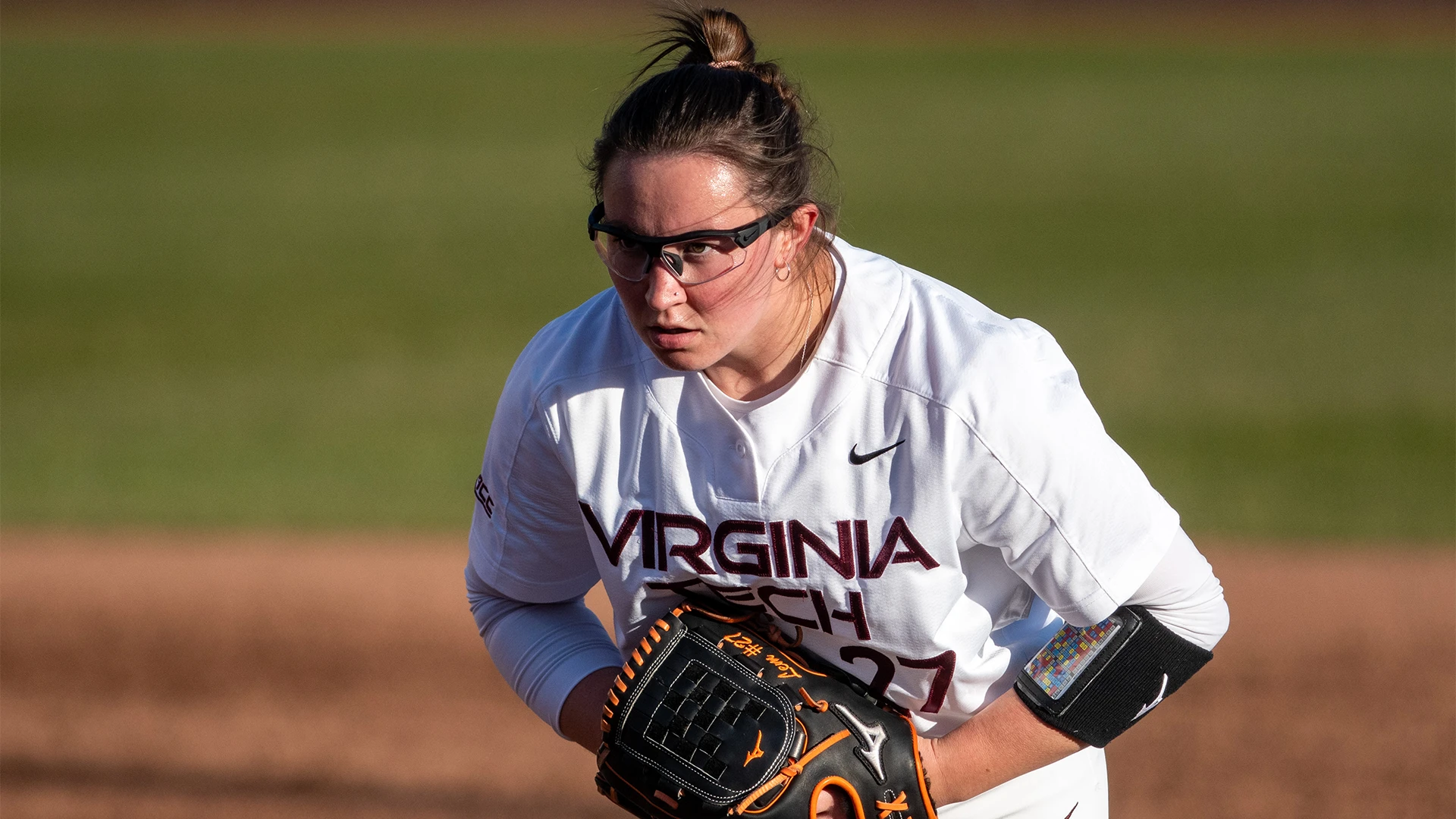
Lemley pointed to the emphasis placed on it at Virginia Tech.
“Coach Josh was really big on the mental aspect of it.”
Part of that work included mindfulness and breathing routines designed to help pitchers reset during games.
“If you can calm your breathing down — it's like a total reset.”
That idea is backed by a growing body of sports science research.
A 2023 systematic review published in the British Journal of Sports Medicine found that mindfulness-based interventions in elite athletes significantly reduced anxiety and stress while improving overall psychological well-being.
In other words, the mental side of the game is becoming measurable — and trainable.
Confidence Before Competition
Another routine Lemley carried with her from college into her pregame process was positive self-talk.
“We would sit in the bullpen just by ourselves, and we would have to tell ourselves 20 positive things about ourselves.”
The exercise was designed to reinforce identity and confidence before competition.
“I always end it with ‘I'm that girl’ and then I go out.”
What sounds simple, and almost comical, on the surface is actually a structured confidence routine.
The goal is to separate performance from identity — so one pitch, one inning or one game does not dictate how an athlete sees themselves.
The NCAA’s Growing Focus on Mental Health
The NCAA has increasingly acknowledged the role mental health plays in athlete development.
The association now requires schools to provide mental health resources aligned with NCAA Mental Health Best Practices, and Division I institutions began attesting to their compliance with those standards in 2024.
The NCAA currently supports more than 520,000 student-athletes across its member institutions and continues to expand programming around mental health education, sports betting risks and social media harassment.
Those initiatives reflect the reality that modern athletes compete inside a much louder environment than previous generations.
More broadcast exposure. More public commentary. More digital scrutiny.
Why Repetition Matters
Mental training only works if it becomes routine.
“You can't just listen to one mindfulness thing and be like, 'okay I'm good.'”
Like strength training or pitching mechanics, it requires repetition.
“You have to do it every day or every other day.”
That idea is increasingly shaping how elite programs structure development.
Mental performance is no longer treated as a motivational speech or emergency intervention.
It is becoming a daily training component — one designed to help athletes stay present when the game gets loud.
The Competitive Advantage
College softball continues to grow in visibility, media attention and professional opportunity.
As that environment expands, the athletes competing inside it will face more pressure, not less.
Programs that treat mental performance as infrastructure — something that can be trained and reinforced daily — may gain a quiet but meaningful edge.
Because in a sport where a single pitch can swing momentum, the ability to reset the mind between pitches might be just as valuable as the ability to throw the next one.