The Clase Case Forces Baseball to Navigate Money, Trust and the Reality of Legal Betting
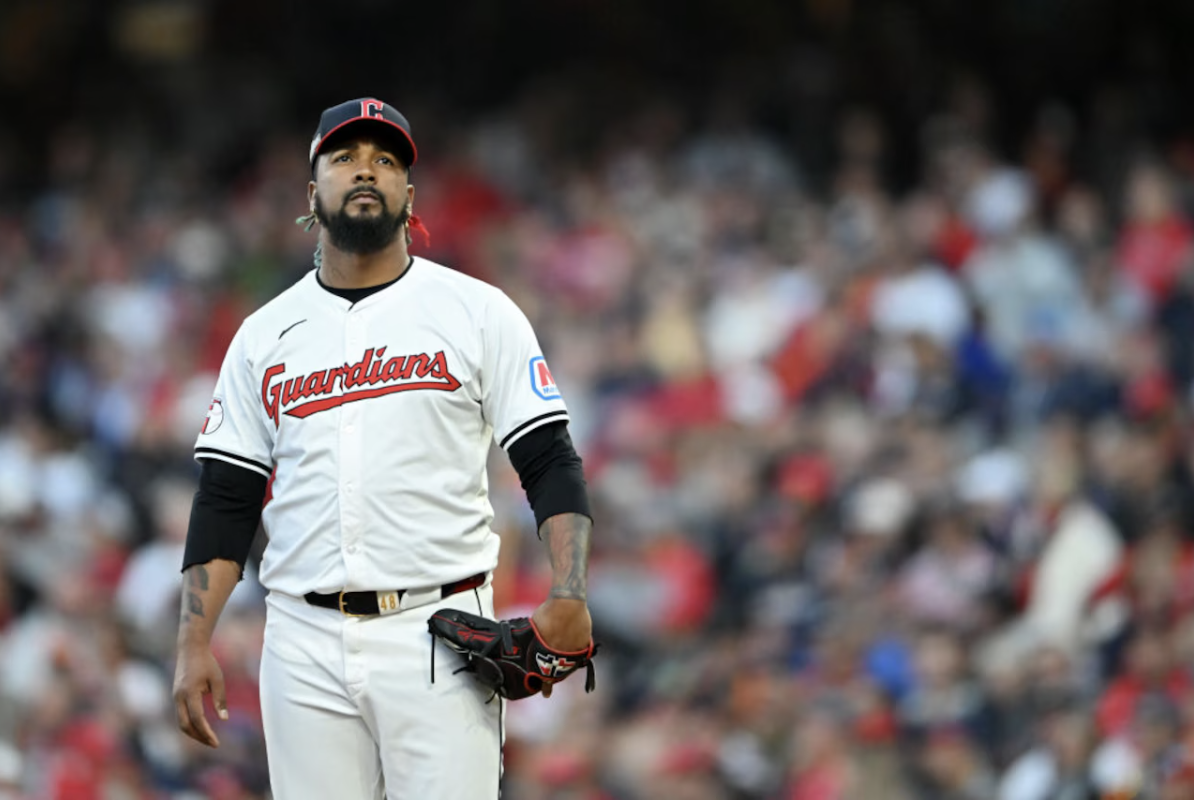
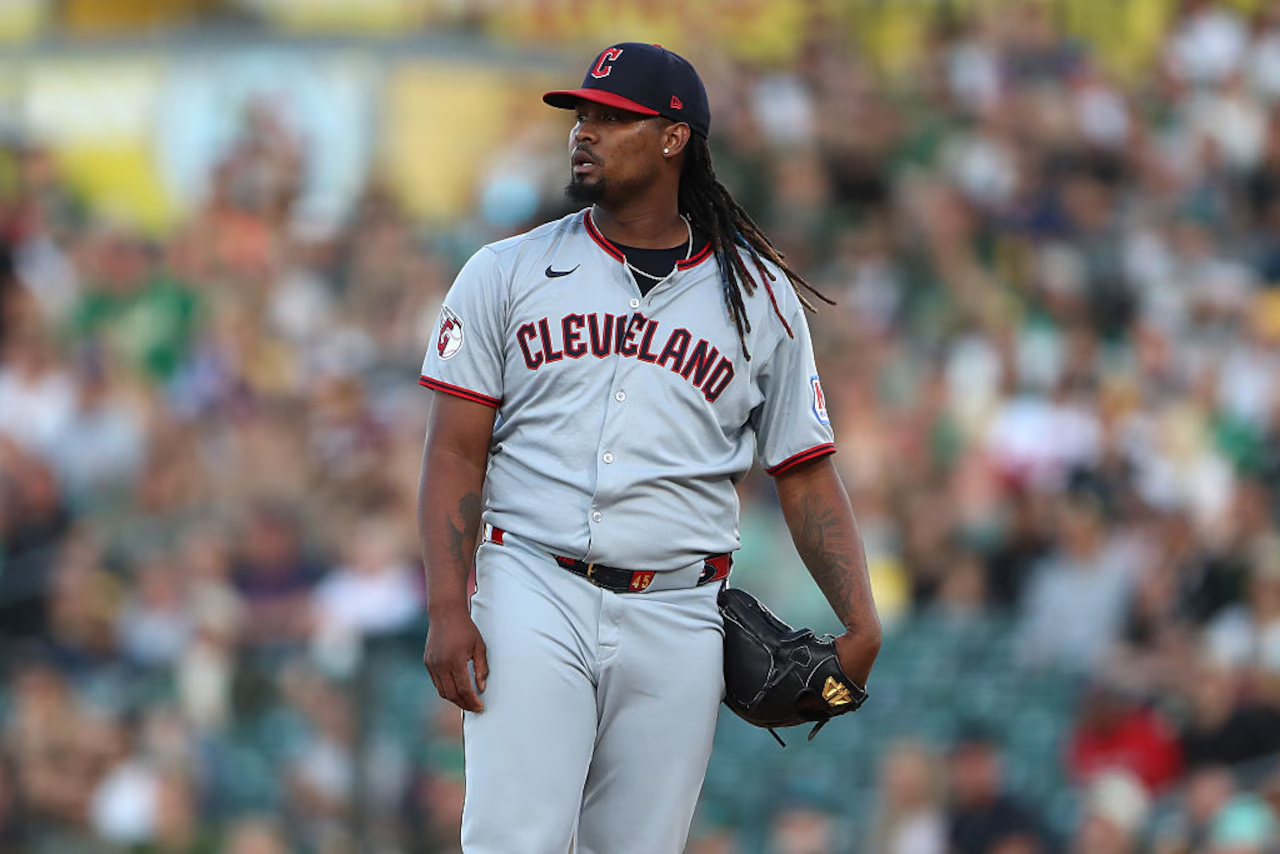
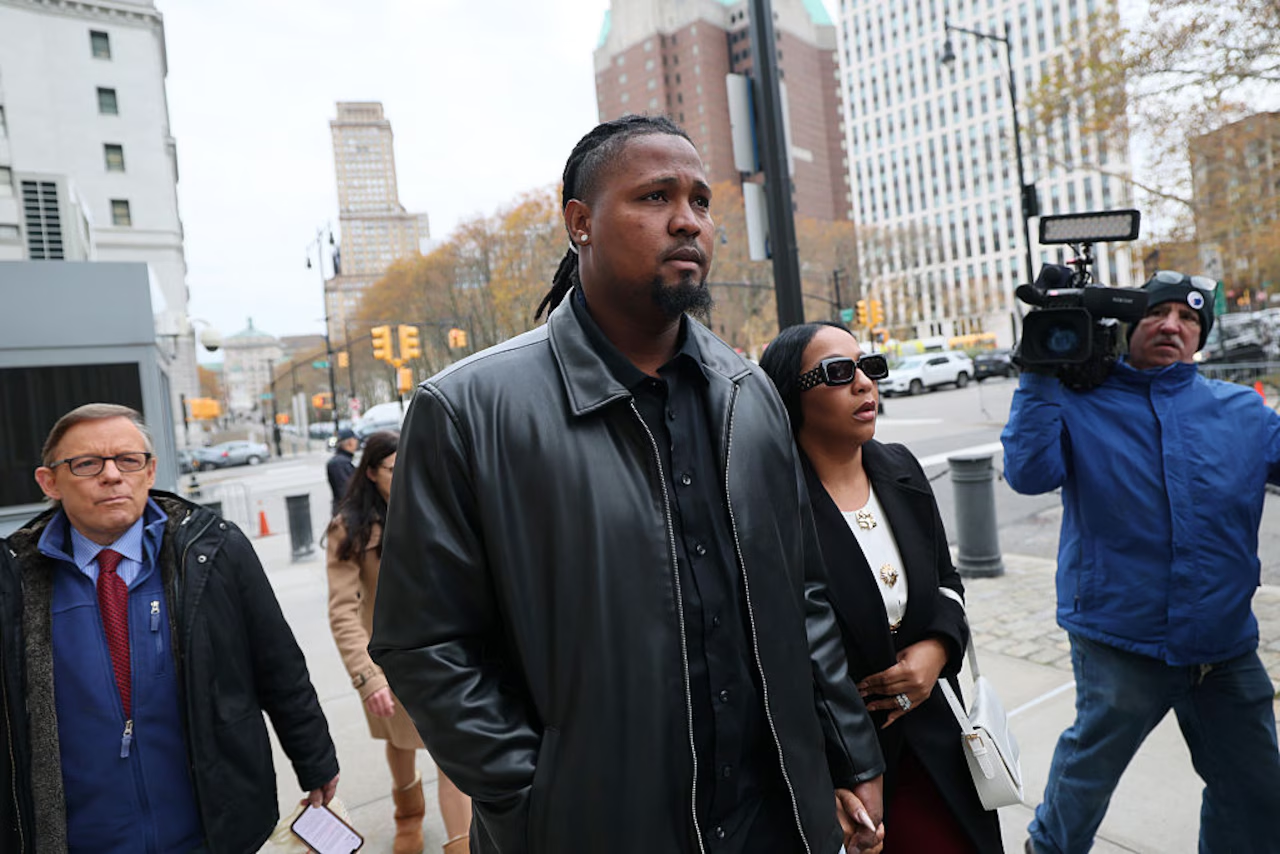
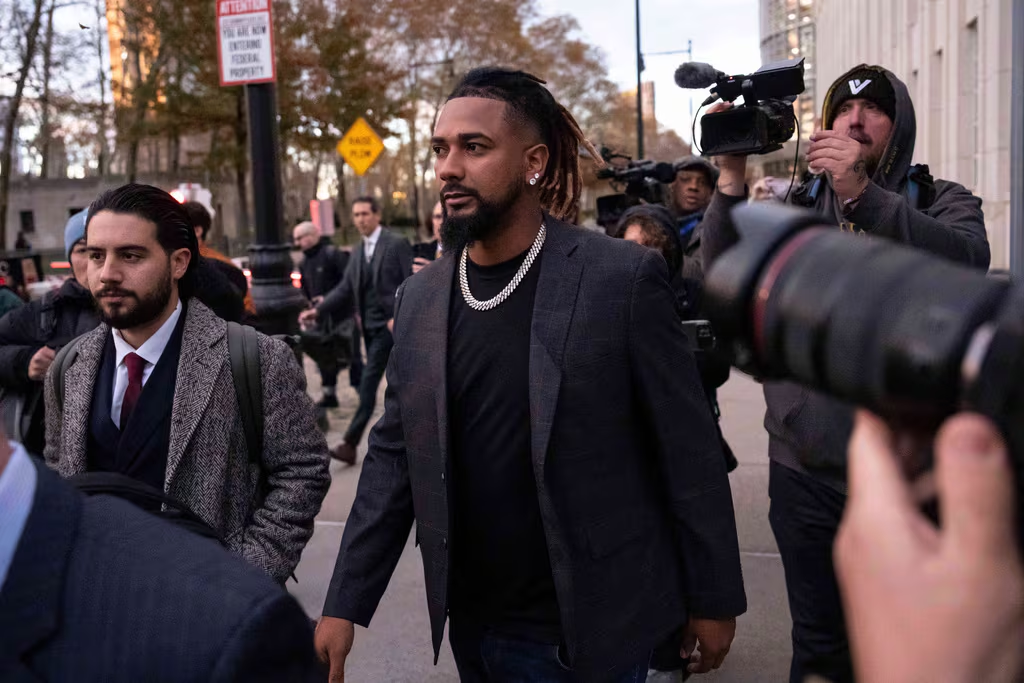
By now, I’m sure you’ve heard about the Emmanuel Clase and Luis Ortiz MLB gambling scandal. But in case you haven’t, here’s the TL;DR: two Cleveland Guardians pitchers were indicted on federal charges for allegedly coordinating rigged prop bets tied to specific pitch outcomes. According to the DOJ, the allegations include bribery, wire fraud and money laundering – serious charges that cut directly into the foundation of competitive integrity.
I considered taking a traditional journalistic approach here by calling agents, front-office executives, lawyers and players for formal statements. And while I did talk to people across the game, that isn’t what Business of Ball exists to do. This platform was built to share perspective from people who’ve lived the sport at its highest levels, connecting lived experience with economic reality and structural analysis.
So this piece isn’t reporting; it’s my perspective, informed by conversations with individuals throughout baseball: current and former big leaguers, development staff, legal minds and people close to the Guardians organization. It’s anecdotal where it should be, factual where it matters and grounded in the system-wide implications of what MLB is facing right now.
To understand the impact of this scandal, you have to look at it through multiple lenses: clubhouse culture, cultural dynamics inside the game, the business and economic structures that shape modern baseball, the realities of legal sports betting and the contract mechanisms that decide who gets paid (and who doesn’t) when major lines are crossed. None of these pieces by themselves explain why this happened, but together they reveal how and why baseball is being forced to navigate one of the most complex integrity challenges of the modern era.
The Clubhouse, Trust and How Quickly It Can Break
The clubhouse or locker room might be one of the most important cultural ecosystems in a professional sports organization.
It’s where trust is established, where players learn to rely on one another and where the difference between winning baseball and dysfunctional baseball shows up long before it ever reaches the field.
If you’ve ever played the game, or know someone who has, you know how fragile that trust can be.
When a pitcher deliberately manipulates pitch outcomes for money ~ if these allegations are true ~ that cuts deeper than any on-field performance slump ever could. It’s a breach that affects teammates, staff and the competitive foundation of the sport.
But to truly understand how something like this could unfold, you also have to acknowledge baseball’s cultural reality. The Major Leagues are a global environment made up of players from dramatically different backgrounds – not just in terms of baseball development, but in terms of economic conditions, cultural pressures and life experience.
A large percentage of Latino players come from developing countries or resource-limited environments, where opportunity looks very different than it does in the United States. Families often rely on a single player’s professional success to support multiple generations. Access to education, financial guidance, infrastructure, and long-term planning varies widely. That doesn’t justify bad decisions, but it does mean that players arrive in clubhouses with different frameworks for risk, trust and survival.
I learned a lot of this firsthand. I learned Spanish in clubhouses. I lived in Puerto Rico. I spent years side by side with teammates from the Dominican Republic, Venezuela and Mexico. I dated a woman from Guatemala and lived inside her culture long enough to understand pieces of how people think, worry, work, dream and navigate stress in countries with fewer safety nets and fewer resources.
And then my experiences in Asia – Korea and Japan – showed me something entirely different: highly structured environments built on hierarchy, discipline, uniformity and collective responsibility. The contrast between those cultures and Latin America is enormous, and both differ dramatically from American baseball culture.
The point isn’t to draw judgment or to explain away anything alleged in this case.
The point is to help readers understand that Major League clubhouses are not monolithic. They are complicated, multicultural rooms filled with human beings carrying very different histories, pressures and decision-making frameworks.
And when you take all of that into account – the human backgrounds, the cultural differences, the economic realities – you start to understand more about baseball players and their human side, which helps create better systems: legal gambling and regulations, education for players and families and more guardrails that are help keep the game clean.
Legal Gambling Isn’t the Villain—Structure Is What Catches Villains
One of the laziest narratives you’ll see right now is that legal sports betting is the problem.
It’s not.
The truth is that legal gambling is what makes it possible to catch this stuff.
When gambling is legal:
- Every bet is tracked.
- Every account is verified.
- Every spike in prop activity triggers alerts.
- Every suspicious pattern becomes visible to regulators.
The only reason this scandal surfaced is because of that infrastructure.
Illegal markets don’t report anything. They don’t cooperate with the DOJ. They don’t flag irregular prop action. They certainly don’t hand over account histories tied to big league players.
Legal betting creates structure, and structure builds trust over time.
This incident doesn’t show a sport corrupted by gambling.
It shows a sport with systems good enough to detect corruption.
The Human Element
Greed isn’t new. Pressure isn’t new. And bad decisions certainly aren’t new. Unfortunately, the human condition doesn’t change just because technology and betting availability becomes more accessible.
When I played, gambling obviously existed, but the channel looked different.
It was underground.
There were stories and maybe some rumors, but if someone was doing what these players allegedly did, most of us didn’t know about it. But there wasn’t an app that let someone bet “Emmanuel Clase’s first pitch under 98.5 mph.”
Technology changed the opportunity landscape and legal gambling just changed the accountability landscape.
And human nature sits right between the two.
Most players are honest.
Most players love the game.
Most players would never risk betraying their teammates or their family name.
It only takes a few outliers to force an entire industry to adapt, but it’s for the better.
And credit to MLB: the league and major sportsbooks have already taken steps to limit certain prop bets, especially micro props tied to individual pitches—because those markets are the easiest to manipulate. More adjustments are likely coming, but the larger point is this: modern baseball lives in a world where legal betting is part of the ecosystem, and structure – not prohibition – is how integrity is protected.
Contracts, Insurance, and Who Gets Paid Now
Fans may hear the words “guaranteed contract” and assume the money is untouchable.
In reality?
It’s a little more complicated.
Here’s what we can say with confidence:
MLB can suspend or ban players under Rule 21
Betting on baseball or manipulating outcomes opens the door to the harshest penalties in the sport.
But that’s the league side. The contract side is where things get murky.
Teams typically carry:
- Disability insurance
- Contract protection insurance
- “Underperformance” riders on certain policies
- Morals clauses baked into the Uniform Player Contract
- Exclusion language tied to criminal activity and fraud
What we don’t know, and can’t know without their contract details, is the Guardians’ specific policy coverage on Clase or Ortiz.
But what industry experts will tell you is this:
Insurance does not pay out on intentional criminal acts. Especially not acts that directly violate the duties of employment.
In plain English:
If a player is found guilty of rigging games, neither the team nor the insurer wants to be on the hook for millions. That’s where negotiations, grievances, appeals and legal arbitration happen.
Will Clase get paid the remainder of his contract? Will Ortiz?
We don’t know yet. The legal process, not public sentiment, will decide.
What we do know is that a case like this forces front offices across MLB to re-examine their contract protections as it pertains to legal gambling, risk exposure and insurance strategies immediately.
How the Industry Responds
This is the part no one talks about publicly but everyone in baseball understands privately.
Integrity is one of, if not, the sport’s most valuable economic asset.
Everything flows from it:
- National TV deals
- Local broadcast rights
- Sportsbook partnerships
- Sponsorship agreements
- Ticketing (fans expect authentic competition)
- Player valuation and contract structures
This scandal is a stress test.
And baseball will respond with tighter prop-bet limitations, increased integrity-monitoring technology, more rigorous player education, potential contract language adjustments and better mechanisms to detect pitch-level anomalies in real time through data.
The game is evolving.
The business is evolving.
And this case accelerates that evolution.
Closing Thoughts
Baseball isn’t ruined. Baseball isn’t broken. And this scandal doesn’t define the sport.
What it does is force baseball – players, teams, the league, the business partners – to navigate the realities of money, trust, culture, legal betting, contract structures and a sport evolving faster than ever.
The system caught this.
The players will be held accountable if proven guilty.
The league will adjust.
The business will adapt.
And the clubhouse culture will continue to demand the one thing every winning team is built on.
Trust.