



The Alex Bregman Blueprint: How Patience Became Power
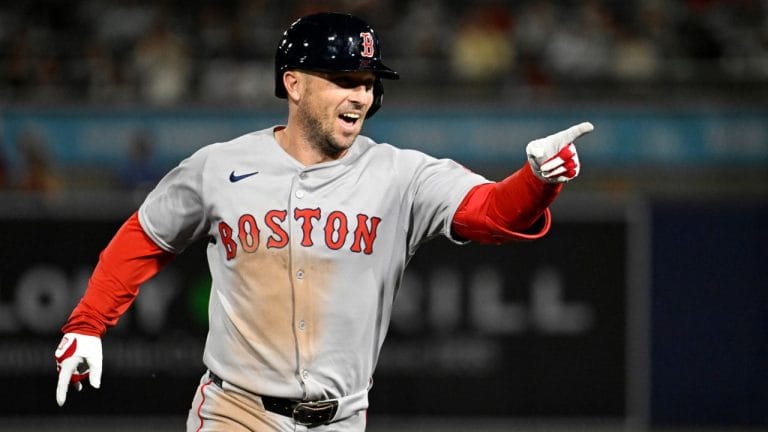
In a winter of free-agent signings driven by market forces, analytics, and front-office philosophy, Alex Bregman’s return to the free-agent market and eventual signing with the Chicago Cubs stands out—not because of the dollar figure alone, but because of the path he took to get there. For fans, pundits, and media, the contract will be dissected, but the real story is a business lesson in leverage, timing, and calculated patience—a blueprint that is redefining how elite free agents play a long, nuanced game of contract chess.
The Origin Story: From Opt-Out to Open Market
Alex Bregman entered the 2025–26 offseason not as a free agent by surprise, but by design.
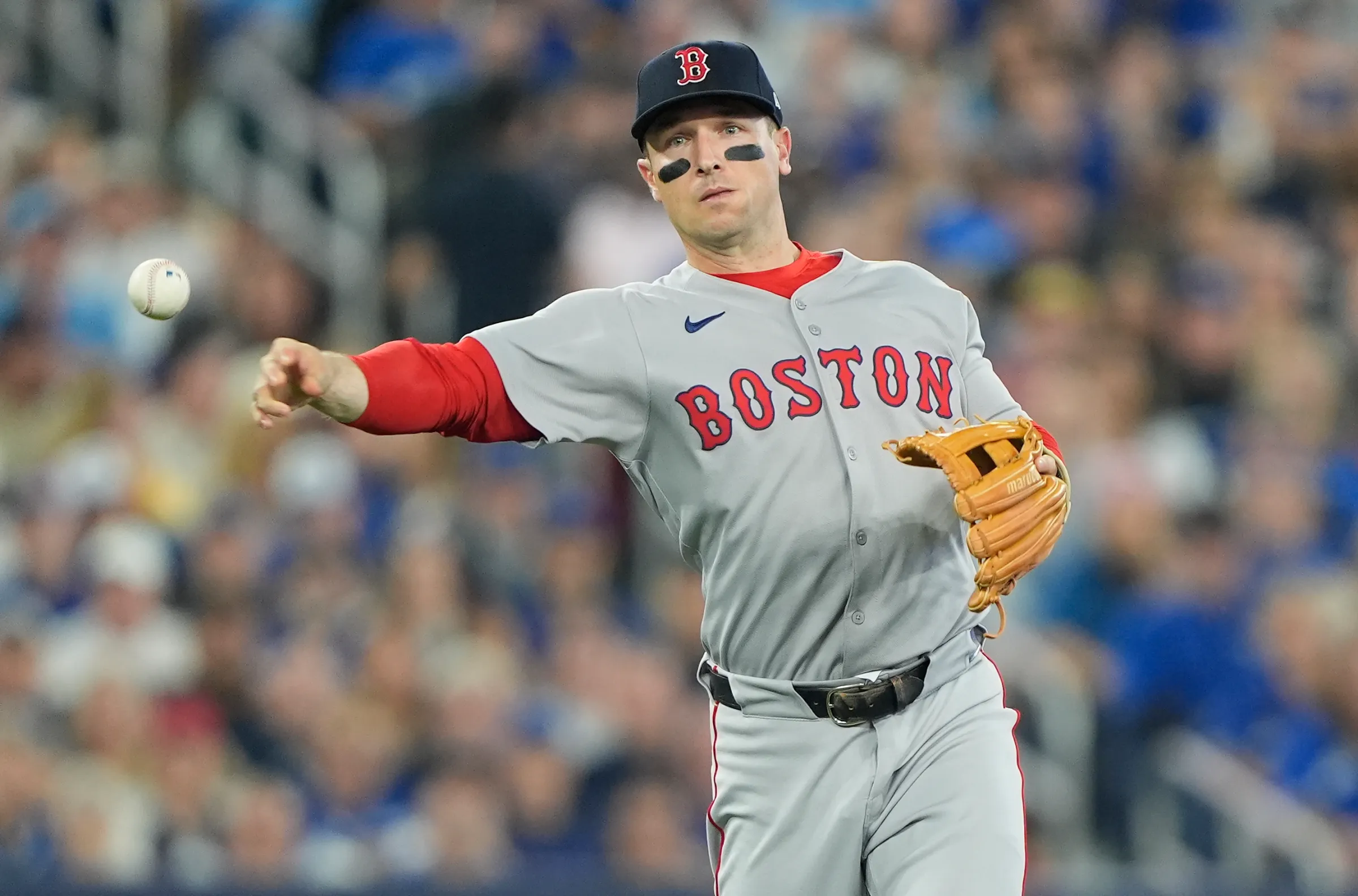
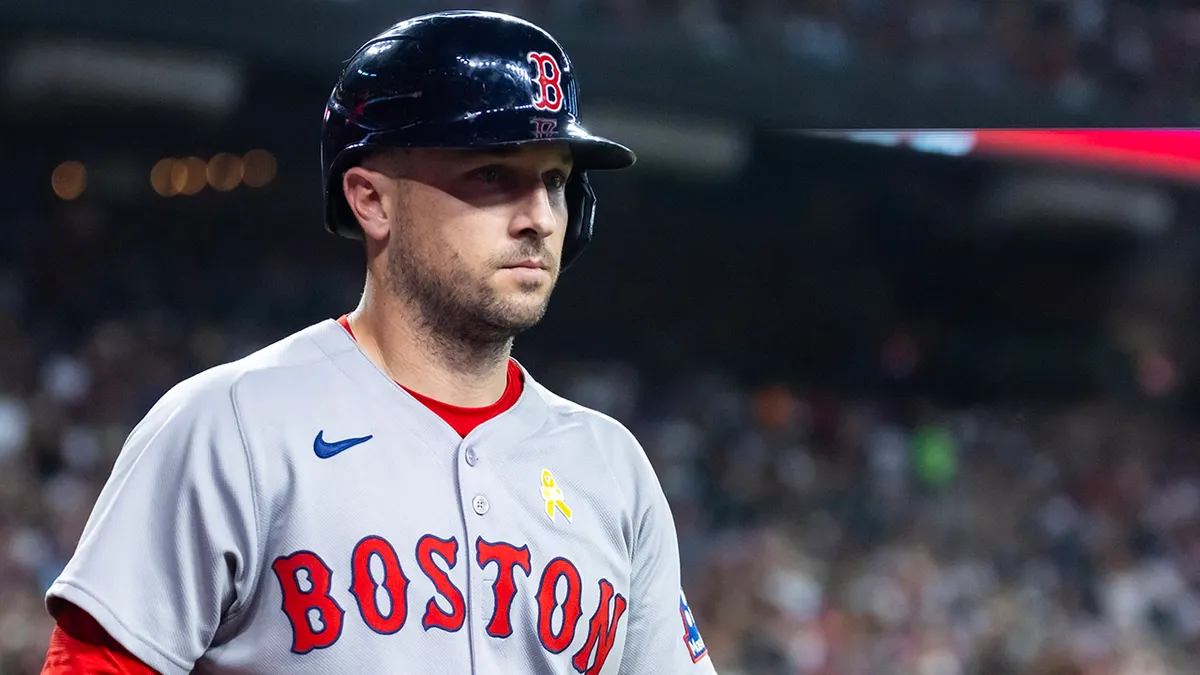
Last offseason, in February 2025, Bregman signed a three-year, $120 million contract with the Boston Red Sox that included opt-out clauses after each of the first two seasons. Despite his strong resume as a three-time All-Star and perennial impact bat, Bregman and his camp knew a long-term deal wasn’t going to come together in the spring of 2024 before that contract was signed. Reports at the time indicated multiple suitors (including the Cubs) made offers that didn’t align with his expectations, prompting him to pivot to Boston’s offer.
The opt-outs weren’t a hedge; they were an intentional strategic tool in a marketplace where timing often matters as much as money. And Bregman was willing to use time itself as leverage.
Boston’s Inflection Point: The Red Sox and Internal Dynamics
Signing a marquee player is never just about dollars—it’s about fit. That nuance was dramatically on display in Boston.
When Boston inked Bregman, Rafael Devers – already entrenched as the team’s third baseman – publicly resisted moving off the hot corner, creating an early culture and lineup conflict. The sequence forced Devers to shift positions to designated hitter, a move that, according to multiple insiders, created clubhouse unease and organizational friction. This was a power alignment problem.
By May 2025, Devers had a historic week but soon after dealt with injury issues, and a change was inevitable. While Boston ultimately moved Devers later that summer, the sequence highlighted a recurring theme with the franchise: signing assets without cohesive internal alignment. This nuanced failure did more damage than the headline contract could ever signal.
The Leverage Game: Positioning Over Panic
When Bregman opted out in November, he didn’t re-enter the free-agent market for any other reason than the leverage he ultimately created.
By opting out, Bregman walked away from the remaining value of the Boston contract (after two years, approximately $80 million of the $120 million) and re-entered an open market where he immediately became one of the most coveted bats.
Rather than grabbing the first long-term deal thrust his way, Bregman’s strategy hinged on patience. In a marketplace where teams, agents and players are often driven by fear of missing out (or fear of long-term financial commitment) he bet on his own enduring value and positional scarcity. That patience kept him in the spotlight and forced teams to keep valuation honest.
It’s a crucial distinction: Bregman didn’t gamble; he structured optionality.
The Boras-Bregman Strategy: Consistency in Patience
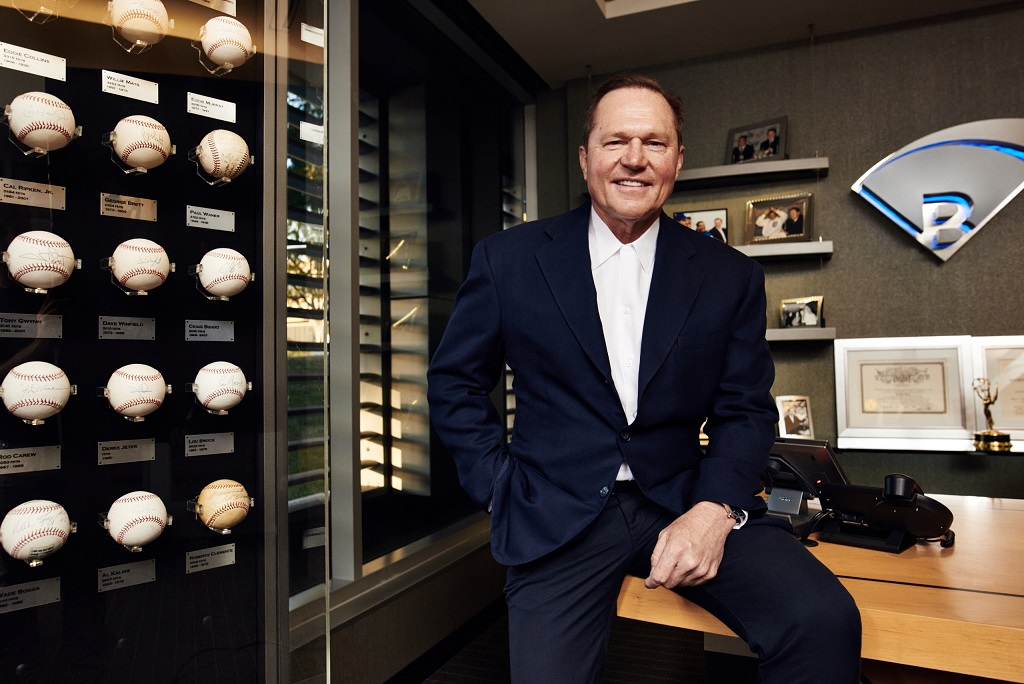
It’s impossible to tell this story without acknowledging Scott Boras, whose free-agency playbook has always been about maximizing optionality and market pressure. This isn’t passive waiting; it’s strategic patience—knowing when to hold and when to push.
In Bregman’s case, Boras leveraged the opt-outs to keep his client in a prime bargaining position, offering both security and flexibility that few other agents could credibly engineer. That positioning ultimately led to a five-year, $175 million contract with the Chicago Cubs, with an average annual value of $35 million.
Side Note: A Modern Precedent — Pete Alonso
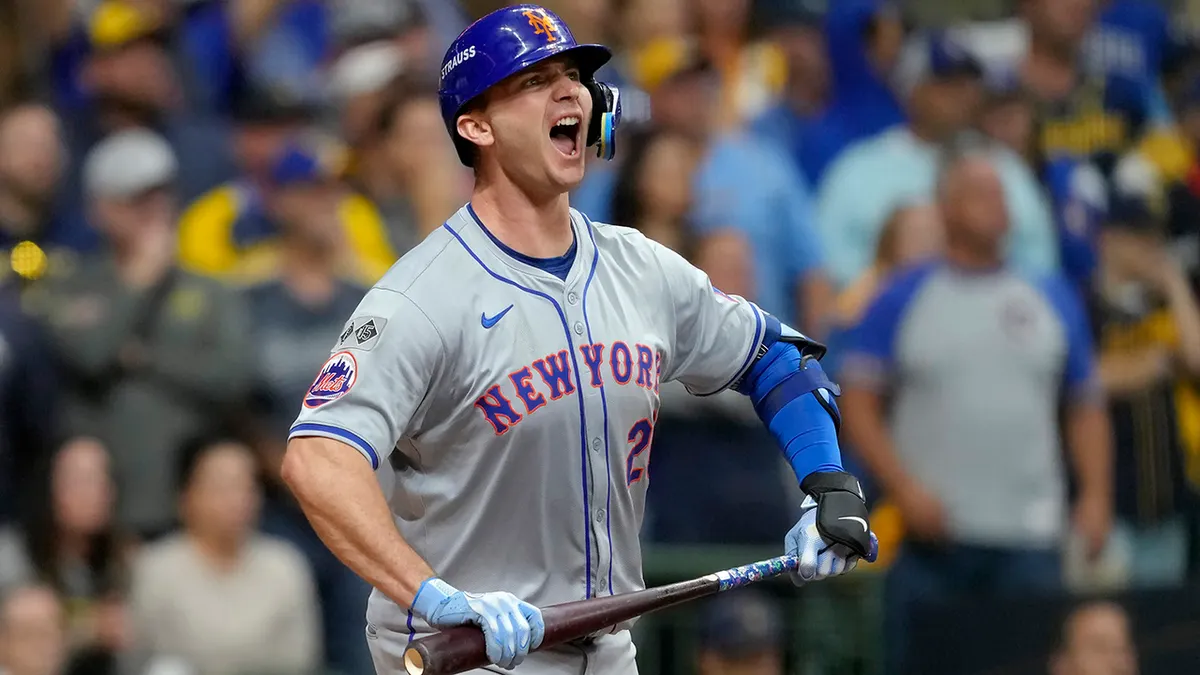
Boras employed a similar strategy with Pete Alonso in the 2024–25 offseason. Alonso initially signed a one-year deal with the New York Mets, preserving his long-term market value rather than locking into a mid-tier extension that might have undervalued him. After performing at an elite level, Alonso secured a five-year, $155 million contract with the Baltimore Orioles.
That pattern—short-term security followed by long-term leverage—is a recurring theme in how Boras structures deals for elite talent.
This technique flips the typical risk assumption: instead of front offices controlling leverage by offering security, top players can earn premium leverage by deferring security until market conditions are optimal.
Why Chicago Was Always the Endgame
Despite Boston’s willingness to offer a competitive deal, Chicago was always in the frame as the endgame destination—even if it wasn’t formalized at the outset.
Multiple industry insiders suggested that early overtures between Bregman’s camp and the Cubs were on the table last offseason but never matured into a long-term commitment. At the time, Chicago was still calibrating its financial strategy, opting for more roster flexibility rather than an early long-term commitment.
But baseball’s business is as much about timing as it is about desire. With multiple teams chasing fewer elite bats, the Cubs’ willingness this offseason to expand payroll and take on a marquee contract aligned with what Bregman had patiently been pursuing. In effect, they matched the market rather than dictated it—and in doing so, they finally landed their preferred target.
What This Means for the Modern MLB Free Agent
So what’s the real takeaway here? It’s not the headline number.
It’s the playbook that Bregman—and by extension, Boras—executed:
- Patience is a form of power. Elite players can maintain leverage by controlling when and how they re-enter markets.
- Optionality out-values early certainty. Players willing to bet on their continued performance can extract more favorable terms than those seeking immediate long-term security.
- Communication and alignment matter internally. Teams that fail to align roster construction with clubhouse leadership risk undermining their own best intentions.
For front offices, this means reevaluating how they approach elite free agents—not as commodities to be acquired at any cost, but as strategic assets whose relationship to the market matters as much as the performance metrics on the back of the card.
For players and agents, Bregman’s journey offers a template: don’t fear the market’s silence; manage it.
And for fans? Well, this winter’s drama might be remembered less for the dollars and more for the strategy game that played out off the field—a game that now might serve as a blueprint for the next generation of free-agent stars.
No matter what, everything is leading to a very interesting CBA negotiation next winter.