
Professional Softball Has No Offseason: Inside the Global Patchwork That Keeps Players Paid
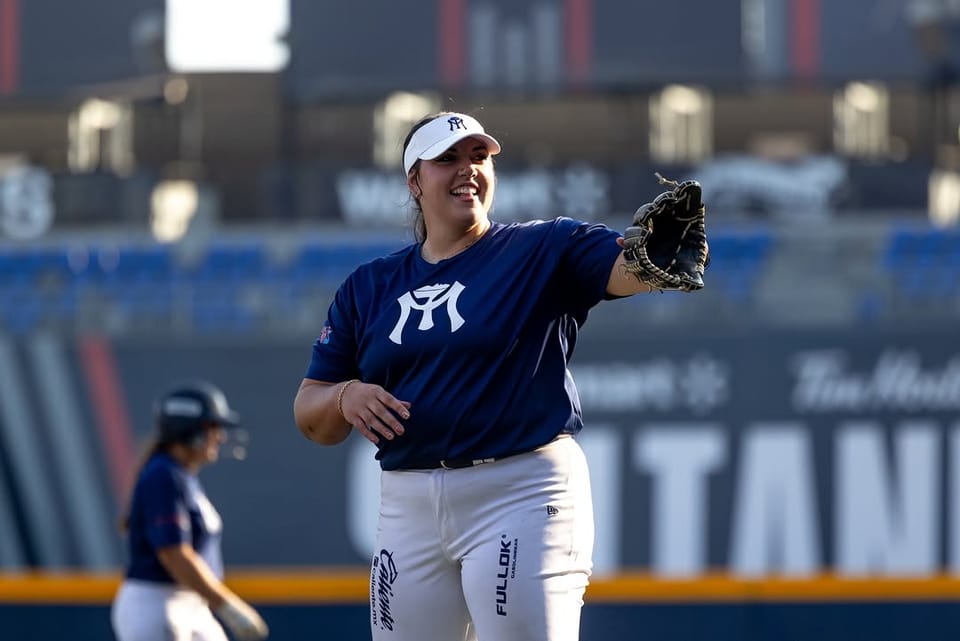
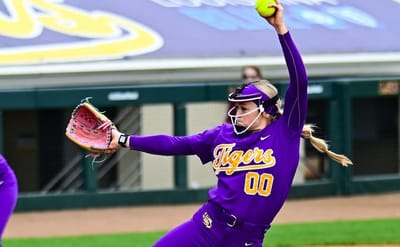
When Payton Gottshall says she’s “kind of all over the place,” she’s not joking. The former Tennessee Volunteers standout and current professional pitcher is literally chasing work around the world – summer in the U.S., winter in Latin America, a short stint in Europe or Asia during the in-between months.
"Whenever I’m not with AU during the summer, I’m looking pretty much anywhere that I can go play," said Gottshall. "I was in the Netherlands for about two or three weeks … and then I was home for literally like 48 hours and then went to Taiwan…”
That grind is the hidden economic reality for many professional softball players today: the U.S. season alone isn’t enough to pay the bills. To make a full-time career of the sport requires stand-up international travel, side gigs like coaching or pitching lessons, and hope that the relatively new Athletes Unlimited Softball League (AUSL) will deliver on the promise of a permanent, well-compensated platform.
The Three-Month U.S. Window
In the U.S., the 2025 AUSL inaugural season consisted of four teams playing a 24-game regular season (June–July) before a best-of-three championship series. For players, that means one main domestic paycheck and then often a long off-season – or more accurately, a second season elsewhere.
According to league-published numbers, the average salary for AUSL players is approximately $45,000 per season, with opportunities to earn up to $75,000 through bonuses and incentives. While this is a major step forward for professional women’s softball in the U.S., the reality is still that most players don’t yet have the multi-year foothold or the local team, sponsorships and media revenue that other professional athletes enjoy.
The Global Patchwork
Gottshall’s year-round cadence highlights how many players fill the revenue gap:
- Summer: AUSL in the United States.
- Winter/Early Spring: Latin American leagues (e.g., Mexico).
- Interim stints: European or Asian leagues (Netherlands, Taiwan, etc.).
As one recent article noted, many U.S. professional softball players are now “flocking to Japan to get paid,” where corporate-owned teams pay more and offer more amenities.
This multiplicity of leagues, countries and calendar transitions creates instability for players – but also opportunity. It allows elite players to string together multiple contracts, but it also means constant relocation, short stays, and fragmentation of team identity.

The Career Ceiling
For the AUSL and its players, the goal isn’t just surviving the summer—it’s building a legitimate career pathway.
"I can actually see myself making a lifelong career out of this and not just play for a couple of years and then also have to be worried about another job,”
said Gottshall.
A few structural shifts are critical: longer seasons, city-based teams (AUSL is planning this for 2026), deeper media/sponsorship deals, and global interleague coordination. For now, most athletes must keep two or more “softball jobs” to remain fiscally viable.
The Broader Business Context
- The 2025 AUSL season marked one of the most ambitious U.S. pro-softball launches ever: 24 games per team, national broadcast partners (ESPN2, ESPNU), and a roster of 50+ NCAA All-Americans.
- Salary benchmarks: The new $45k average is transformative when compared with defunct U.S. pro leagues that paid players only a few thousand dollars per year.
- The investment piece: The Major League Baseball (MLB) made a strategic investment in AUSL ahead of its 2025 launch, signalling long-term commitment.
Still, full-time athlete status remains the exception, not yet the norm. Until the domestic season expands and player compensation rises further, the global patchwork will remain a reality for many.
Make It Make Sense
- Talent Retention Risk: If U.S. compensation doesn’t rise, elite players may pursue overseas leagues where pay and benefits are higher.
- Brand & Sponsorship Opportunity: Leagues that develop stable city-based franchises and longer seasons will tap into local fan bases, corporate partners and recurring revenue.
- Athlete Experience: The “nomadic” year-round model places significant demands on athletes – physical, mental and logistical – and the winners will be those leagues and programs that support stability, wellness and brand-building.
Big Picture
The story of professional softball isn’t just about the game – it’s about building a career. Payton Gottshall’s journey – from Tennessee to Mexico to Taiwan to AUSL – is a vivid example of how elite players are currently piecing together opportunities globally, while the U.S. system races to catch up.
For fans, brands, and the players themselves, a sustainable pro-softball career means more than one summer season. It means recognition, compensation, support, and an identity beyond “just a summer job.”
Sources
- “Why MLB Finally Invested in Professional Softball” — Sports Illustrated. (SI)
- “How much do AUSL players get paid?” — FanSided. (FanSided)
- “What is AUSL? 2025 softball schedule, teams, players, more” — ESPN. (ESPN.com)
- “New MLB-funded softball league steps up to the plate” — SportsDestinations. (Sports Destination Management)
- “U.S. Pro Softball Players Are Flocking to Japan to Get Paid” — Front Office Sports. (Front Office Sports)
- AUSL 2025 Media Guide / league FAQs. (AUSL)