Mike Steele — Pitching Coach & Performance Educator
Mike Steele didn’t follow a straight line to impact. His journey through playing, pro organizations, and player development explains why his coaching resonates.
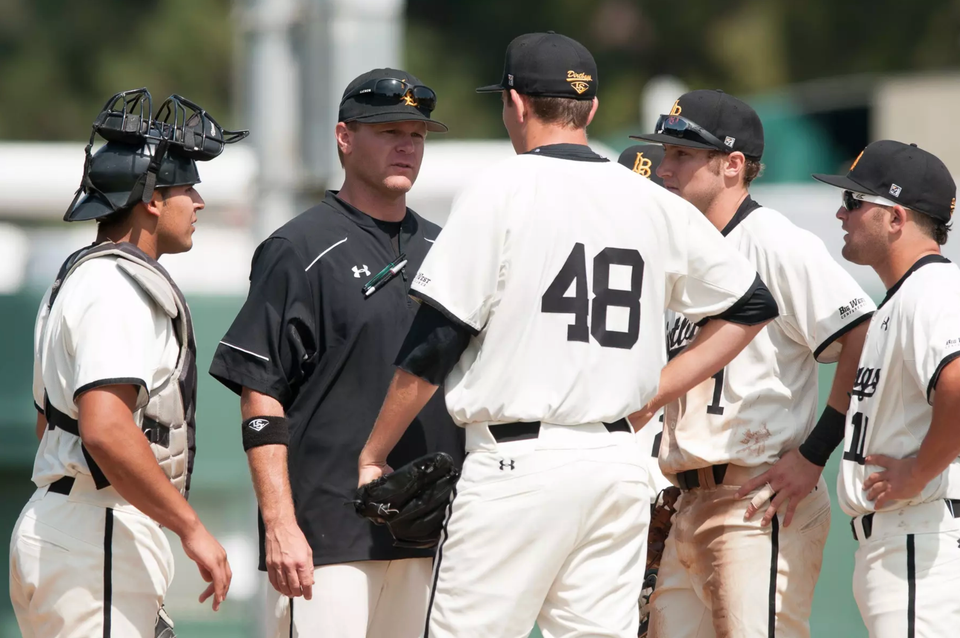
Mike Steele’s path through baseball has never been linear, and that’s precisely why his understanding of the game runs so deep.
A Michigan native and multi-sport high school athlete, Steele learned early how movement, competition, and resilience intersect. His playing career began at the junior college level, where he starred as a two-way player before continuing on to Central Michigan. Later, fueled by personal adversity and a renewed sense of purpose, he pitched the game of his life against Texas A&M in his senior season — a game that kickstarted the season of his life. Steele went 9–1, delivered that defining performance of his career against A&M in front of MLB scouts, and was later drafted by his hometown Detroit Tigers.
Professional baseball, however, had other lessons waiting.
Mike Steele On What Really Makes a Big Leaguer | Baseball Development, Resilience & Coaching
After being selected in the Rule 5 Draft, Steele’s playing career eventually fizzled — not because of a lack of talent, but because baseball, as it often does, demanded adaptation. Instead of walking away, he leaned in. Almost immediately, he transitioned into coaching, where his curiosity, observational skill, and intellectual approach to development began to separate him from his peers.
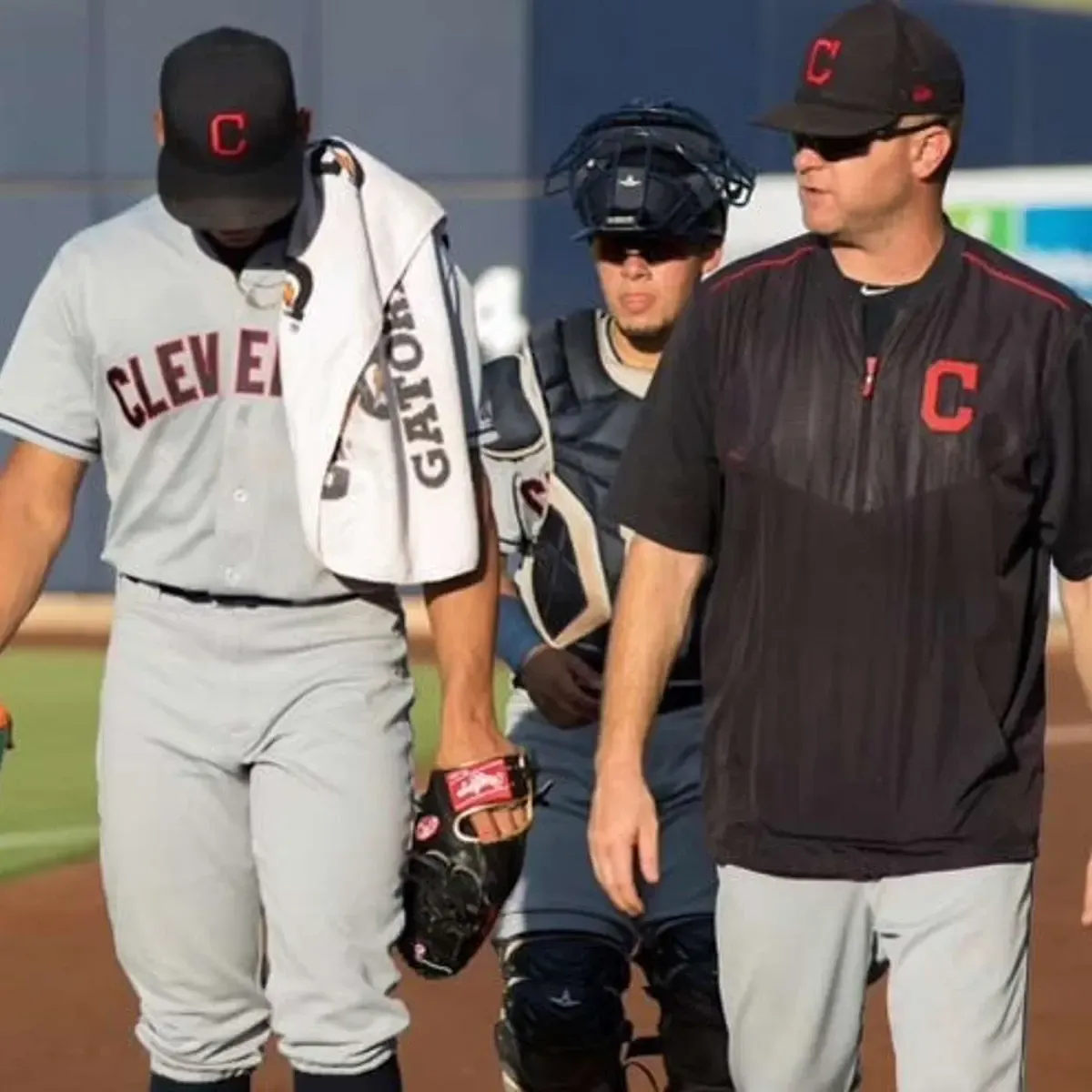
Steele became a successful college coach before moving into professional baseball, spending significant time with the Pittsburgh Pirates in player development and scouting. He later joined the Cleveland Guardians organization, where he worked closely across both minor and major league levels — particularly in pitcher development and return-to-play processes.
During his time with Cleveland, Steele developed a deep internal understanding of how modern organizations evaluate, rebuild, and sustain pitching performance. He worked extensively with rehabbing pitchers, offseason major leaguers, and high-upside arms navigating mechanical and physical resets — contributing to the Guardians’ reputation as one of the most effective pitcher-development organizations in the game.
Today, Steele is back in Michigan, where he has spent the last several years working hands-on with pitchers ranging from youth athletes to professionals — with a particular specialization in the critical 16–24 age window. His work focuses on delivery reconstruction, biomechanics, movement efficiency, and helping pitchers understand why their bodies move the way they do — not just what to change.
But Steele’s greatest strength isn’t found in drills or data alone.
Raised largely by his grandfather, Steele grew up surrounded by strong coaching figures who shaped his understanding of leadership, accountability, and learning. His family’s bar was another unconventional classroom — a place that exposed him early to human behavior, coping mechanisms, and the emotional layers people carry with them into performance environments.
That lived experience informs how Steele coaches today.
He is known for his ability to watch an athlete, quickly diagnose what’s happening beneath the surface, and translate complex movement and biomechanical concepts into language athletes can actually understand. His coaching is rooted in intelligence, empathy, and precision — helping players build awareness of their own bodies, patterns, and habits so improvement becomes sustainable, not forced.
In an era of shortcuts and surface-level fixes, Mike Steele teaches mastery — patiently, intentionally, and with uncommon clarity.