Inside the MLB Offseason: Key Dates, Winter Meetings, and the Business That Shapes the Game
The MLB offseason has its own rhythm – a calendar of deadlines, meetings, and quiet turning points that shape the year ahead long before pitchers and catchers report.
Some of these moments are highly publicized. Others happen quietly, behind closed doors, in the lobby of a convention hotel or across a dinner table where a trade or free-agent deal may suddenly take shape.
As someone who played through this cycle and now loves spending my time studying the business of the sport, I’ve feel the offseason tells you more about an organization as anything that happens on the field. The offseason is where philosophies are exposed, market strategies emerge, and opportunities swing open for the players and teams who understand timing better than anyone else.
Here’s a breakdown of the timeline, and why this time of year matters more than most people realize.
The Offseason Timeline: What ’s Actually Happening and When
Major League free agency begins the moment the World Series ends. For most players, this time is the opening bell – especially for the minor league free agents who can sign before major league free agency begins. For teams, it’s a chance to pounce early, set the tone, or wait out the market.
The best front offices already have their board built long before this date arrives.
General Managers Meetings (Early-to-Mid November)
Held annually in early November, the GM Meetings are where the offseason starts to take shape. They’re not as flashy as the Winter Meetings, but this is where initial conversations begin, groundwork gets laid, and early trade concepts start becoming real.
40-Man Roster Deadline (Around November 18)
This is a massive date for player development departments. Teams must finalize their 40-man roster to protect eligible minor leaguers from the Rule 5 Draft.
Careers can change here. Players get protected (or exposed), and clubs reveal what they truly think about their own system, usually their top prospects.
Non-Tender Deadline (Late November)
Clubs must decide whether to tender contracts to arbitration-eligible players. Every year this produces an unexpected wave of new free agents.
Simple process: Teams decide a range where they think their player is valued, if it is less than what his likely floor in arbitration is, they will “non-tender” him and he is now a free agent. Typically not a great thing for a player unless another team values him significantly higher.
MLB Winter Meetings (Early December)
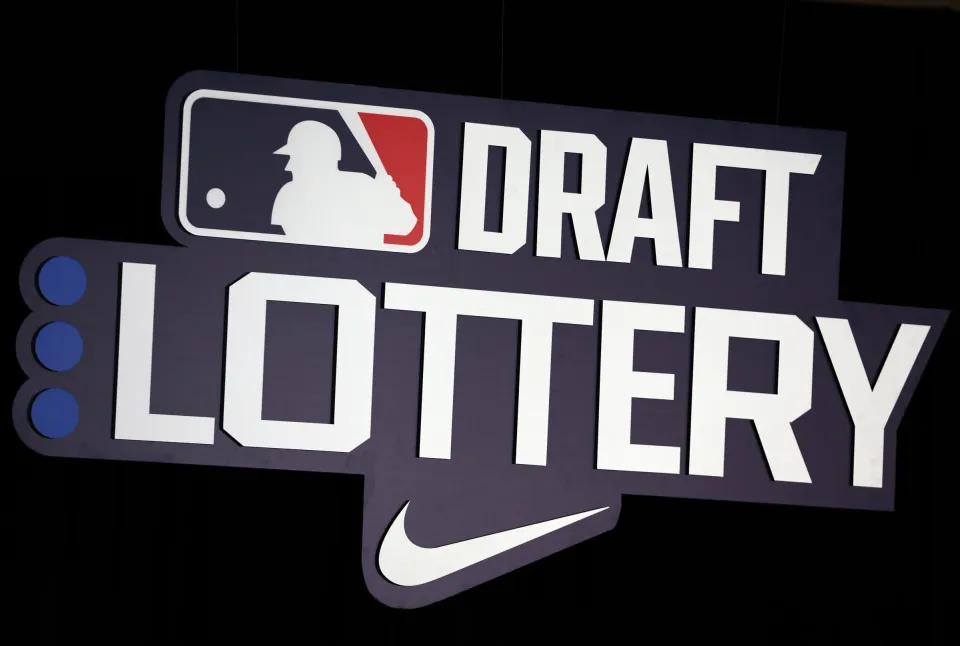
This is the heartbeat of the offseason – four days when the baseball world collapses into one hotel. Deals get done, rumors catch fire, the Draft Lottery and Rule 5 Draft take place, and everyone from scouts to owners to analytics directors share the same spaces.
We’ll get deeper into the Winter Meetings below because that’s where the business of the game really reveals itself.
International Signing, Arbitration, and Roster Construction (December–January)
These weeks are where edges are carved out. Teams finalize pre-arb deals, negotiate arbitration numbers, and begin to settle into the roster they’ll take into spring training.
Pitchers and Catchers Report (February)
The unofficial start of the baseball year – look out on social media as teams love posting their players arriving to the complex for the first day.
First Spring Training Games (Late February / Early March)
Prospects get looks, new free agents get their first looks in the new uniforms and jobs are won and lost for fringe roster guys and final roster spots.
Why the Winter Meetings Matter — On the Field and Off It
Winter Meetings week is one of the most important windows of the baseball calendar, even if it’s only four days long. For players and agents, it’s a moment when leverage can flip and opportunity accelerates. For teams, it’s efficient: every decision-maker you need is in the same building.
But the Meetings have an impact beyond roster construction.
The Economic & Community Impact of the Winter Meetings
Most fans don’t realize how big Winter Meetings week is for the host city. When baseball comes to town for the Winter Meetings, you’re talking thousands of hotel nights, millions in direct visitor spending, and a four-day media infomercial for the host city.
But the impact doesn’t stop with hotels and hospitality.
Small Businesses, Vendors, and MLB’s $2 Billion Diversity Engine
The Meetings are also where baseball’s small-business economy thrives. MLB’s Diverse Business Partners Program, the league’s supplier diversity initiative, has invested over $2 billion with diverse-owned businesses since 1998. Much of that activity connects through the Winter Meetings, when clubs do a significant share of their annual purchasing.
MLB’s senior director of supplier diversity Corey Smith summed it up perfectly:
The program has “focused on creating growth and economic impact for diverse businesses” for nearly three decades.
Walk the trade-show floor and it becomes obvious: apparel companies, technology innovators, equipment manufacturers, creative agencies, nutrition brands, training products — all with direct access to MLB buyers. For many small businesses, the winter meetings meetings are where the entire year takes shape.
Expansion Narratives: Nashville and Orlando
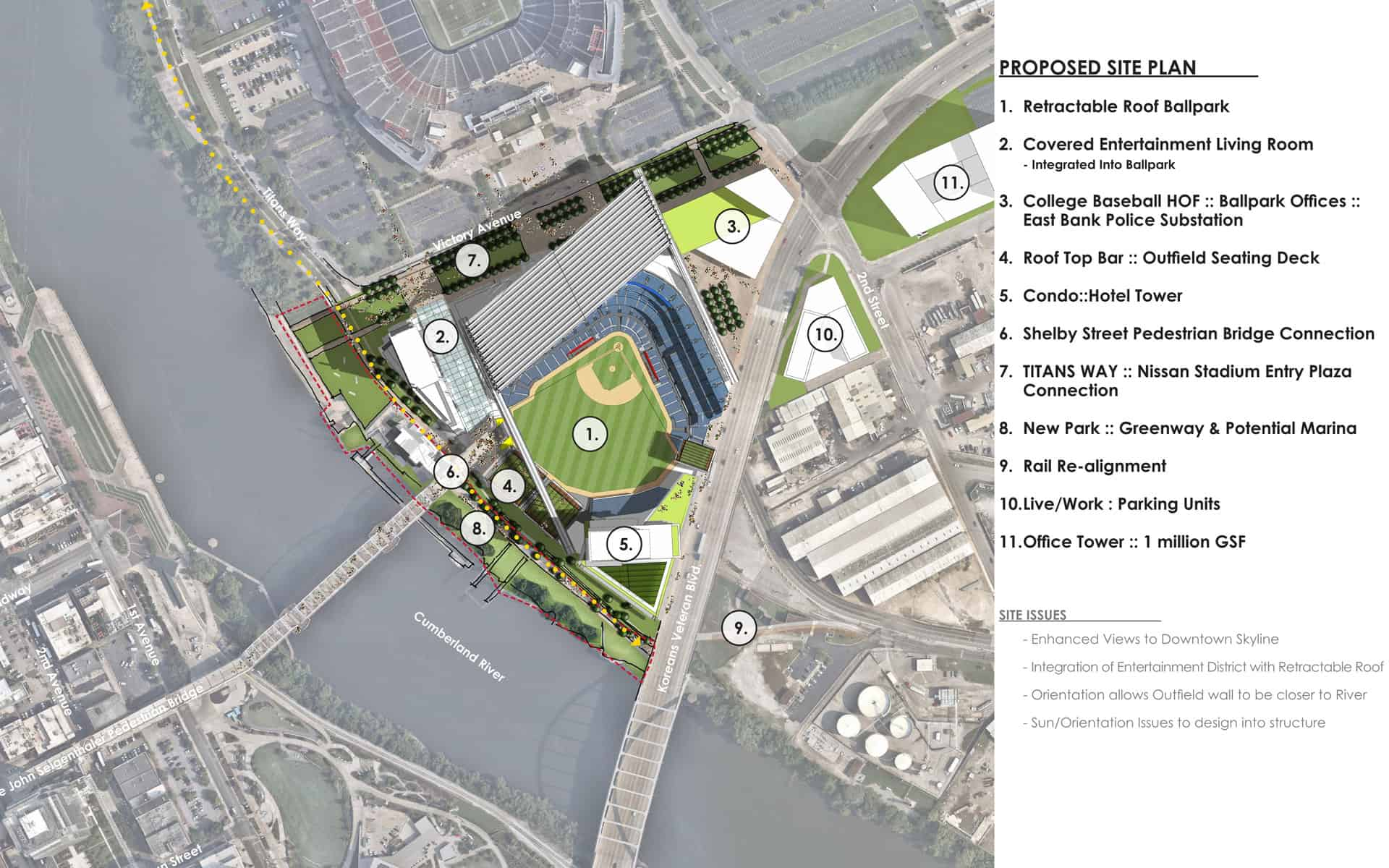
Winter Meetings week also doubles as a quiet stage for expansion energy. Nashville used the 2023 Meetings to accelerate its MLB expansion push, and this year may have a similar agenda
Orlando has gained momentum recently as a MLB host city. With its tourism corridor, stadium proposals, and even discussion surrounding the Rays potentially relocating, the Winter Meetings could become a soft proving ground for cities lobbying for major-league attention.
The idea that deals can be done (or begin) during late nights in the hotel lobby bar is true – expansion and team relocation is a huge part of that business right now.
And this year’s Meetings in Orlando bring all those storylines right back to the surface.
The Player’s, Team’s, and Fan’s Perspective
Players & Agents
I’ve lived this part — I was added to the Red Sox 40-man roster in the winter of 2013, and also traded in late January of 2015 where my life was completely flipped. The Winter Meetings are exciting and stressful, but an absolute integral part of a player’s career.
Teams
For front offices, efficiency is everything. Teams can meet with ten agents, five other organizations, and four technology vendors before lunch. Ideas that normally take weeks to chase down can be explored in hours.
It’s not just roster building — it’s scouting, analytics, player development, sports science, stadium tech, apparel, and vendor presentations.
Fans
This is rumor season — the fun part. Names leak, splash deals shake the sport, prospects move, and fanbases start mapping out their 2026 optimism. The Meetings give fans a real-time look at where their club stands. Just pay attention to parody accounts since most media members are way too excited to report “breaking news.”
Why This Year Matters — and What We’ll Be Watching
With technology accelerating, some fun free agent names and trade narratives and MLB’s business global ecosystem (Shohei) growing, these meeting should not disappoint.
I’ll likely be on the ground next week — following the deals, the conversations, the quiet buzz in hotel hallways, and the storylines that may not show up on MLB Network.
The offseason isn’t downtime. It’s the construction season for everything we’ll see on the field next year.
And the Winter Meetings are where that construction begins.