From NPF to AUSL: What Sahvanna Jaquish’s Career Reveals About the Business Evolution of Pro Softball
There was a time — not very long ago — when playing professional softball wasn’t really about building a career.
It was about refusing to let the game end.
For players like Sahvanna Jaquish, continuing to play after college meant choosing passion over practicality. The money wasn’t substantial. The infrastructure wasn’t stable. The visibility wasn’t guaranteed. What existed instead was a small but determined ecosystem built on athletes who simply weren’t ready to walk away.
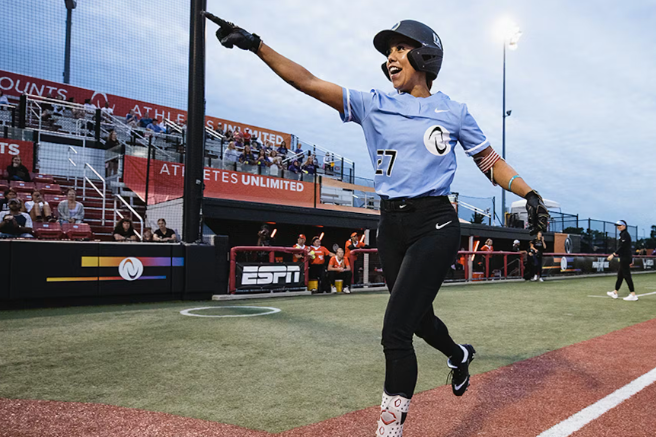
Today, Jaquish stands as something of a bridge between eras — one of the few players whose career has stretched across nearly every version of modern professional softball. From National Pro Fastpitch to Athletes Unlimited, Women’s Professional Fastpitch, and now the Athletes Unlimited Softball League (AUSL), her career mirrors the sport’s business evolution.
And in many ways, her story is less about one player and more about how an entire sport is slowly becoming economically viable.
Sahvanna Jaquish: LSU Legend, Team USA Gold Medalist & AUSL Champion | Out of Left Field
Playing for the love of the game
When Jaquish entered professional softball after her decorated LSU career, the model looked very different than it does today.
NPF, the primary league at the time, offered elite competition but limited financial upside. Players often supplemented their income through coaching, camps, or offseason jobs. Stability wasn’t guaranteed. Teams folded. Markets shifted. Seasons came and went without long-term certainty.
The economic reality was simple: professional softball wasn’t yet designed to be a sustainable full-time career.
And yet the talent stayed.
Players like Jaquish continued because the alternative was stepping away from the highest level of competition entirely.
That retention — athletes choosing to stay despite limited financial incentive — may have been the sport’s most important early business signal. Investors often talk about market viability. In softball’s case, the athletes themselves proved the product had value long before the revenue model caught up.
The Athletes Unlimited disruption
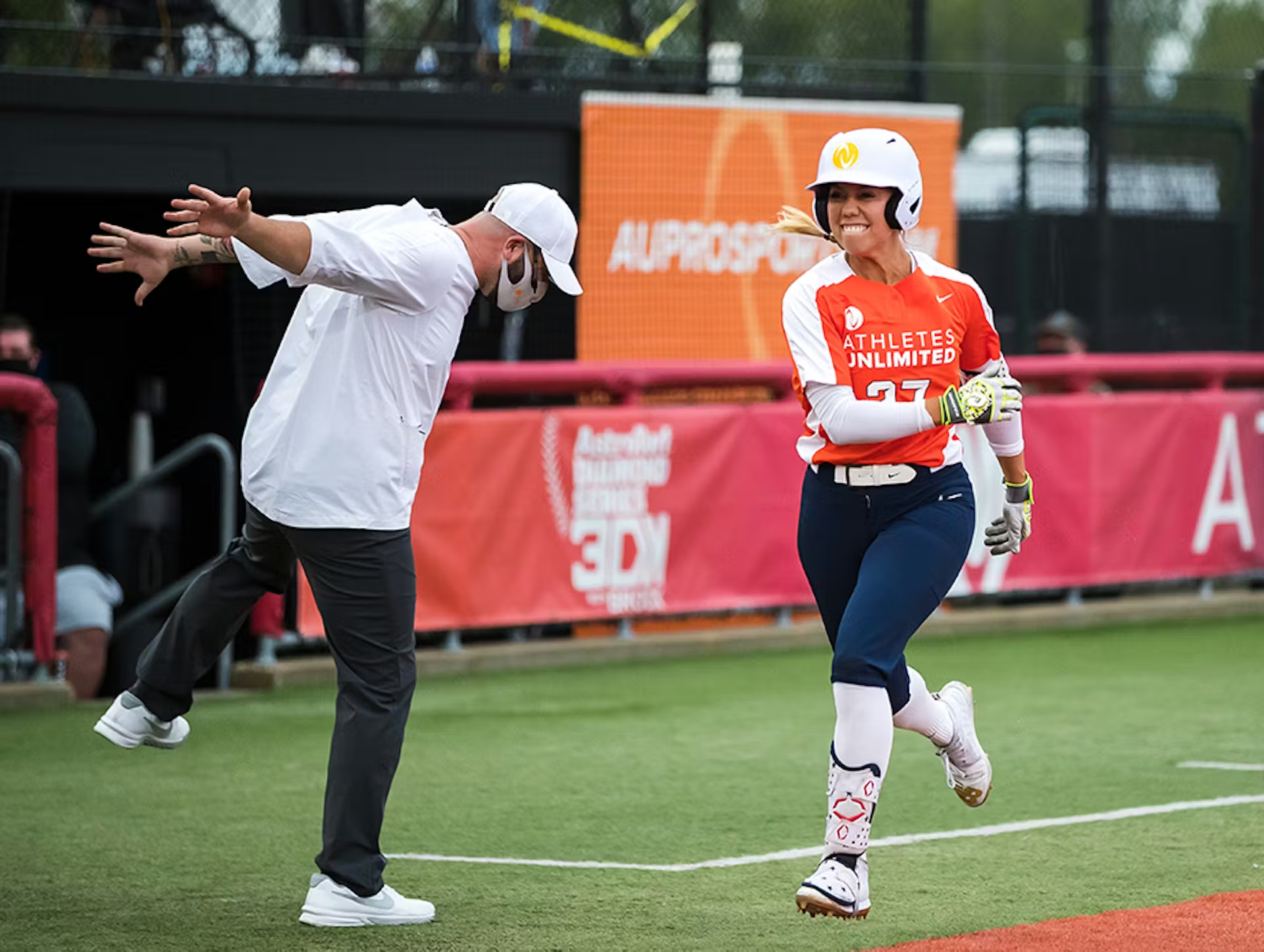
Athletes Unlimited represented the first real structural disruption to that model.
Instead of traditional franchises, AU centralized operations, controlled costs, and introduced an athlete-driven scoring format designed to maximize individual visibility. Just as importantly, it emphasized storytelling, broadcast access, and digital engagement.
From a business standpoint, AU wasn’t just a new league. It was a different economic experiment.
Centralized leagues reduce operational risk. Athlete branding increases individual marketability. Consistent media distribution creates sponsor value.
For players like Jaquish, it also represented something new: stability through structure rather than geography.
It wasn’t perfect, but it proved something critical — pro softball could be packaged differently.
The fragmentation phase
As AU gained traction, additional leagues like Women’s Professional Fastpitch entered the landscape, creating a fragmented but competitive ecosystem.
From a traditional business perspective, competing leagues can dilute talent pools and confuse audiences. But in emerging sports markets, fragmentation can also serve another purpose: it creates leverage.
More leagues meant more roster spots. More roster spots meant more negotiating power for athletes. More opportunities meant players no longer had to accept a single path.
Jaquish’s movement between leagues reflects this transition period — a time when the sport was still searching for the right structure but clearly moving toward growth.
The AUSL inflection point
If early pro softball was built on passion and AU introduced structural experimentation, AUSL may represent the sport’s first true scalability test.
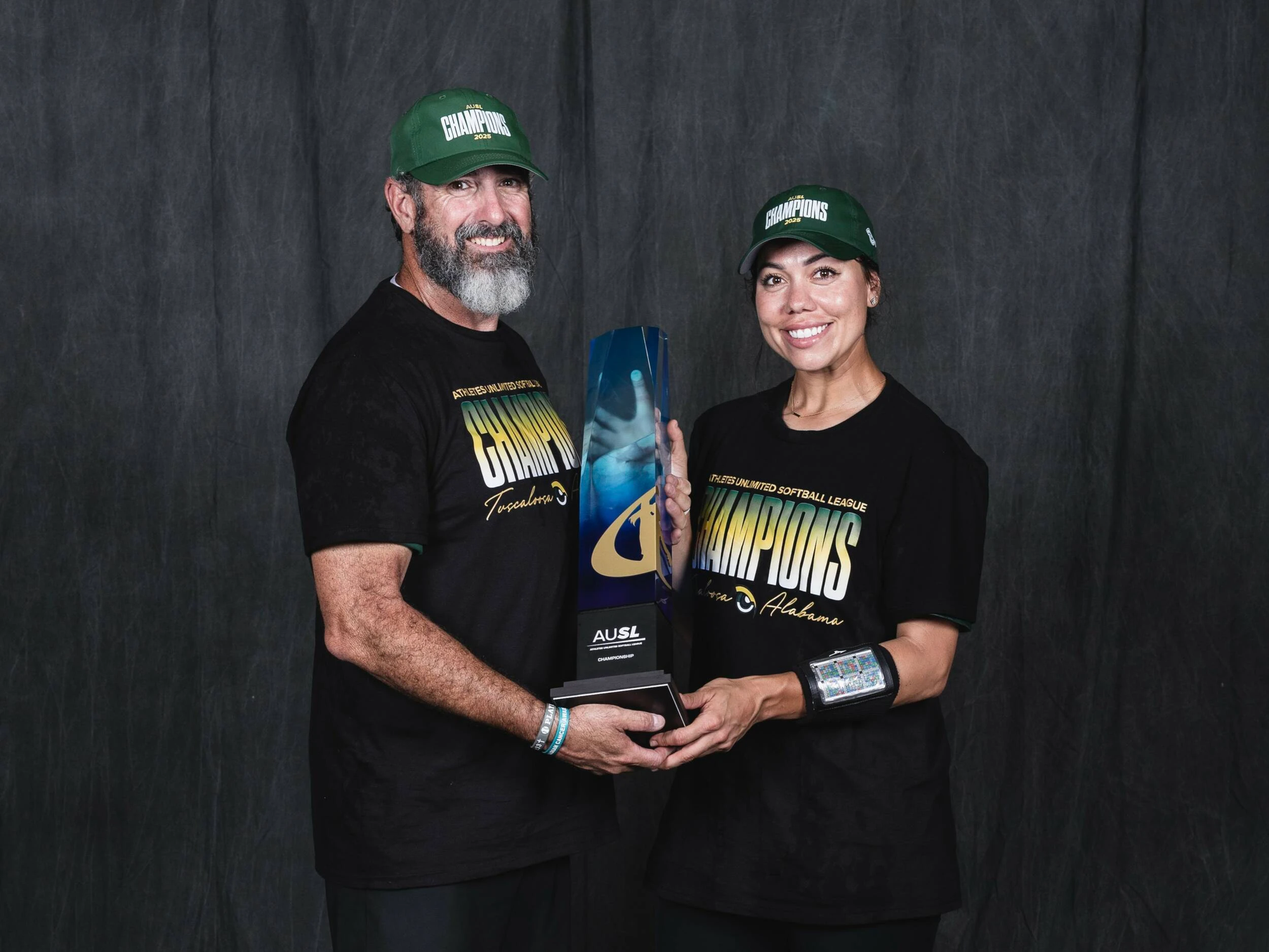
With Major League Baseball investment, ESPN broadcast commitments, corporate sponsorships, and increasing NIL integration, AUSL signals something different: institutional belief.
That matters because professional sports rarely grow purely from athlete demand. They grow when infrastructure, media, and capital align.
For the first time, softball is beginning to check those boxes simultaneously.
For veterans like Jaquish, the difference is tangible. The conversation has shifted from simply having a league to building a sustainable one.
And perhaps more importantly, younger players are now entering the sport with something previous generations didn’t have — visible professional pathways.
The athlete perspective investors often miss
From the outside, league growth is measured in media deals, sponsorship revenue, and attendance.
From the inside, athletes often measure growth differently.
They look for signs of permanence – better training environments, improved travel, professional operations, leadership investment.
But they also look for something less tangible: belief.
Jaquish spoke about watching the sport finally receive the respect players always felt it deserved. That sentiment reflects something investors sometimes overlook — athletes are often the earliest believers in a sport’s value.
In softball’s case, players sustained the industry long enough for the business side to finally catch up.
The real business question still ahead
The biggest question facing professional softball isn’t whether the sport can grow.
It’s whether it can sustain a true middle-class professional athlete career.
That requires reliable salary structures, long-term franchise stability, media rights expansion, corporate sponsorship depth, and youth participation pipelines.
The early indicators are promising. But sustainability, not momentum, will ultimately determine whether this generation of players becomes the last to play for passion or the first to build lasting careers.
The generation that stayed
If softball does reach that next phase, it will be because of players like Jaquish — athletes who stayed through uncertainty long enough to see opportunity begin to materialize.
Not because the system guaranteed it.
But because they believed the game was worth building.
And in the business of sports, that may be the most undervalued asset of all.
Because before leagues become industries…
Someone has to stay long enough to prove they can.