AUSL Expansion Signals a New Era for Professional Softball: Oklahoma City Spark and Cascade Join the League in 2026

The business of softball just took another major swing forward.
On Wednesday, the AUSL announced that the Oklahoma City Spark will officially join the league in 2026 — alongside a new expansion team, Cascade — bringing the AUSL to six total franchises for its second season.
The move is a signal that professional softball is evolving into something it’s long fought to become: cohesive, scalable, and sustainable.
Why Oklahoma City Is the Perfect Fit
If there’s a capital city for softball in America, it’s Oklahoma City.
It’s home to the Women’s College World Series, the USA Softball Hall of Fame Stadium, and will serve as the Olympic softball venue in 2028. Every June, the WCWS sells out more than 13,000 seats per session and draws over 1.2 million television viewers per game on ESPN — proving not only the market’s passion, but its spending power.
Now, that same energy gets a professional stage.
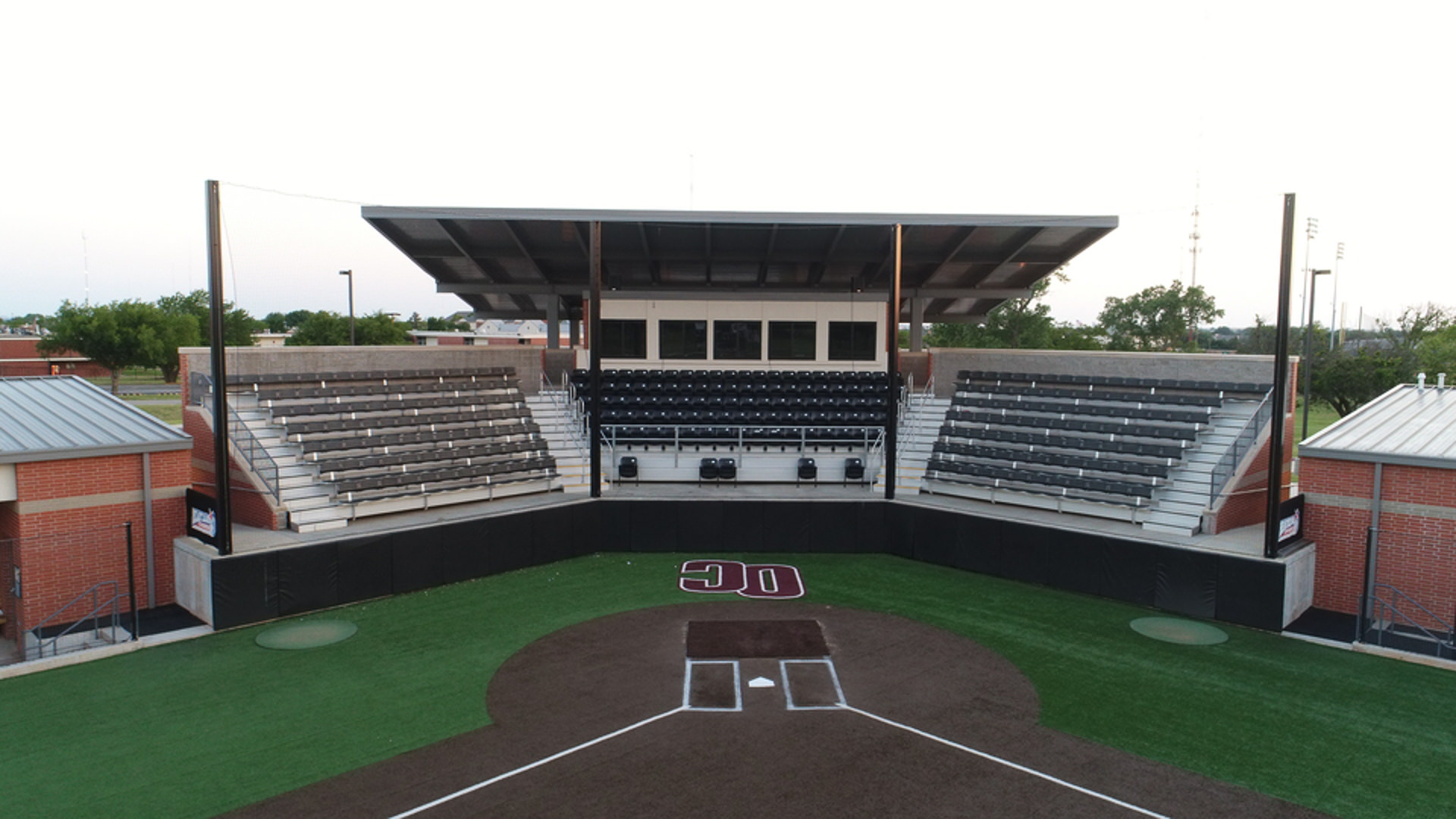
The Oklahoma City Spark, founded in 2022 and previously operating in the Women’s Professional Fastpitch (WPF) league, have built three seasons of brand equity and community trust. Their home games at Tom Heath Field regularly packed in youth teams and local fans, and their brand became synonymous with accessibility — players signing balls, clinics for kids, visible representation for women’s sport in a state that lives and breathes it.
By joining the AUSL, the Spark’s operators, Tina Floyd and Destinee McElroy, are betting that the sport’s most promising new league can take that momentum national.
The AUSL’s Expansion Model Is Built for Growth
What makes the AUSL different from previous pro softball attempts isn’t just funding — it’s structure.
The league will retain control of player contracts, scheduling, media rights, e-commerce, and national sponsorships, while Spark Softball handles local operations, community events, and ticket sales.
In other words: the AUSL is centralizing the money and decentralizing the connection.
That model mirrors what leagues like the WNBA and MLS refined over the last two decades — top-down financial oversight paired with local activation. It’s a hybrid that gives teams the autonomy to build city-specific cultures while keeping the league’s brand and broadcast value consistent.
It’s also how you build stability in a space that’s seen a decade of fragmentation — from NPF to WPF to the barnstorming formats that came before AUSL.
Why This Matters for the Business of Softball
Oklahoma City’s inclusion fills a crucial gap in the professional pipeline: a market that already knows how to support softball — with infrastructure, tourism, and culture already in place.
Each year, the Women’s College World Series pumps an estimated $25–30 million into the local economy (per the Oklahoma City Convention & Visitors Bureau). The Spark’s transition into the AUSL system brings a year-round professional product to that same audience — keeping local dollars circulating around the sport and strengthening softball’s footprint between college and the pros.
From a macro standpoint, the AUSL’s model is quietly building a foundation that other women’s leagues are watching closely:
- Revenue diversification: Centralized rights, local ticketing, and event operations.
- Media expansion: ESPN and ABC coverage in 2026 marks the first-ever national broadcast deal for pro softball.
- Talent sustainability: Player contracts and benefits that extend beyond seasonal play.
For investors, brands, and players alike, that’s stability with scalability — two things professional softball hasn’t had in decades.
A Unified Direction
With six teams — Talons, Bandits, Blaze, Volts, Spark, and Cascade — the AUSL is moving from an experiment to an ecosystem.
The addition of Oklahoma City adds a vital anchor to the map and to the mission: rooting professional softball in places where the game already matters deeply.
For a sport that’s long thrived at the college level but struggled to find commercial footing beyond it, this partnership might finally change that.
The Bottom Line
The Oklahoma City Spark joining the AUSL isn’t just a new team announcement. It’s the clearest sign yet that softball — professional, organized, and united — is stepping into its next era.
Because if the women’s game is going to keep growing, it needs what the AUSL is building: structure, storytelling, and a home.