Are Ultra Pouches Headed to the Pockets of Baseball Players Next?
For as long as baseball has existed as a professional culture, players have carried more than gloves and cleats into the dugout. There has almost always been a can in someone’s back pocket. Sometimes it was chewing tobacco. Later, it became pouches. More recently, it’s been nicotine alternatives. The object itself has changed, but the behavior hasn’t.
Baseball is a game of rhythm, repetition, and coping. Long seasons. Long games. Long waits between moments that matter. The dugout has always been a place where players manage nerves, energy, boredom, and focus in their own ways. The can was never just about nicotine or tobacco—it was about routine, comfort, and control.
Searching for Substitutes
When I was playing professionally, the health conversation around dipping was already shifting. The risks were no longer abstract. Clubhouses talked about it openly. Some organizations discouraged it outright. Others quietly tolerated it while players looked for substitutes that scratched the same psychological itch without the long-term consequences. That search never stopped.
Sunflower seeds. Gum. Energy drinks. Pre-workout. Coffee. Pouches. Each solved part of the problem, but none fully replaced the ritual. Baseball players are creatures of habit, and habits don’t disappear—they evolve.
How Nicotine Pouches Changed the Behavior
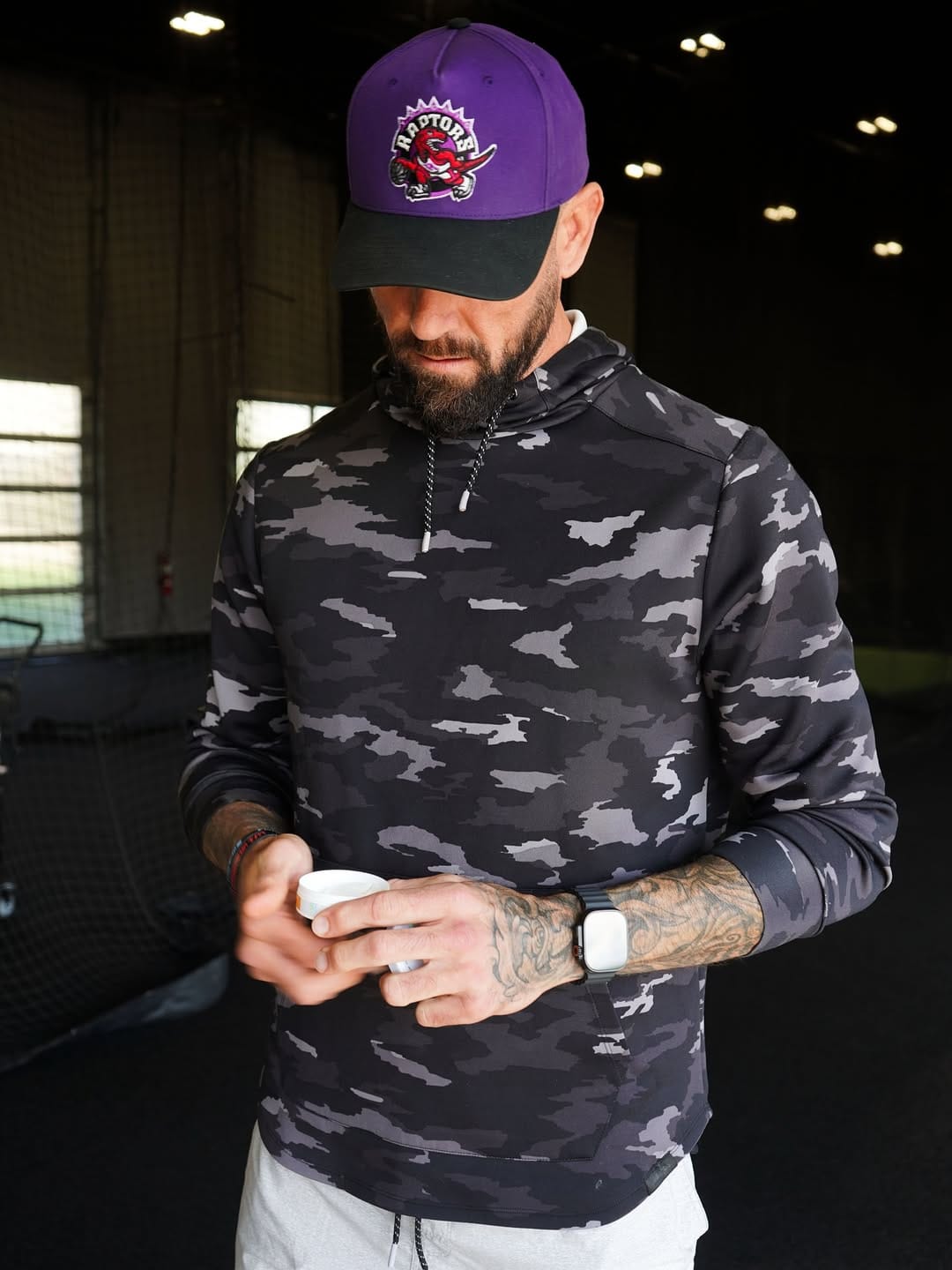
In the last few years, nicotine pouches changed the landscape. Brands like ZYN didn’t just offer a different chemical delivery system; they normalized the pouch itself as the behavior. The can stayed. The pocket stayed. The motion stayed. What changed was the substance.
That distinction matters more than most people realize. Once the pouch became culturally acceptable independent of tobacco, it opened the door to entirely different categories of use. The container became a platform.
Proof of Concept: Beyond Tobacco and Nicotine
Cannabis-adjacent brands figured this out early. Canadips carved out space by offering pouches with no tobacco and no nicotine, reframing them as functional tools rather than vices. Whether someone agrees with that use case or not, it proved a larger point: baseball players—and athletes in general—were open to non-traditional substances delivered through familiar formats.
That’s where nootropics—and specifically Ultra—enter the conversation.
Why Ultra Caught My Attention
I’ve never been a dipper. I wasn’t a pouch guy. I didn’t need something in my pocket to feel like I belonged in a clubhouse. But I understand the culture deeply, because I lived in it. And over time, I found myself using a product that surprised me—not because it gave me a jolt, but because it fit into an athlete’s rhythm I already understood.
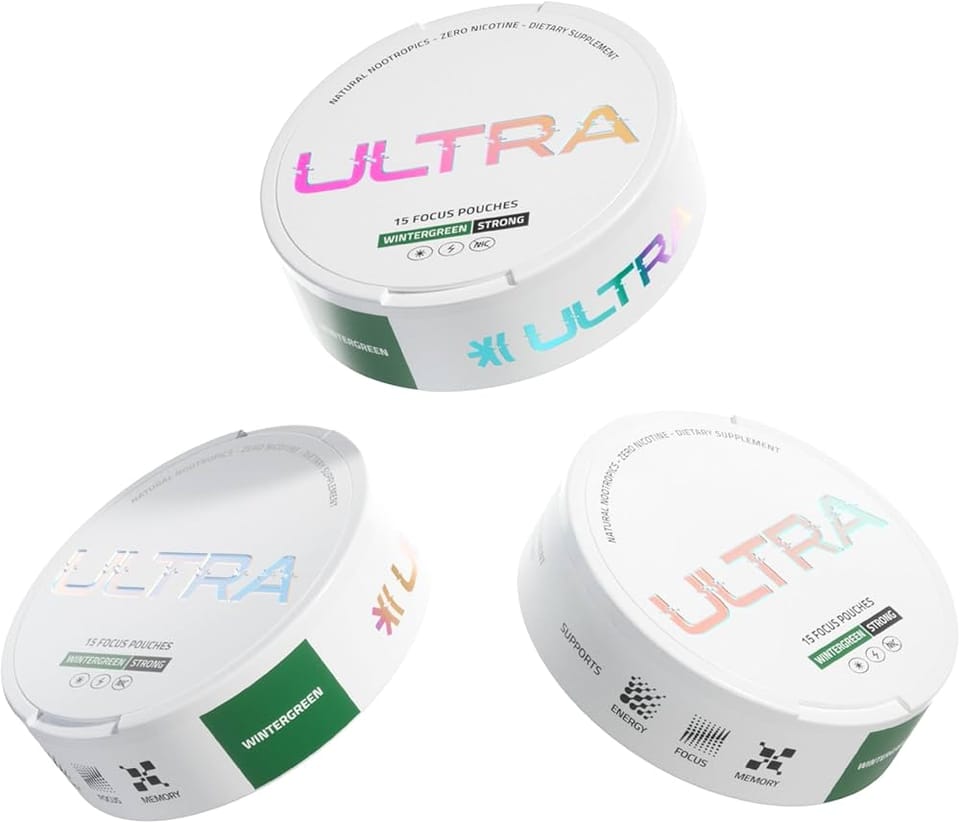
Ultra produces nicotine-free pouches formulated with a blend of six clinically studied ingredients designed to support focus, steady energy, and cognitive function. Their formulation includes ENFINITY® PX, a patented compound positioned for jitter-free focus; L-theanine, commonly associated with calm attentiveness; Alpha-GPC, often explored for mental processing; ginseng extract, linked to learning and creativity; and vitamins B6 and B12, which play a role in energy metabolism and mood regulation. Importantly for athletes, these ingredients are not traditional stimulants and are widely used across training, recovery, and supplementation environments.
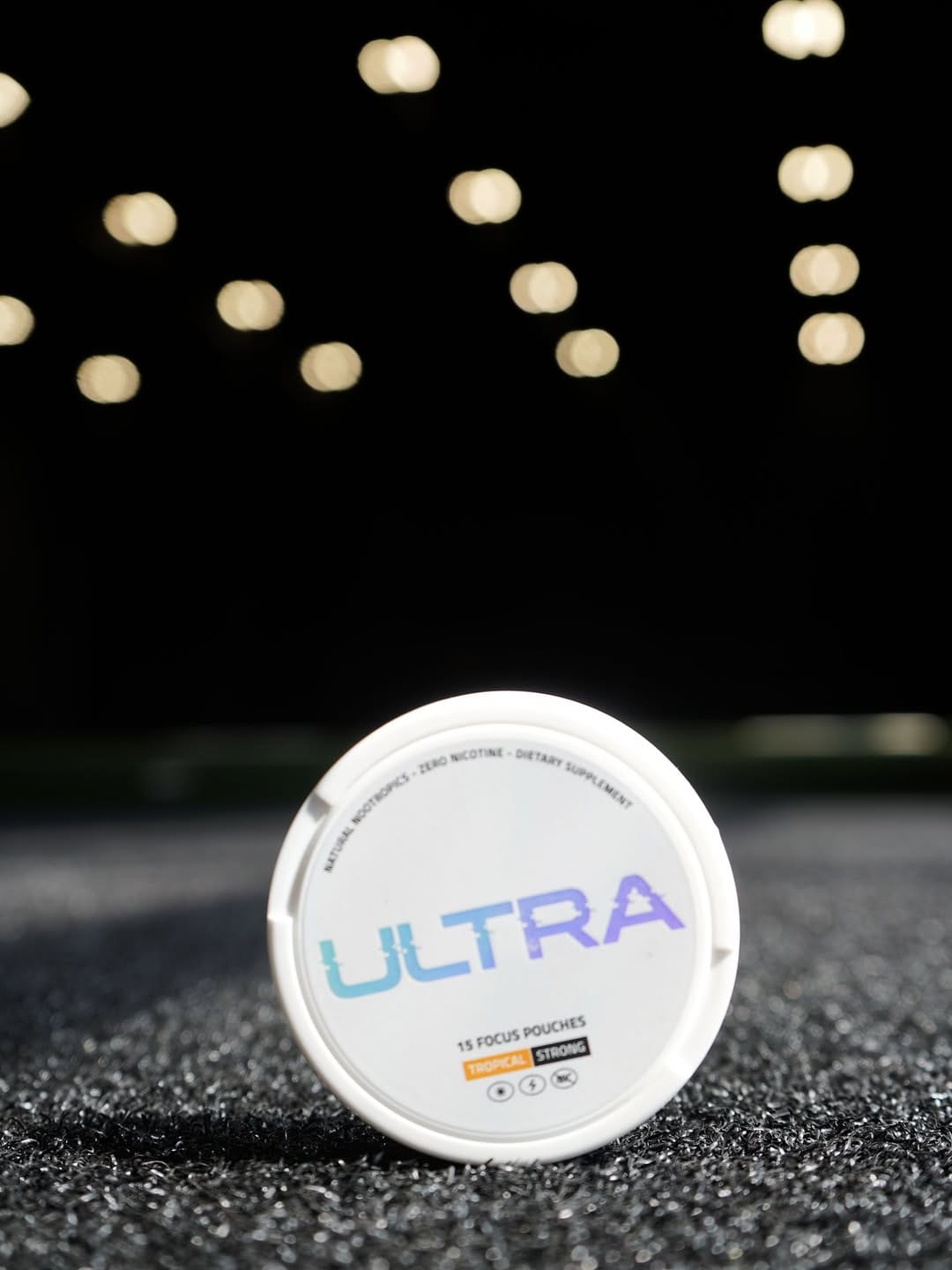
What initially drew me in wasn’t just the formulation; it was how the product showed up. The branding is clean. The packaging feels intentional. It doesn’t scream performance enhancement or miracle claims. In a category where products often overpromise, Ultra feels grounded. In sports culture, that matters. Trust is built long before a product is ever used in competition.
Focus Without the Spike
From an applied athlete perspective, the use case makes sense. Baseball players are constantly managing energy without wanting spikes. They play nearly every day. They train early, sit for long stretches, and are asked to be alert in short, high-leverage moments. Energy drinks can feel too aggressive. Pre-workout doesn’t translate well to game environments. Coffee isn’t always practical once the game starts.
A pouch-based alternative offers something quieter—focus without spectacle.
About Nootropics:
“Nootropics” is a broad term used to describe compounds—natural or synthetic—associated with cognitive functions such as focus, attention, memory, and mental clarity. While some nootropic ingredients have been studied for their effects on cognition and stress response, outcomes vary based on dosage, formulation, and individual physiology. Unlike traditional stimulants, nootropics are often explored for supporting mental performance without the sharp spikes or crashes associated with high-dose caffeine.
The Psychological Layer Athletes Understand
There’s also a psychological layer here that athletes understand intuitively. Many players don’t dip because they crave nicotine. They dip because it gives them something to do with their mouth, their hands, their attention. It’s an oral fixation, a grounding mechanism, a way to regulate stress between pitches, innings, or at-bats. Remove the ritual, and you often remove the comfort.
Ultra doesn’t try to erase that behavior. It adapts to it—without nicotine, smoke, or the same long-term health tradeoffs.
Trust, Testing, and Adoption
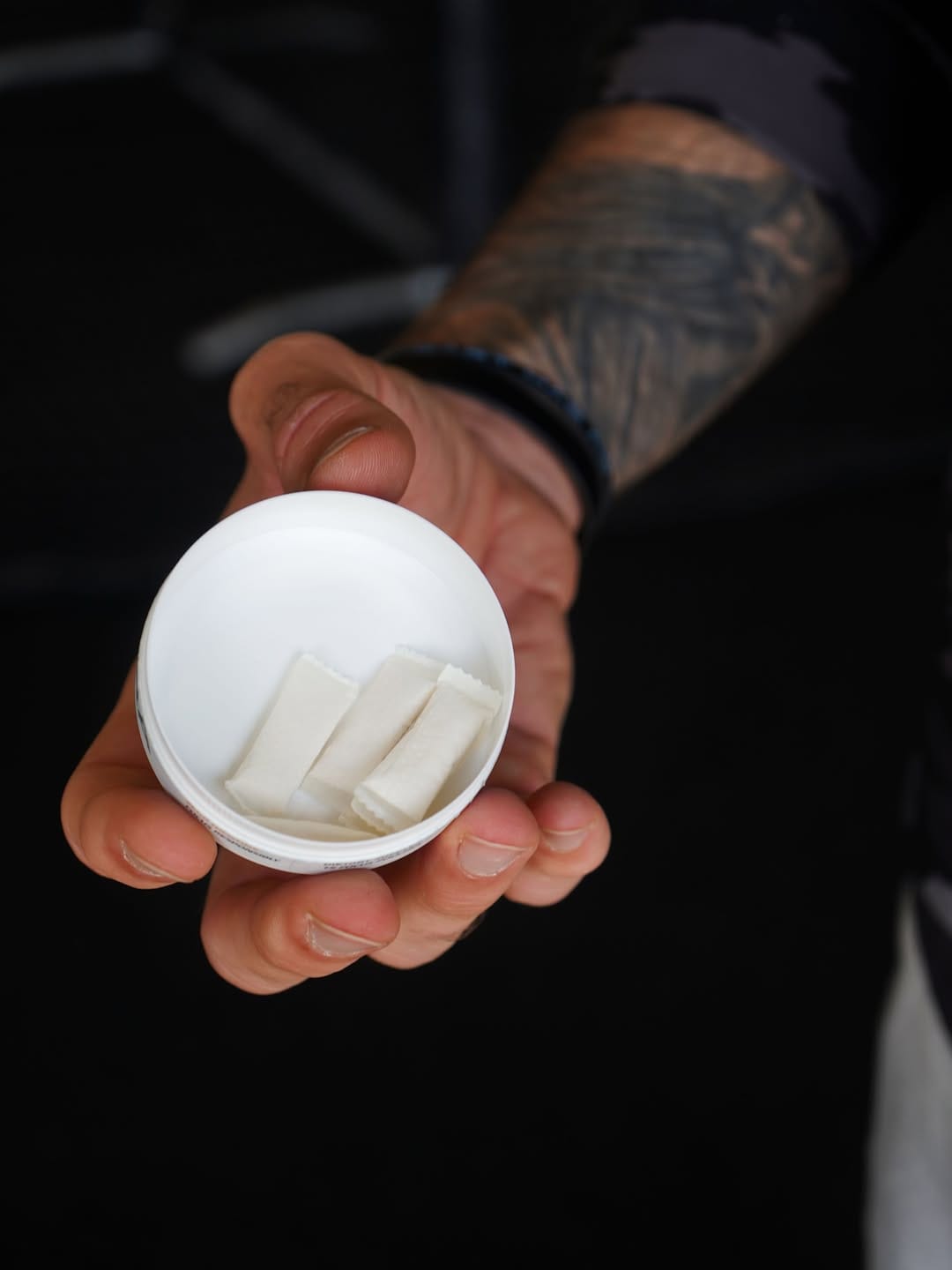
Baseball, however, is also one of the most conservative professional environments when it comes to trust. No product becomes widely adopted unless players believe it’s safe—not just anecdotally, but structurally. Certifications matter. Testing matters. Transparency matters.
If Ultra pursues and obtains NSF certification and continues to clearly demonstrate that its ingredients don’t trigger performance-enhancing substance protocols, the adoption barrier drops significantly. That’s not a marketing challenge—it’s a credibility one. And it’s a solvable one.
I believe Ultra’s product and branding give it a legitimate chance to win in this space. As with any young brand, execution matters—timing, leadership decisions, consistency, and how the brand shows up culturally. Those variables are never fully controllable. But the foundation—the formulation, the look, and how the product fits into real athlete routines—is strong.
How Adoption Actually Happens in Baseball
If adoption happens, it likely won’t be loud. It will start quietly. Minor leaguers using it during long bus rides. Players carrying it during offseason training. Athletes experimenting with it in pregame routines or between sessions. Coaches and trainers noticing the behavior before anyone talks about it publicly. That’s how baseball culture always shifts—slowly, internally, almost invisibly.
Softball may follow even faster. Energy management is just as critical, and the culture around caffeine alternatives is already more flexible. Functional products that don’t require bottles, mixers, or precise timing fit seamlessly into tournament-heavy schedules.
What Comes Next
This isn’t about everyone using nootropic pouches. It’s not about replacing dip overnight. It’s about recognizing a familiar pattern: when a behavior persists long enough, innovation eventually adapts to it rather than trying to eliminate it.
Baseball has always evolved this way. Bats change. Gloves change. Training methods change. Sometimes, the most meaningful shifts don’t happen under stadium lights—but in the small, personal routines players rely on every day.
The dugout has always had a can.
The question isn’t whether that will change.
It’s what will be inside it next.
⸻
Footnote:
Ultra’s pouches contain a small amount of sucralose. As with any ingredient that carries mixed public perception, readers are encouraged to consult peer-reviewed, academic, and evidence-based research to form their own understanding of sucralose and its short- and long-term effects.
Disclosure: The author has a partnership with Ultra. This article reflects personal experience and cultural analysis, not medical or performance claims. Readers interested in exploring Ultra can use code Anthony10 for 10% off.