

ABCA Convention: The Place Where Baseball Business Meets Coaches, Culture, and Opportunity
Why the Game’s Most Important Annual Gathering Matters — and What Chicago 2027 Signals for the Industry
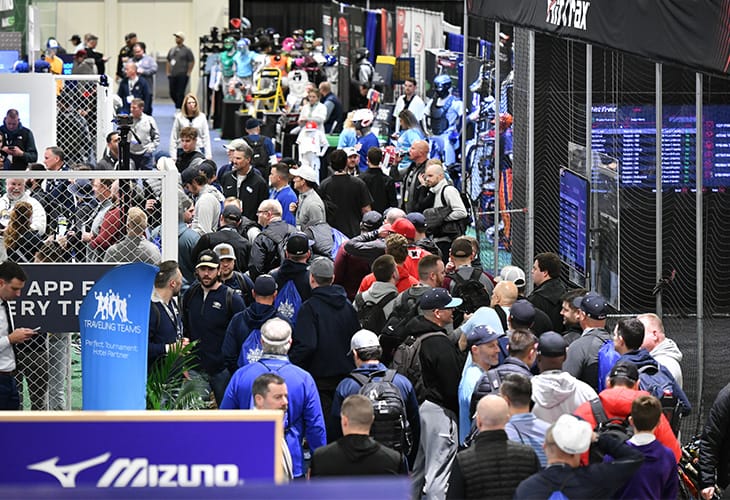
Each January, thousands of coaches, vendors, entrepreneurs, technologists, and baseball lifers converge on a single city for four days of education, networking, and marketplace momentum. For 2026, that city was Columbus, which played host to the ABCA Convention — a gathering that has quietly become the most important annual convening point in the baseball economy.
Now, with the official announcement that the Convention will head to Chicago in 2027, the ripple effects of ABCA are worth examining more closely — not just as a coaching clinic, but as a full-scale economic and business engine for the sport.
More Than a Convention: A Temporary Relocation of the Baseball Economy
At face value, ABCA is a coaching convention. In practice, it functions more like a short-term migration of the baseball and softball economy — bringing decision-makers, builders, sellers, and educators into one physical ecosystem.
In Columbus, that meant:
- Over 10,000 attendees, including coaches from youth through professional levels
- More than 400 exhibiting companies across equipment, analytics, training, recruiting, media, and performance technology
- Four full days of clinics, trade show activity, off-site meetings, dinners, and deal-making
While ABCA does not publicly release a formal economic impact report, the scale of activity allows for a conservative, transparent modeling of what the Convention likely generated for the host city.
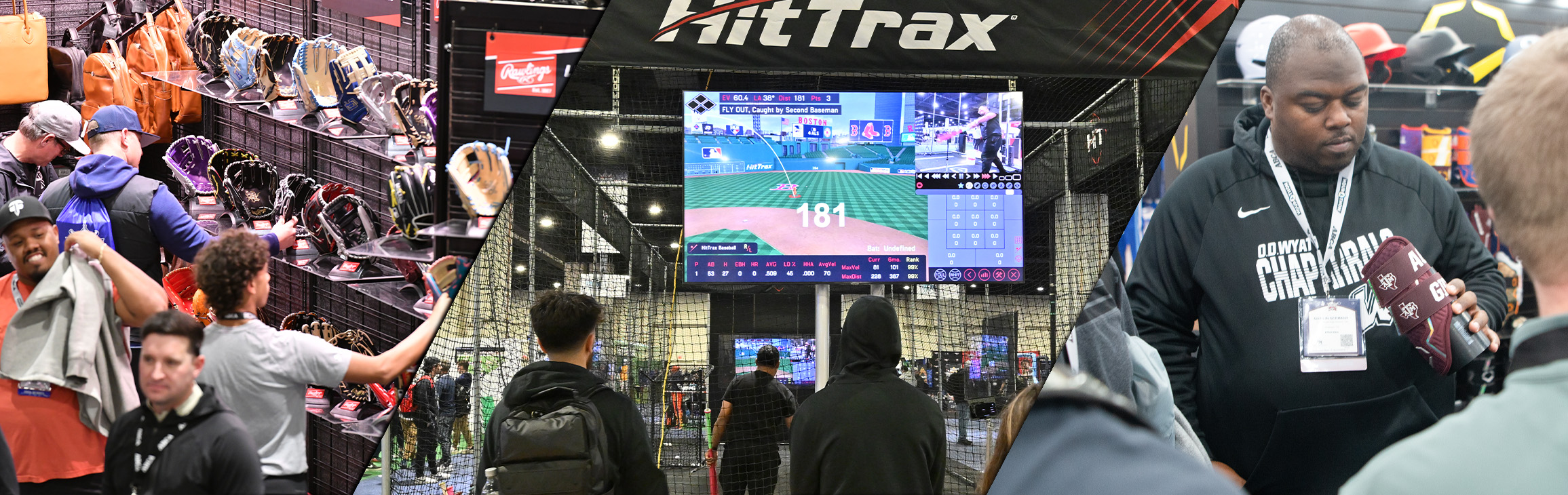
ABCA in Columbus — By the Numbers (Modeled Economic Snapshot)
The following estimates are illustrative, not official figures. They are based on publicly reported attendance totals, standard convention-industry assumptions, and conservative hospitality benchmarks.
Attendance & Stay Assumptions
- Estimated attendees: 10,000
- Average length of stay: 3.5 nights
- Convention duration: 4 days
Lodging Impact
- Average daily hotel rate (ADR): $165
- Estimated total hotel nights:
10,000 × 3.5 = 35,000 room nights
Estimated lodging revenue:
35,000 × $165 = $5.78 million
Food & Beverage Spend
- Average daily F&B spend: $75 per person
- Days in market: 4
Estimated F&B revenue:
10,000 × $75 × 4 = $3.0 million
Local Transportation & Miscellaneous Spend
(rideshare, parking, retail, entertainment, incidentals)
- Estimated daily spend: $30 per person
Estimated local spend:
10,000 × $30 × 4 = $1.2 million
Total Direct Visitor Spend (Conservative Estimate)
Using conservative tax assumptions:
- Hotel tax (~10%): ≈ $578,000
- Sales tax on F&B and retail (~7.5%): ≈ $315,000
Estimated tax revenue generated:
≈ $900,000+, excluding indirect and long-term effects.
For cities like Columbus, this is precisely why winter conventions are significant: they concentrate economic activity during traditionally slower hospitality months.
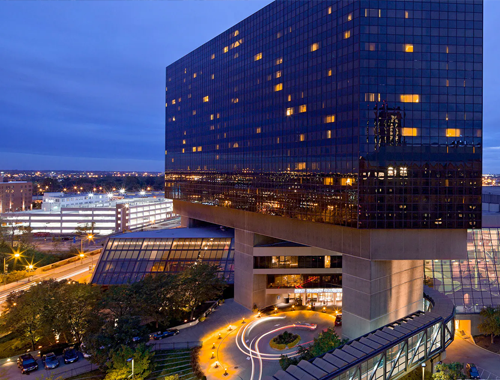
The Event Economy: What ABCA Likely Generates for Itself
Beyond citywide impact, ABCA also sits at the center of its own event-operator economy — primarily through exhibitor and sponsorship revenue.
Again, without internal pricing data, the clean approach is range-based modeling.
Exhibitor Booth / Table Revenue (Modeled)
Assuming 400 exhibitor booths:
- At $100 per booth: $40,000
- At $250 per booth: $100,000
- At $500 per booth: $200,000
However, most large conventions price full booth packages far higher once footprint size, power, internet, placement, and bundled inclusions are factored in:
- At $1,500 average: $600,000
- At $3,000 average: $1.2 million
- At $5,000 average: $2.0 million
Sponsorship Revenue (Scenario Modeling)
- Conservative: 10 sponsors × $10,000 = $100,000
- Moderate: 15 sponsors × $25,000 = $375,000
- Aggressive: 20 sponsors × $50,000 = $1.0 million
Modeled ABCA Event Revenue (Exhibitors + Sponsors)
- Low case: ≈ $140K
- Mid case (more realistic): ≈ $1.0–1.6M
- High case: ≈ $3.0M
These figures exclude attendee registration fees, add-on programming, and long-tail business value created through partnerships formed at the event.
A Stage for Small Business & Baseball Entrepreneurs
What truly sets the ABCA Convention apart isn’t just its size — it’s the cross-section of people in the room:
- Baseball and softball small business owners using the Trade Show to launch products, cultivate partnerships, and get real feedback on their latest gear, platform, or service.
- Former players turned entrepreneurs — from hitting coaches to performance tech founders — reconnecting with coaches, facilities, and league organizers who can turn ideas into lasting contracts.
- Service providers in recruiting, analytics, and performance measurement finding their next strategic partner over coffee in an Expo Theater aisle.
A quick scan of vendor press around ABCA reveals companies using the event to debut new tech, form strategic partnerships, and showcase innovation right at the intersection of coaching and commerce. For example, analytics provider HitTrax chose ABCA to launch its next-generation optical pitching system, directly engaging coaches and facility operators in Columbus.
Another example: sports livestreaming provider HiCast highlighted the Convention as the platform to reach venue owners looking to modernize fan and participant engagement — demonstrating how the ABCA Trade Show floor becomes a launchpad, not a backdrop.
Chicago 2027: Why the Ceiling Just Got Higher
With the Convention moving to Chicago in 2027, the upside expands materially.
Chicago offers:
- Larger hotel inventory and higher attendance capacity
- One of the world’s most accessible airport systems
- A deeper media and sponsorship ecosystem
- Higher per-visitor entertainment and dining spend
- A baseball market with cultural, collegiate, and professional gravity
If Chicago sees even 10–20% attendance growth and modest increases in daily spend, a $12–15M+ direct economic impact becomes realistic — before accounting for the long-term business seeded during the event.
This is exactly why cities pursue conventions like ABCA: they’re not just hosting an event, they’re temporarily becoming a capital hub for an entire industry.
Why Coverage Like This Exists
The ABCA Convention is not just where baseball knowledge is shared — it’s where the business of the game quietly reorganizes itself every year.
Brands understand where baseball business is moving and why events like ABCA are strategic anchors.
Entrepreneurs quantify the network effect of conventions beyond attendance numbers.
Media partners strengthen their value proposition by showing how coverage attracts attention to and from high-impact communities.
And for media platforms like Business of Ball, it’s an opportunity to do more than recap schedules — to explain why these gatherings matter, who they serve, and how value actually moves through the sport.
As ABCA looks ahead to Chicago, the message is clear: this isn’t just the convention to attend — it’s the convention to understand.